Nobody talks about the amazon catfish the way they deserve to be talked about. Hidden beneath murky fast-flowing water, the Amazon basin holds over six million square kilometers of aquatic ecosystem that most people never think about. Thousands of fish species in those waters. The amazon catfish stands apart from all of them.
Tiny parasitic species at one end. 400-pound apex predators swallowing monkeys whole at the other. The amazon catfish species covering that entire range represent evolutionary adaptation working at a level that still surprises researchers who dedicate careers to studying them.
Local folklore built around them for centuries. Extreme anglers traveling across the world specifically to catch them. Aquarium enthusiasts buying them at two inches long without understanding what they’re actually purchasing. The catfish of the amazon deserve better than any of those framings.
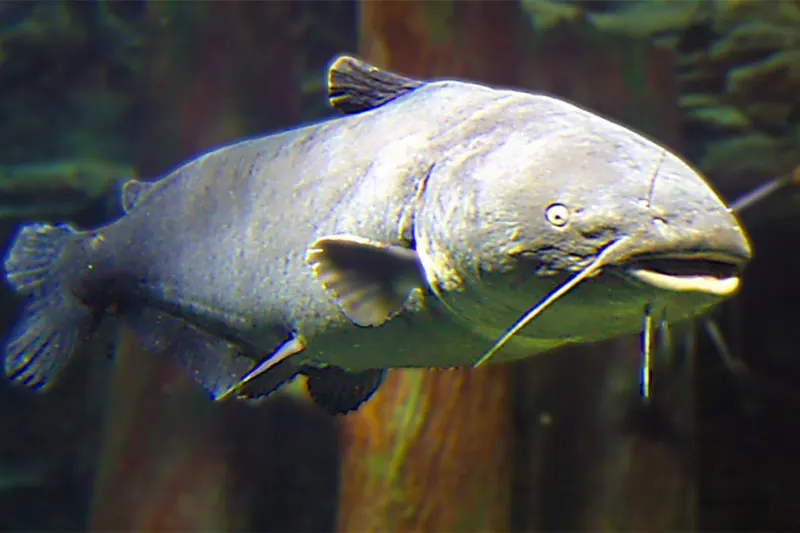
The Epicenter of Biodiversity: Natural Habitat of South American River Fish
Where a fish evolved tells you everything about what it became. The natural habitat of South American river fish is defined by extreme seasonal fluctuations that would kill most aquatic species outright. The Amazon and its tributaries, the Orinoco, the Rio Negro, the Madeira, transform completely twice every year without exception.
Rainy season. Rivers burst their banks. Millions of acres of surrounding rainforest flood entirely. The igapó, the flooded forest, becomes a temporary food-rich environment where catfish swim among ancient tree trunks gorging on fallen fruits, nuts, drowned insects, and smaller fish. The weather of the rainforest drives this entire cycle, rainfall patterns determining when rivers rise and fall and dictating feeding opportunities across every catfish size category in the basin. Dry season returns. Water recedes. Massive fish get forced back into main river channels where competition is fierce and the weakest animals don’t survive.
Adaptability or death. Waters range from highly acidic tannin-stained blackwaters to nutrient-rich sediment-heavy whitewaters. The amazon river catfish evolved powerful sensory organs to navigate, hunt, and thrive in near-zero visibility conditions because there was simply no other option available.
Taxonomy of the Titans: Pimelodidae Family Characteristics
Most famous giant river monsters belong to family Pimelodidae. Long-whiskered catfish. Mastering Amazonian river monster species identification starts with understanding Pimelodidae family characteristics. Four specific traits define the family:
- Extensive Barbels: Maxillary barbels stretching past the entire body length in some species. Highly advanced chemical and tactile sensors detecting electrical impulses and prey movements in pitch-black water. Not decorative. Functional.
- Scaleless Bodies: Thick leathery skin producing a protective slime coat against parasites and infections. No scales anywhere.
- Deeply Forked Tails: Built for explosive speed bursts and sustained swimming in fast-flowing currents. Nothing like the rounded tails of bottom-dwelling pond catfish.
- Massive Mouths: Wide cavernous mouths lined with abrasive sandpaper-like teeth designed for gripping rather than tearing. Large prey goes down whole.
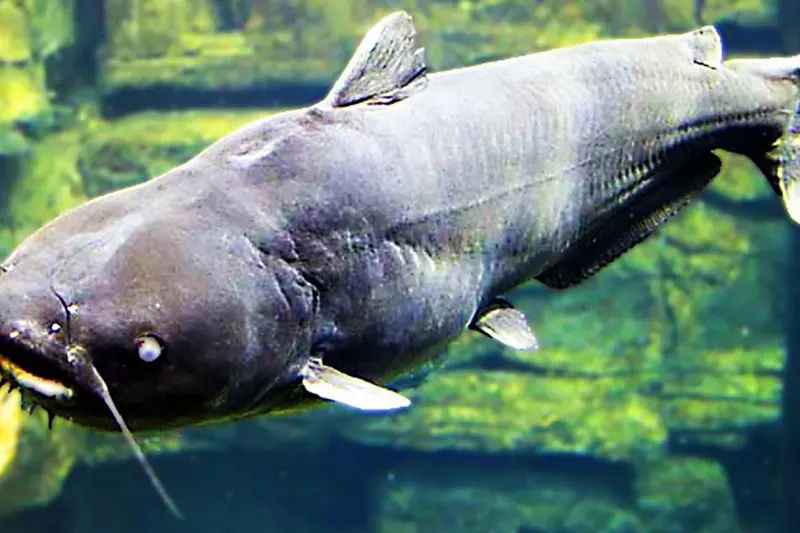
Amazonian River Monster Species Identification
The variety of predatory catfish in South America overwhelms most people trying to learn it. The most iconic giants found in the wild and sometimes controversially in the aquarium trade:
The Redtail Catfish (Phractocephalus hemioliopterus)
Most visually stunning of all Amazonian catfish. Dark grey/brown back, striking white lateral stripe, vivid red-orange fins. Massively broad armored head. Beautiful, voracious, growing at a rate that surprises almost every aquarist who buys one without researching first.
Among the rare animals of the amazon Tambopata region, encountering a Redtail in the wild rather than a tank hits completely differently. Colors against murky river water versus aquarium lighting are two entirely separate experiences.
The Tiger Shovelnose Catfish (Pseudoplatystoma)
Sleek, striped, built like an aquatic missile. Long flattened duck-bill-like snout and distinct tiger-stripe patterning. How big do tiger shovelnose get? Up to 40 inches, just over 3 feet, and over 30 pounds in natural habitat. Speed and aggressive hunting style make them formidable despite being smaller than the true behemoths.
Clash of the Titans: Difference between Jau and Lau-Lau
Two names dominate conversations about the absolute largest amazon catfish species. The difference between Jau and Lau-Lau is distinct in anatomy and habitat preference.
The Lau-Lau, Piraíba, Brachyplatystoma filamentosum. Undisputed heavyweight champion. Over 9 feet long. Up to 400 pounds. Silvery-grey, torpedo-shaped, spectacularly long filaments trailing from dorsal and caudal fins. Active fast-swimming pelagic predator patrolling the mid-to-lower water column of large river channels.
The Jau, Zungaro zungaro. Completely different animal. If the Piraíba is a torpedo the Jau is a sunken boulder. Up to 5 feet, over 200 pounds, massively wide heavily mottled brownish-yellow body. Hunkers down in the deepest most turbulent rapids, using massive bulk to hold position against roaring currents while waiting to ambush whatever tumbles past.
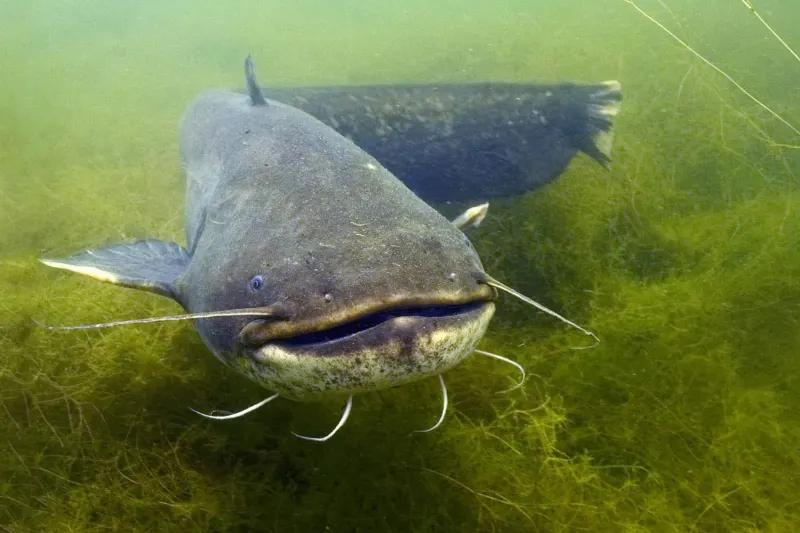
Separating Fact from Fiction: Candiru Parasite Myths and Facts
The infamous vampire catfish needs addressing directly. The Candiru, Vandellia cirrhosa, is a tiny translucent amazon river catfish. Biologically remarkable. Detects water flow expelled from the gills of larger catfish of the amazon, swims up into those gills, uses specialized backward-facing spines to lock in place, feeds on host blood.
The Candiru parasite myths and facts diverge dramatically from Hollywood versions. The famous legend claims the Candiru detects urine in water and actively swims up the human urethra requiring surgical removal. The cultural of indigenous tribes in Peru frames this animal entirely differently. Communities who have lived alongside these rivers for generations treat the Candiru as a known presence managed through practical behavior rather than fear. Their traditional ecological knowledge provides a far more grounded understanding of the fish’s actual behavior than most Western sources offer.
The facts: One documented modern medical case in 1997. Biologists widely agree humans are completely off the Candiru’s radar. The fish tracks water flow and urea from fish gills, not mammalian urine. Any human interaction is an exceptionally rare accidental anomaly. The fear is sensationalized Hollywood folklore with almost no biological basis.
Evolutionary Divergence: Freshwater vs Saltwater Catfish Differences
Why these massive predators stay in jungle rivers rather than venturing into the ocean:
- Osmoregulation: Amazonian catfish kidneys evolved entirely for expelling excess water and retaining salts. Placed in saltwater their cells dehydrate rapidly. Saltwater catfish have specialized salt-excreting glands and highly efficient kidneys for ocean salinity.
- Toxicity: Many smaller freshwater catfish have mildly irritating pectoral spines. Saltwater catfish are notoriously venomous with highly toxic mucus causing excruciating pain to humans.
- Body Dynamics: Saltwater catfish tend to be smaller schooling fish scouring sandy ocean bottoms. Giant Pimelodids evolved massive size due to endless freshwater space and abundance of large river-dwelling prey.
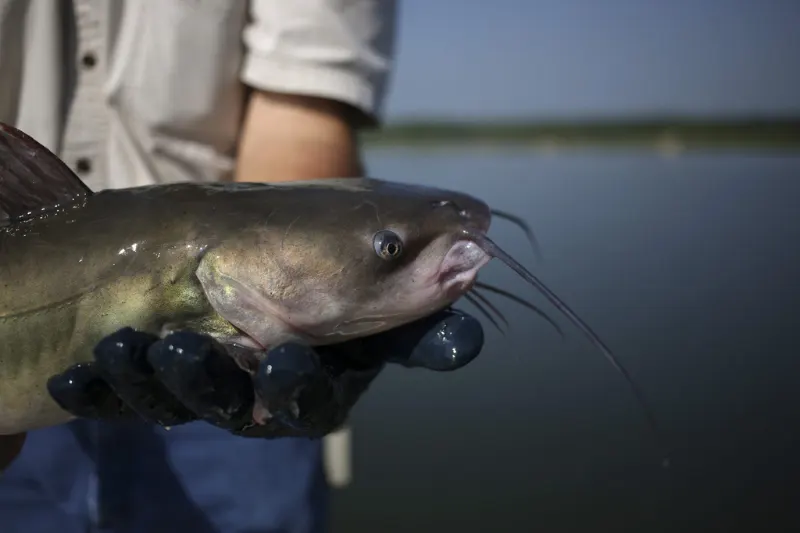
The Aquarium Dilemma: Bringing the Giants Home
Striking juvenile appearances push many Amazonian catfish into the global pet trade. Keeping them usually ends in disaster for unprepared hobbyists.
Sourcing Your Fish: Wild Caught vs Captive Bred Specimens
Origin matters. Captive-bred specimens predominantly produced in massive outdoor aquaculture ponds in Southeast Asia. Often subjected to hormone injections to induce breeding. Captive breeding takes pressure off wild populations but led to unnatural hybrid amazon catfish species, the Redtail-Tiger Shovelnose hybrid among them, frequently suffering genetic defects that shorten lifespan significantly.
Wild-caught specimens imported directly from South America. Contribute to local economies of traditional fishing communities but extraction must be closely monitored. Generally more genetically robust but may arrive with internal parasites requiring immediate quarantine before introduction to any existing tank.
The Ultimate Redtail Care Guide for Beginners
Redtail care guide for beginners is almost an oxymoron. Beginners should never purchase a Redtail Catfish. For those committed anyway:
- Growth Rate: 2 inches at purchase. Approximately one inch per month for the first year.
- Filtration: Massive bioload makes standard canister filters completely insufficient. Customized sump filtration, heavy mechanical filtration, massive biological media capacities. All of it.
- Tank Decor: Bare tank only. Strong enough to shatter glass heaters and move heavy rocks cracking aquarium glass.
Dietary Needs: Phractocephalus Hemioliopterus Feeding Habits
Phractocephalus hemioliopterus feeding habits in the wild run on opportunistic omnivory.
What to feed:
- High-quality sinking carnivore pellets.
- Thawed frozen fish, tilapia, smelt, or whiting.
- Earthworms and nightcrawlers.
- Occasional raw shrimp with shell on for roughage.
What NOT to feed:
- Feeder Goldfish or Minnows: Fatal beginner mistake. Riddled with parasites and contain thiaminase destroying Vitamin B1, leading to fatal neurological issues.
- Mammalian meat: Beef heart or chicken. Fish lack enzymes to properly digest mammalian fats. Fatal fatty liver disease follows eventually.
Space Requirements: Minimum Tank Size for South American Giants
150-gallon or 200-gallon aquariums are temporary grow-out tanks for the first year only. Minimum tank size for South American giants at adult size runs between 1,000 to 2,500 gallons. Standard glass aquariums cannot accommodate them. Keepers build massive indoor heated ponds lined with pond armor or construct custom plywood-and-glass or fiberglass enclosures taking up half a room.
Environment: Ideal Water Temperature for Tropical Bottom Feeders
Non-negotiable for tropical animals:
- Consistently between 76°F and 82°F, 24°C to 28°C.
- pH between 6.0 and 7.5.
- Up to 50% water changes weekly to keep lethal nitrates from accumulating.
Tank Mates: Managing Aggression in Predatory River Species
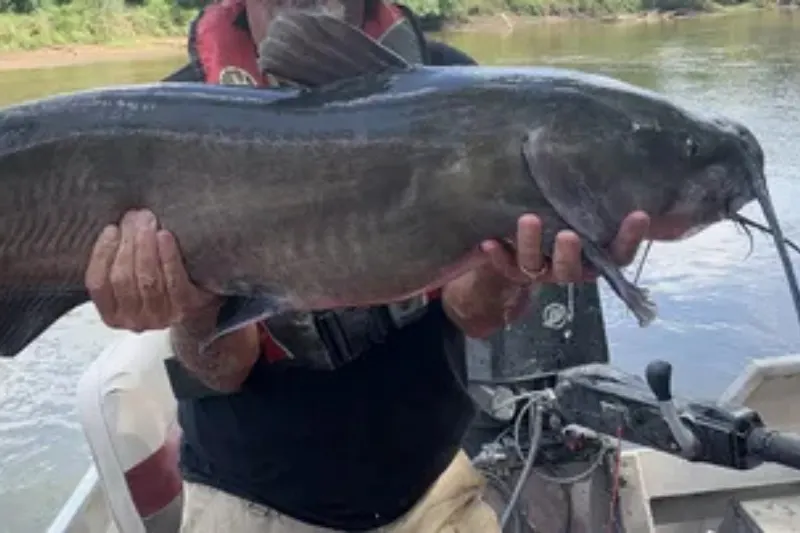
Managing aggression in predatory river species requires one rule understood completely. If it fits in my mouth, it is food. Mouths are incredibly wide. Fish half their own body length disappear down them.
Safe tank mates must be robust, deep-bodied, and large enough to never register as food. Mature Pacu, massive Arowanas, large freshwater stingrays like the Motoro, and armored plecostomus.
Into the Wild: Exploring Tambopata National Park
Leaving river monsters in the wild where they belong. Eco-tourism provides the alternative for people who understand that. Southeastern Peru is one of the greatest frontiers for experiencing pristine Amazonian ecosystems without destroying what makes them worth experiencing.
Tambopata National Park protects over 274,000 hectares of virgin rainforest. The majestic Tambopata River runs through the heart of it. Unlike the heavily trafficked mainstem of the Amazon River, the Tambopata region remains relatively untouched. Waters cut through deep clay banks creating deep pools and submerged tree structures providing the ultimate sanctuary for large aquatic predators that have nowhere left to go in more disturbed systems.
Top animals you’ll find in Tambopata extend far beyond the catfish themselves. Giant river otters working the same channels, caimans patrolling shallow edges, freshwater dolphins surfacing between casts, tapirs drinking at dawn along the clay banks. The plant species of Tambopata add another dimension entirely, riparian vegetation along the river edges providing the fallen fruits and drowned insects that fuel the base of the food chain these giant catfish sit at the top of. That plant diversity explains why fish populations here stay healthy compared to heavily deforested river systems elsewhere in the basin where the food chain collapsed from the bottom up.
The park is globally famous for its macaw clay licks where thousands of brightly colored parrots gather. But what lurks beneath the surface draws serious anglers and biologists specifically. The Tambopata River is a hotspot for massive Zungaro, large Redtails, and tiger shovelnose amazon catfish species. Local indigenous communities and eco-lodges tightly regulate the area. Fish populations remain healthy. Prime destination for witnessing these animals in natural conditions rather than captive ones.
The Thrill of the Catch: Fishing for Jungle Predators
Few experiences rival the brute-force battle of pulling a river monster from jungle depths. Catching an Amazonian catfish is a test of endurance, tackle, and willpower that most fishing experiences don’t come close to. Top amazon adventure tours including giant catfish fishing in Tambopata specifically are worth seeking out over generic Amazon packages. The regulated nature of the reserve means fish populations are genuinely robust enough to make encounters reliable rather than merely hopeful.
Embarking on Giant Piraiba Fishing Expeditions
The Piraíba is the holy grail. Giant Piraiba fishing expeditions are not standard fishing trips. Multi-day grueling adventures into remote river systems in Brazil, Guyana, and Suriname. Standard fishing gear gets destroyed in seconds. Custom extra-heavy boat rods paired with massive conventional reels holding 500 yards of 150 to 200-pound braided line. Heavy steel leaders and massive forged circle hooks, sizes 10/0 to 14/0, to ensure the hook holds without bending under immense pressure.
When a 250-pound Piraíba takes the bait it takes off like a freight train. Fights lasting upwards of two hours. Boat captains pulling up anchor and chasing the fish downriver to prevent the reel from emptying completely.
The Strategy: Best Bait for Catching Jungle Predators
Artificial lures don’t work reliably on apex predators that evolved to trust their sense of smell and taste above everything else. The best bait for catching jungle predators uses what they naturally hunt:
- Cut Bait: Large chunks of oily fish, mature Piranha or Pacu, creating a massive scent trail in fast-flowing water.
- Whole Live/Dead Fish: Whole Matrinxã or medium-sized catfish rigged on a circle hook and dropped into deep turbulent pools mimicking a dead or dying fish tumbling downriver.
- Chicken Hearts and Livers: For smaller species like mid-sized Redtails or shovelnose. Bloody and scent-heavy. Local fish remain the superior option consistently.
The Ethics of Catch and Release
Slow-growing fish that live for decades. A massive 200-pound Piraíba could easily be 30 to 40 years old. Essential tips for wildlife photography apply directly to these fishing encounters too. Keeping the fish in the water as much as possible during photography isn’t just good conservation practice, it produces better images. Natural river environment frames the animal more honestly than a fish held up on a boat deck gasping. Quick composition, fast shutter speed for movement, releasing before stress becomes visible. Images worth keeping while the animal stays healthy enough to reproduce.
Responsible expeditions enforce strict catch-and-release policies. Circle hooks mandatory because they hook safely in the corner of the jaw, preventing fatal gut-hooking. Fish kept in the water as much as possible to protect slime coat and prevent internal organ damage from body weight out of water. Quick photo, swift revival in the current, giant released to keep breeding populations intact.
Conclusion
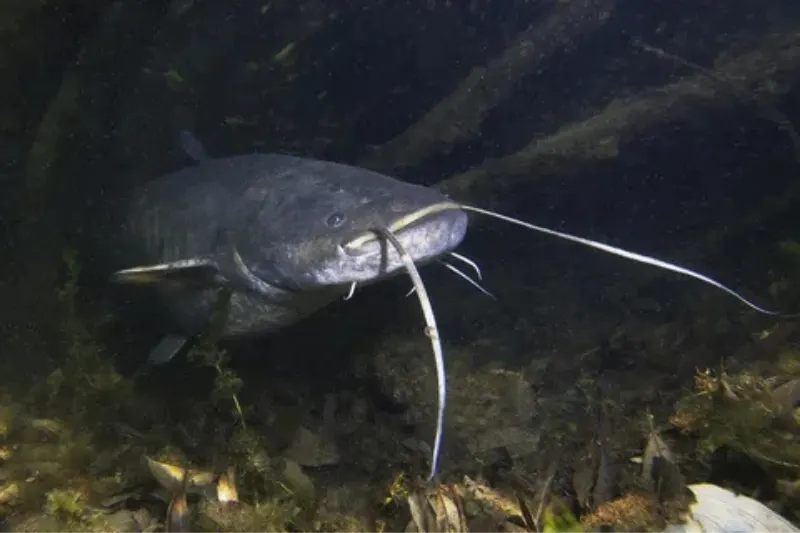
The amazon catfish represents one of the most fascinating evolutionary lineages in the aquatic world. From the stunning vibrant colors of the Redtail to the mythical unparalleled size of the Lau-Lau, these fish command respect from anyone who encounters them whether in a river or a tank.
Juvenile charm tempts aquarium hobbyists constantly. Massive adult size, complex feeding habits, and immense spatial requirements mean keeping them in captivity is best left to highly experienced keepers and public aquariums with the budget and space to do it properly rather than disastrously.
Their true majesty belongs in the dark roaring waters of the Amazon basin. Observing them on an eco-tour down the Tambopata River, feeling the heart-stopping pull on heavy braided line during a fishing expedition, or simply marveling at their biology from afar. The giant catfish of the amazon remain undisputed kings of the jungle rivers. Protecting their vast complex ecosystems ensures these ancient river monsters keep swimming in the depths for generations to come.

