Nobody tells you about the howler monkeys. First morning in the jungle, that sound hits the cabin walls and for a solid few seconds it feels like something is coming through them. Then the guide hands over a coffee and laughs, and that is basically how the whole trip goes.
People put off booking amazon adventure tours because the planning looks complicated from the outside. It really is not. Three things drive everything else: where to base, how to structure the days, and when to go. Get those sorted and the rest follows without much trouble.
The dangerous jungle thing is mostly a film invention. Big predators exist and almost nobody sees them. What people actually remember is the guide spotting a sloth in a tree that fifteen people walked directly under. Or a butterfly that sits on someone’s boot for ten minutes and refuses to leave. That is the real version of this trip.
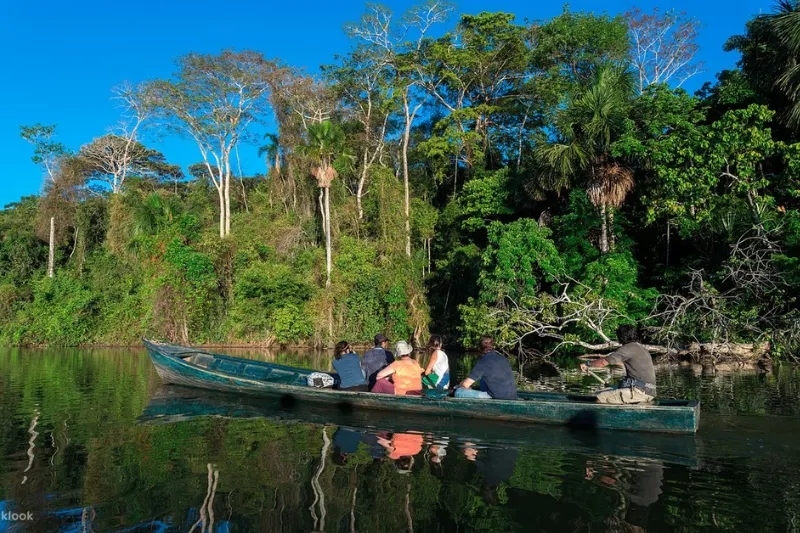
Choosing Your Base for Amazon Adventure Tours
The basin is enormous and trying to see all of it at once is a mistake. Madre de Dios in southeastern Peru is where most travelers land when they want real wildlife access without a week of getting there. Puerto Maldonado has a small airport, flights connect from Lima and Cusco, and from there the lodges are close enough that the day is not already gone by arrival.
Tambopata sits within that region and has the kind of wildlife density that justifies the trip. The infrastructure is solid enough that guides can actually do their job, adjusting plans around river levels and recent animal activity rather than just following a fixed script. For amazon wildlife tours that go beyond the surface level, that local knowledge matters more than any brochure detail.
A fixed base also means less time in boats getting repositioned and more time in the places where things actually happen.
The Great Debate: River-Focused Itineraries vs. Land-Based Jungle Lodges
Lodge-based trips give a room to return to each evening, regular meals, and daily outings that build on each other. Going back to the same trail three mornings running sounds repetitive until the third morning produces something the first two did not. Guides learn the terrain fast and start anticipating rather than just reacting.
River-forward days are a different experience entirely. The boat moves constantly, the scenery shifts, and during higher water there are channels that simply do not exist any other time of year. Amazon river trips structured this way have a looser feel that suits some travelers and exhausts others.
Comparing the two honestly:
- Daily rhythm: Lodge trips mix trail walks, short boat runs, and platform time. River days stay on the water.
- Wildlife: Lodge-based suits ground mammals and forest birds. River days favor aquatic species and riverbank activity.
- Pace: Lodges leave breathing room. River schedules keep moving.
Most people coming through Tambopata end up mixing both, which is probably the right call for a first trip.
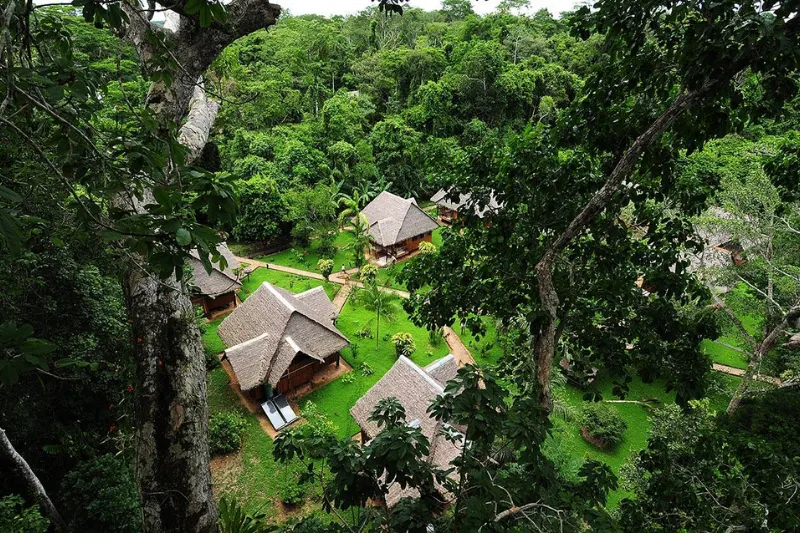
Exploring Tambopata: A Biodiversity Hotspot with Real Adventure
The thing Tambopata gets right is that arrival does not eat the day. Lodges are close enough to the port that there is still time to head out before dark. For amazon jungle tours running four or five days, that first afternoon matters.
Canopy towers are one of those things that seem optional until someone climbs one. The forest runs in vertical layers and the ground floor only shows a fraction of what lives there. Getting above the mid-canopy puts visitors level with birds that never come down, and the view across the treetops at first light is genuinely hard to describe.
Clay licks are something else. Waiting on the riverbank before dawn while hundreds of macaws arrive in overlapping waves is not a quiet experience. The sound builds before the birds are visible. By the time full light hits the mineral cliff, the colors look almost wrong, too saturated to be real. The birds do this every morning. Most people who see it once want to go back the next day.
The Night Shift and River Encounters: Guided Amazon Wildlife Tours
These rivers run dark from tannins and looking into the water is mostly pointless. Amazon wildlife tours on the water are about reading the surface: a ripple pattern, a brief arc above the waterline, a breath spray from a pink dolphin moving through. Guides who know a stretch of river know where those patterns repeat.
The Tour Kayak + Monkey Island combination is one of those back-to-back experiences that works better than either one alone. Paddling quietly to the island means the animals are not already spooked by engine noise before the boat arrives, and the capuchin behavior at close range, the grooming, the food negotiation, the hierarchy, is a different thing entirely from a trail sighting at fifty meters. Worth going in with honest expectations on animals:
- Likely to see: Capuchin monkeys, macaws, sloths, iguanas, tarantulas.
- Unlikely to see: Jaguars, giant river otters.
Night outings are quieter than most people expect. Slow boat, dark bank, guides sweeping lights across the mud looking for the red flash of caiman eyeshine. It is calm and a little eerie and one of the parts of the trip people keep talking about afterward.
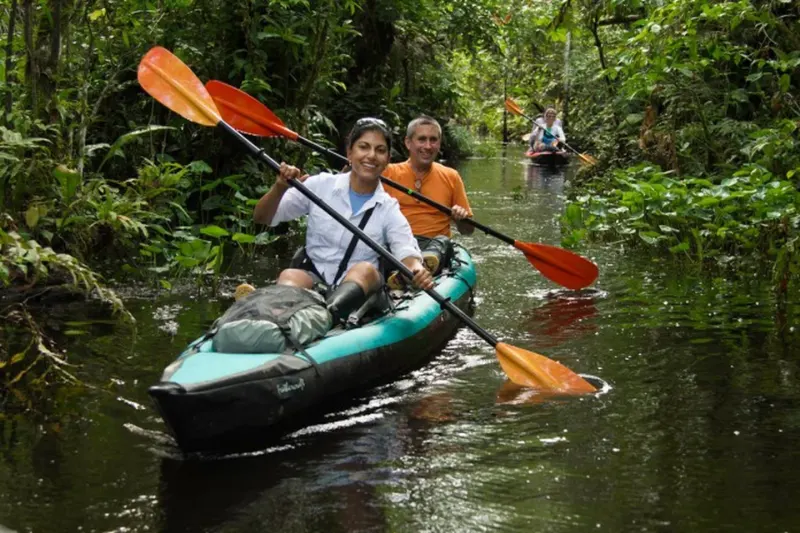
From Piranha Fishing to Tree Climbing: Adventure Activities Decoded
The Tour Piranha Fishing is patient and quiet, not the chaos the films suggest. The guide picks the spot, explains the technique, hands over basic gear. The fish bite fast and sharp, but the whole thing feels more like a lesson in reading water than anything dangerous. Whether the catch goes back or into a pan depends on the operator.
The Tour Kayaking in Madre de Dios River solves a problem motorized boats create without realizing it. Engine noise clears the banks well ahead of arrival, and anything skittish is already gone. A kayak moves quietly enough that turtles stay on logs and birds hold their perches. The river feels completely different at that pace.
The Tour Tree Climbing uses a harness system and is more accessible than it sounds. No special fitness required. The view from the canopy shows the actual architecture of the forest, bromeliads packed into branch forks, orchids at eye level, the layered structure that looks like a solid wall from the ground. It reframes the scale of the whole thing.
Beyond the Activities: Cultural Exchange and Responsible Travel
Tours Culturals are the visits worth doing because they skip the rehearsed welcome. A working garden walk where a local guide explains which plants treat which conditions, which ones reduce fever, which ones keep insects away, and which ones have been used the same way for generations. Watching someone weave palm fiber while explaining where the material comes from. Those exchanges carry more weight than a souvenir market.
Amazon jungle tours that hire locally and direct fees back into the community make a practical case for keeping the forest standing. Operators who are upfront about where money goes and how groups are managed are the ones worth booking.
Trail discipline, wildlife distance, noise control, not buying wild animal products. Simple habits that protect the things that made the trip worth planning.
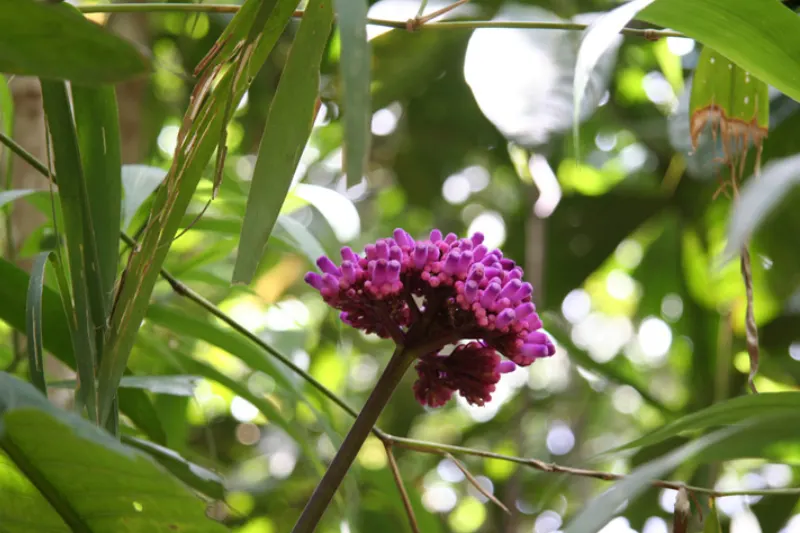
Understanding High Water vs. Low Water Seasons
From December through May, rising water floods the forest floor and opens canoe routes through the trees. Amazon river trips during this period have a quality that is hard to replicate any other time: the boat moving through channels that were trails a few months earlier, branches overhead, wildlife pushed up close to the water’s surface.
From June through November the river drops and the land comes back. Longer hikes become possible, sandy mid-river beaches appear, and conditions suit fishing and caiman spotting along the shallows. Insect pressure can ease slightly compared to the heaviest rain months.
May and June sit between both seasons. Rains are usually easing, some channels still have water, and temperatures occasionally feel less oppressive. Guides who have worked the region for years point to this window often.
Staying Safe in the Rainforest: Health, Preparation, and Myths
The predator risk is overstated and the vegetation risk is underestimated. Looking before grabbing anything on a trail, bark, roots, hanging vines, covers most of the minor incidents that happen in the forest. Stinging ants and irritating sap are far more common than any large animal encounter.
Health preparation is a before-you-go task:
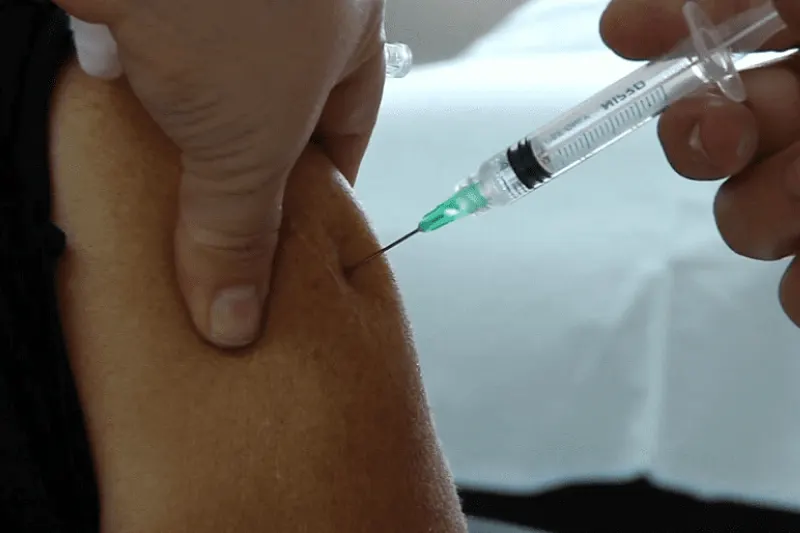
- Vaccinations: Yellow fever requirements vary. Get vaccinated far enough ahead for full protection.
- Malaria prevention: A travel clinic can recommend the right option for the specific region.
- Insect protection: Permethrin-treated clothing plus reliable skin repellent used consistently.
Loose long sleeves treated before packing are more practical in humidity than reapplying repellent all day.
The Damp-Proof Packing List: Essential Gear for Humidity
The air on arrival is thick in a way that immediately explains every packing recommendation. Cotton holds moisture for hours. Synthetic wicking fabrics dry fast enough to wear again the same evening. That difference becomes obvious by the second day.
Humidity damages electronics without a single drop of rain falling. Getting the packing essentials right from the start saves a lot of frustration mid-trip. Things worth bringing:
- Waterproof bags: Passport, cash, camera, batteries.
- Headlamp: Red-light mode causes less wildlife disturbance at night.
- Binoculars: The canopy is far away and worth seeing properly.
- Quick-dry pants: Practical on trails and on boats.
- Wide-brimmed hat: Handles sun and sudden rain equally well.
Good gear turns amazon adventure tours into something enjoyable. The same trip with wrong gear turns into an endurance test nobody signed up for.
Mapping Your Expedition: Final Steps for the First-Timer
A base in Tambopata or Madre de Dios, a mix of lodge time and river days, activities matched to the season, gear suited to humidity. That covers the core of planning amazon adventure tours without overcomplicating it.
Six to nine months out is a reasonable booking window for peak months. Four to five days works well for a first trip. Earlier bookings tend to land better guides and better rooms, which matters more than most people expect.
Responsible habits throughout protect the place that makes these amazon adventure tours worth doing. Most people land home already thinking about going back.
Q&A
How do I choose the best base for amazon adventure tours?
Pick a base that makes the activities reachable without burning the trip on transit. Madre de Dios works well for trail, river, and guided experiences. Tambopata combines high biodiversity with efficient access.
What is the difference between lodge-based amazon jungle tours and river-focused amazon river trips?
Lodge trips use a fixed base with daily excursions, good for building familiarity across multiple days. River-forward itineraries prioritize water travel and open up well during higher water seasons.
What are the best amazon wildlife tours experiences in Tambopata?
Clay lick visits at dawn, canopy tower time, guided night outings for caimans, and responsible wildlife sanctuary stops. Local guides with real terrain knowledge make the biggest difference.
Are the Tour Kayaking in Madre de Dios River, Tour Tree Climbing, and Tour Piranha Fishing safe?
All three are safe with reputable operators. Kayaking routes match conditions and skill level, Tree Climbing uses certified harness systems, Piranha Fishing is calm and technique-focused.
When is the best time to go?
High water from December through May suits canoe travel and flooded forest access. Low water from June through November opens longer hikes and riverbank activity. May and June offer a practical middle ground.

