If “amazon rainforest Peru” has been living on your travel wish list like an open browser tab you never close, let’s make it real: Madre de Dios Peru. This region in southeast Peru is green in a way that feels almost unfair. It’s also busy, steamy, and alive—sometimes all at once. And for most travelers, the main event is the Tambopata National Reserve.
Here’s the thing. Tambopata isn’t only “pretty jungle” It’s a working system with habits and patterns. Macaws show up to clay licks like they’re clocking in. Otters run family squads on oxbow lakes. Ants do logistics better than most teams I’ve worked with. You’ll notice it fast. You’ll also feel it—wonder, nerves, and maybe a tiny bit of “did I seriously pack cotton?”
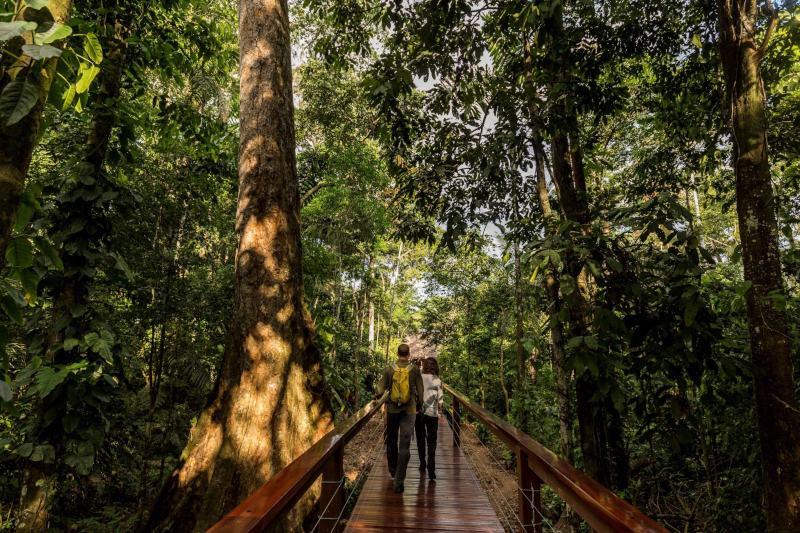
So… what is Madre de Dios, really?
Madre de Dios sits at Peru’s southeastern edge, bordering Brazil and Bolivia. It’s lowland rainforest stitched together by rivers. Those rivers aren’t scenery; they’re the transport network, the supply route, and the daily rhythm.
Most visits run through Puerto Maldonado, the gateway city. From there, you head by boat to lodges along the river. You’ll hear guides casually say Tambopa for Tambopata sometimes—like a nickname that makes the place feel familiar even when it isn’t… yet.
Logistics time
Jungle travel is a lot like managing a project: if your scope is clear and your risks are handled early, the whole thing runs smoother. Not perfect. But smoother.
When to go: dry season, wet season, and the honest middle
May to October is drier. Trails are easier. River levels drop. Wildlife viewing can be steadier because animals cluster around water sources.
November to April is wetter. The forest looks extra vivid and the rivers rise, which can open routes. But rain is part of the deal. If you hate surprise showers, you’ll have feelings about this season.
A lot of travelers land in the shoulder months (around May or October). It’s not a magic hack, but it’s often a good balance of access and atmosphere.
Health notes (quick, practical, not scary)
Check current advice through a travel clinic and sources like the CDC Traveler’s Health pages. Many visitors get a yellow fever vaccine; rules can depend on your route and onward travel. Malaria risk varies by area, so your clinician can help you decide what’s reasonable for your plan.
Also, a tiny work-travel tip: take a photo of your vaccine card and save it offline. It’s the kind of admin task you appreciate later.
Packing: bring comfort, not heroics
You don’t need a “survivalist” kit. You need a smart one. Humidity and rain are the two constant stakeholders on this trip, and they never miss a meeting.
- Light long sleeves + long pants (bugs, sun, scratches—this helps with all three)
- Insect repellent (DEET or picaridin; pick what you’ll actually apply)
- Footwear that dries plus the willingness to wear lodge rubber boots when the trail turns to pudding
- Dry bags or zip bags for phone, passport, and camera (rain shows up uninvited)
- Binoculars (so much action is high up)
- A small power bank (charging can be limited, and you’ll take more photos than you think)
Small tangent, but it matters: download Merlin Bird ID and iNaturalist. Naming what you see makes the forest feel less like a blur and more like a place with characters.
Puerto Maldonado: quick stop, real place
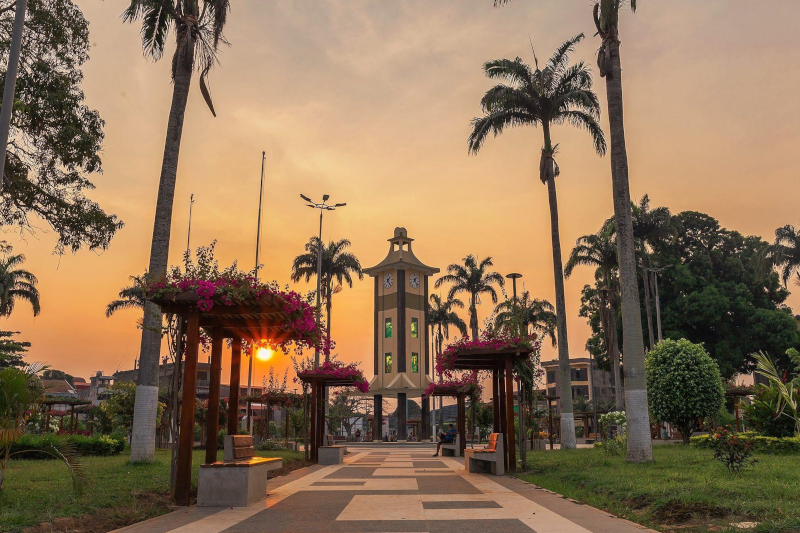
Puerto Maldonado is lively and a little chaotic. Mototaxis weave around like they’ve got a shared group chat. It’s a functional town, not a theme park—and that’s part of the charm.
If you’ve got a few hours, walk through the market and try fruits you may not meet again: aguaje, cocona, copuazú. Grab cash while you’re here (ATMs exist, but “available” and “working” aren’t always the same). Then you head to the river, and the world changes tone.
Tambopata National Reserve: the main event (and yes, it delivers)
Tambopata National Reserve covers a huge area, but your days will feel pleasantly focused: boat rides, short hikes, dawn starts, kayaking and long pauses where your guide listens—really listens—for movement you’d never catch.
Most people visit with a lodge and guide, and that’s not only for safety. It’s for quality. A good guide is your interpreter for the forest—part naturalist, part logistics lead, part storyteller, part “no, that noise is normal.”
Lake Sandoval: calm surface, busy ecosystem
Lake Sandoval is a classic for a reason. You usually travel by boat on the Madre de Dios River, then walk a few kilometers through forest to reach the lake. It’s not hard, but it is humid. That humidity can make a short walk feel like a longer one—mild contradiction, fully true.
Once you’re on the water in a canoe, it’s quiet in a way that feels almost staged. Hoatzins perch like odd little relics. Caimans rest with their eyes above the surface. And if luck shows up, you’ll see giant river otters. They’re playful, sharp, and fast. Watching them hunt is thrilling—and also a reminder that “cute” can come with teeth.
The clay licks: a loud morning you’ll never forget
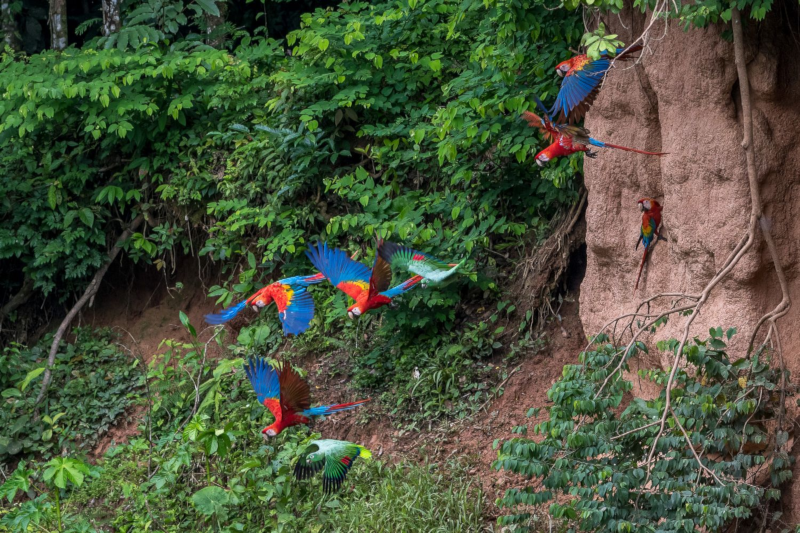
Tambopata is famous for colpas, the clay licks where parrots and macaws gather at dawn to eat mineral-rich clay. The working theory is that the clay helps neutralize toxins from seeds and unripe fruit. The emotional reality is simpler: it’s spectacular.
You’ll wake up early, ride upriver, and wait in a hide. It can feel slow. Then, suddenly, it isn’t. A rush of color. Noise. Movement. If you like photos, bring a zoom lens and patience. If you don’t, bring your eyes and a little time. Either way, you’ll get why people talk about this for years.
Night walks and canopy time (the “small stuff” that steals the show)
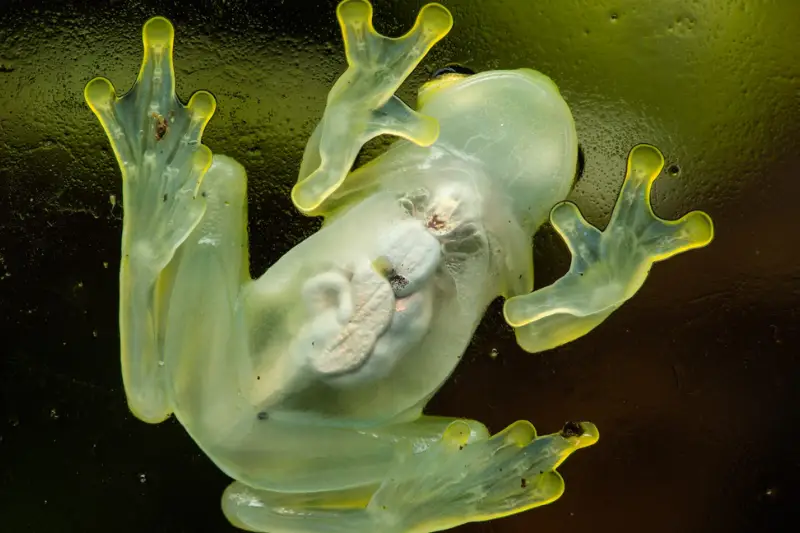
Lots of visitors hope for jaguars. Fair. But Tambopata often wins people over with the smaller cast: leafcutter ants running a tidy supply chain, frogs that look like tiny pieces of jewelry, and spiders that are… present. You’ll cope.
Depending on your lodge, you might do:
- Night walks for insects, frogs, and nocturnal birds
- Canopy towers for sunrise and bird activity
- Sunset river rides when caimans start to show and the light goes honey-colored
It sounds like a checklist, but it doesn’t feel like one. Each activity sets up the next. You start seeing patterns. You start paying attention. And that’s when the forest really opens up.
Tambopata vs. Manu: which one fits your life?
Tambopata can feel deep and wild, yet it’s also one of the more accessible Amazon experiences in Peru. That tension is the point. Accessibility is why you can do it well in 3–5 days.
Tambopata is a great call if you want strong wildlife odds, iconic sites like lake sandoval and clay licks, and a trip that fits cleanly into a Peru itinerary that already includes Cusco.
Manu is for the long-haul mood: more travel time, more remoteness, and a big range of ecosystems (from cloud forest down to lowland rainforest). It can be incredible. It also asks more from your calendar and your energy.
If you’re the kind of person who likes a plan with clear deliverables, Tambopata is often the better “high impact” route. If you like long, messy fieldwork days, Manu may feel like home.
The human side: communities, conservation, and the tough conversations
Madre de Dios isn’t empty wilderness. People live here. Work here. Raise kids here. Tourism is one piece of the local economy, and when it’s done responsibly, it helps keep forests standing.
Eco-lodges (the ones that back up their claims)
Look for lodges that are transparent about staffing, community partnerships, waste handling, and conservation support. Some work with Indigenous communities and hire locally trained guides. That matters. Your spending becomes a vote—quiet, but real.
Indigenous knowledge: not a side note
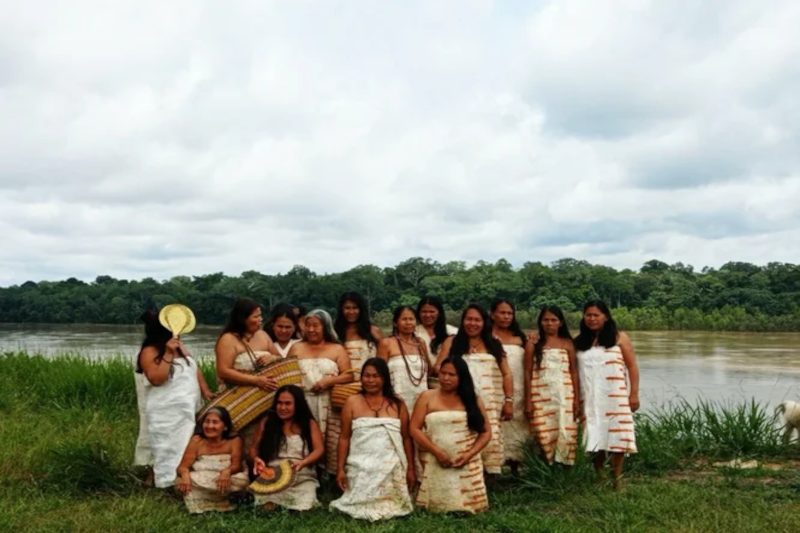
Learning about communities such as the Ese Eja adds depth fast. Through community-led visits, you may hear about plant medicine, river stories, and day-to-day forest knowledge that doesn’t show up in glossy brochures. It also reframes the place: this is home, not a backdrop.
Gold mining: the part that doesn’t photograph well
You may also hear about illegal gold mining in the region, especially around areas like La Pampa. The impacts are serious: deforestation, habitat loss, and mercury contamination. It’s heavy. It should be.
Travel doesn’t “fix” that on its own. But responsible tourism supports jobs that compete with extractive work. It also funds research and protection efforts in very practical ways. Not perfect. Still meaningful.
River time: the Amazon’s original highway
In Madre de Dios, rivers do the heavy lifting. You’ll travel by motorized canoe—often called a peke-peke—and the ride becomes part of the story. Wind on your face. Green walls sliding past. The sense that distance is measured in minutes on water, not miles on a map.
And this is where it often clicks. You’ve been moving fast—flights, hotels, schedules—and now you’re moving at the forest’s pace. Slower. More observant. More present. Is that cheesy? Maybe. Is it true? Also yes.
What you’ll take home (besides damp clothes)
A strong Tambopata trip leaves you with a mix of calm and alertness. You notice birds back home. You look up at trees. You remember, for a while, that life is loud and complex even when you aren’t watching.
So if you’re planning Madre de Dios Peru with Tambopata as the main event, keep it simple: choose a reputable operator, pack for rain and bugs, say yes to a few early mornings, and stay curious. The amazon rainforest Peru rewards curiosity. It also rewards humility. And if you’re lucky—really lucky—it rewards you with otters.

