The first thing you notice in Puerto Maldonado isn’t a landmark. It’s the air. Warm, wet, and a little pushy—like the rainforest is saying, “Hi. You’re in my office now.” And that’s the point. Puerto Maldonado Amazon tours drop you right beside the amazon rainforest, where rivers handle the navigation, birds run the audio, and your day plan gets… flexible.
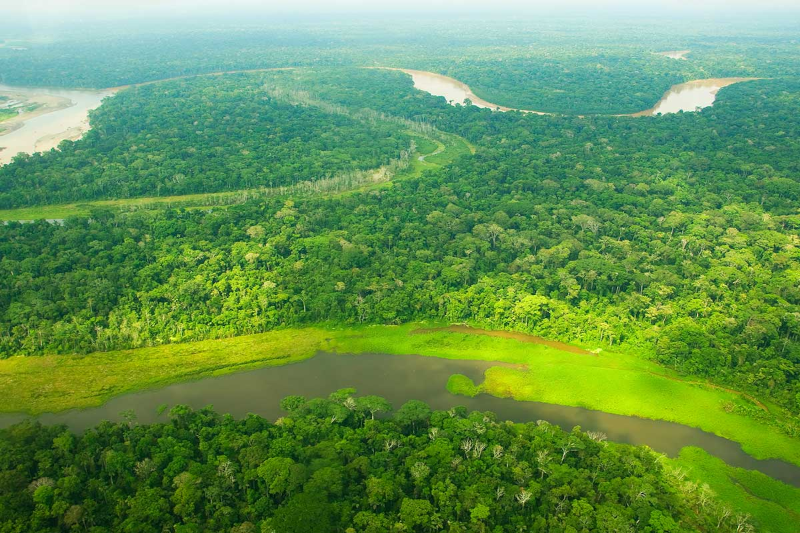
If you’re comparing amazon tours and wondering, “Is this a gentle nature trip or a real jungle story?” The answer is yes. It can feel easy one minute and intense the next. That’s not a warning. It’s the charm. Still, it helps to know what’s realistic, what’s worth paying for, and what details (mosquitoes, mud, humidity) you really shouldn’t glamorize.
A quick roadmap (so you don’t feel lost)
- Why Puerto Maldonado is an easy Amazon gateway
- Tambopata, Lake Sandoval, and the wildlife highlights
- macaw clay lick mornings, amazon night walks, and Caiman spotting
- Where to stay (eco-lodge vs comfort-lodge vs “keep it simple”)
- Timing, packing, and a few low-stress safety notes
So… what are Puerto Maldonado tours really like?
Most tours start in town, then move by boat and trail into protected forest. Expect a mix of river rides, short hikes, and guided wildlife watching. And yes, you’ll get a few “no way” moments that feel scripted—except they aren’t. (The Amazon doesn’t care about your storyline.)
Here’s the thing: a good guide is basically a project manager for nature. They’re tracking rain, river level, animal habits, and group pace—while you’re trying to remember where you put your poncho. It’s a team effort, even if you’re traveling solo.
Puerto Maldonado vs. Iquitos: the classic fork in the road
You’ll hear this debate fast: Puerto Maldonado vs Iquitos rainforest. Iquitos has that big-name Amazon River energy and the “no roads” bragging rights. Puerto Maldonado is usually simpler to plan and quicker to reach—especially if Cusco is already on your itinerary.
The practical difference is sightings per day. Puerto Maldonado has easy access to wildlife-heavy areas—oxbow lakes, clay licks, and protected zones—so many travelers see more, sooner. If time is tight, that matters.
Getting there from Cusco (and why your body will notice)
If you’re coming from Cusco, the shift is almost funny. One day: dry air and altitude. Next day: you’re sweating while standing still. When people ask how to get to Puerto Maldonado from Cusco, the clean answer is: fly. It’s quick, and it saves a lot of transit time.
There’s also the road route (often overnight). It can be scenic and cheaper, but it’s long. If you take the bus, build in recovery time. Your “energy budget” is real, and the jungle spends it fast.
Tambopata National Reserve: the headline act
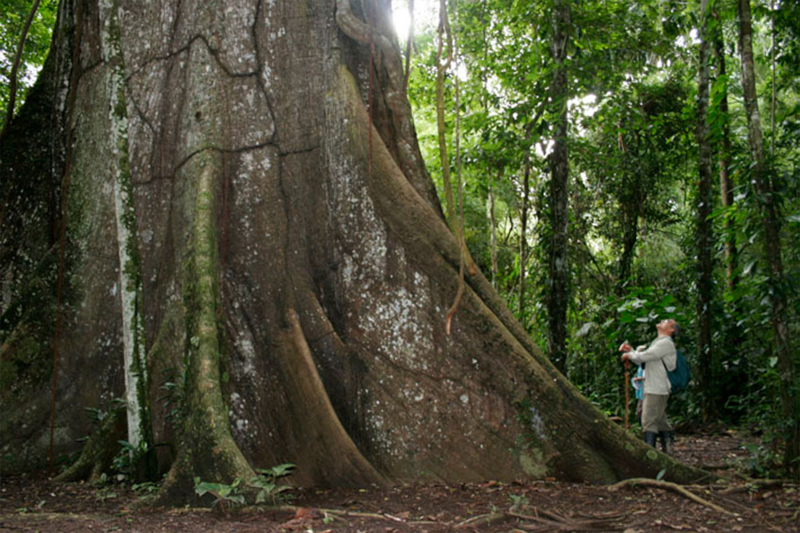
Many Puerto Maldonado Amazon tours focus on the Tambopata National Reserve and nearby protected areas. People will mention “biodiversity” like it’s a sales pitch. In plain terms: this place is busy. Calls overhead. Footsteps in leaves. A splash that might be a fish… or not.
Small side note that pays off: if you like birds even a little, download eBird before you go. It turns “I saw a weird toucan-looking thing” into “I saw a chestnut-eared aracari,” which is a nicer souvenir than a blurry photo.
Lake Sandoval: slow travel, big payoff
Lake Sandoval rewards patience. You’ll usually ride down the Madre de Dios River, then walk through forest to reach the lake. After that, it gets quiet—often by canoe or kayak. No engines. Less noise. Better chances to see animals acting normal.
If you’re lucky, you’ll spot giant river otters. If you’re very lucky, you’ll watch a group hunt, play, and chatter like they own the shoreline. Either way, the lake has a calm, movie-scene feel.
Macaw clay lick mornings (loud, messy, unforgettable)
A macaw clay lick is a mineral-rich riverbank where parrots and macaws gather to eat clay. Early morning can feel like a live show. Birds arrive in waves, then argue, pose, spook each other, settle down, and repeat. It’s chaos with feathers.
If you’ve ever wondered how guides “find” wildlife, clay licks are part of the answer. They’re a reliable meet-up spot, so macaw clay lick tours are popular for a reason.
The canopy walkway: the rainforest’s top floor
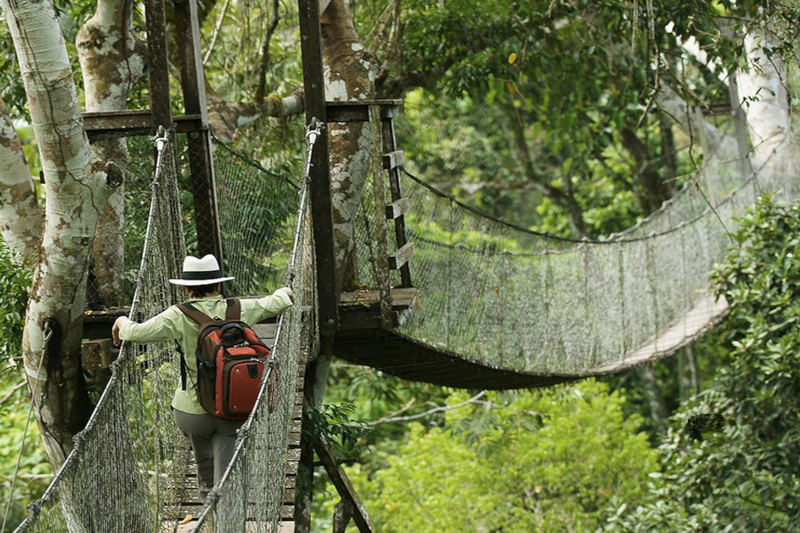
On the forest floor, you mostly see trunks and shadows. Up high, you see the working level—flowers, fruit, birds, monkeys, and more light. A canopy walkway gets you there without climbing skills or a heroic personality.
If heights make you uneasy, tell your guide. That’s normal. It usually gets easier after the first few steps, once your brain accepts the walkway is built for humans, not movie stunts.
And then it gets dark (which is when the jungle gets interesting)
Night is when Puerto Maldonado starts to feel… alive in a different way. You’ll hear things you can’t name. You’ll see eyeshine in places you swear were empty five seconds ago. amazon night walks are part nature lesson, part sensory workout, part “wait—what was that?”
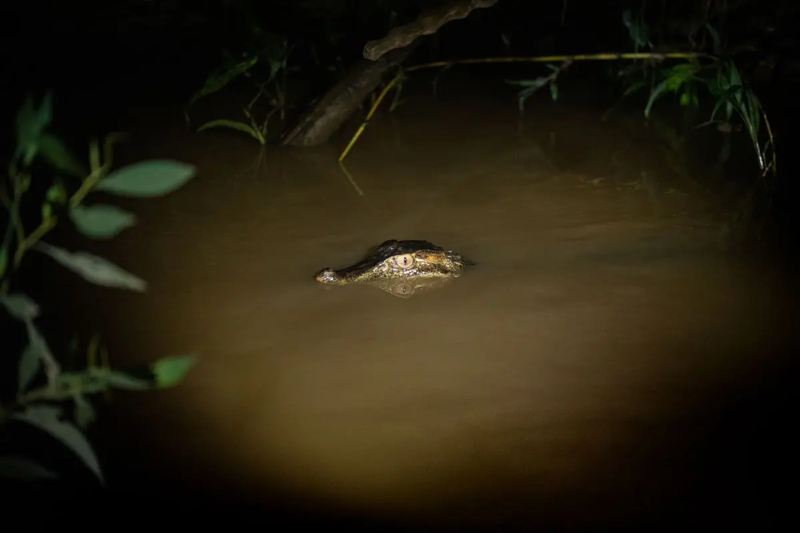
On the water, Caiman spotting is the classic move. Guides sweep lights along the bank and—suddenly—two red dots. Just sitting there. Watching. It sounds spooky, but it’s usually calm and controlled. Still, your heart might do a little drumroll. Fair.
Where you’ll sleep: comfort, simplicity, and everything between
You can stay in basic lodges, comfy lodges, or high-end properties that feel surprisingly polished for the middle of the rainforest. The real question isn’t “good vs bad.” It’s: how much comfort do you want after hours outside?
If impact matters to you (and it’s fine if it does), look for sustainable eco-lodges in Madre de Dios with clear policies on local hiring, waste, and conservation support. Ask what community projects they fund. If the answer is foggy, that tells you something.
Another quick tangent, because it’s real: the Madre de Dios region has faced pressure from illegal gold mining. Responsible tourism doesn’t solve everything, but it can steer money toward conservation and community jobs. It’s not perfect. It’s still worth thinking about.
When to go: dry season, wet season, and a few curveballs
The Amazon runs on a wet/dry cycle, and both can work. Dry season (often May to October) usually brings firmer trails, fewer mosquitoes, and easier wildlife viewing in some spots. Many people call it the best time to visit Tambopata National Reserve, and it’s a solid choice if you want simpler logistics.
Wet season (often November to April) can mean more mud and more rain—no sugarcoating that. But it can also mean a greener forest, higher water for deeper boat routes, and a different mood. So yes, a mild contradiction: wet season can be harder and still be worth it.
Also watch for friajes, those odd cold fronts that sometimes roll in. Suddenly you’re in the Amazon and wishing you had a light fleece. It happens.
The unglamorous prep that makes the trip smoother
Let me explain the boring part that saves trips: basic risk management. Check CDC guidance (or your country’s equivalent) and talk with a travel clinic about vaccines and malaria prevention. Risk levels can vary by route and season, so personal advice beats internet guesses.
On packing, you don’t need a suitcase full of gear… but you do need the right few things. A simple jungle packing list for Peru keeps you from spending your trip damp and irritated.
- Bug repellent that works: DEET or picaridin (Sawyer is a common pick)
- Long sleeves and pants: light fabric, not heavy “safari costume” stuff
- Dry bags: for your phone, passport, and anything you’d hate to soak
- Footwear plan: many lodges provide rubber boots; bring comfy camp shoes
- Rain layer: a poncho often feels better than a jacket in humidity
Photos, memories, and the reality of humidity
If you’re bringing a camera, humidity is the silent boss. It fogs lenses, softens electronics, and tests your patience. Pack silica gel packets. Keep a small cloth handy. And don’t move gear straight from air-conditioning into jungle heat—give it a minute to adjust.
Phone photos can be great on the river. For wildlife, though, a zoom lens helps. No shame in that. The rainforest doesn’t hand out close-ups on demand.
One last thought before you go
Puerto Maldonado can feel intense, even when you’re comfortable. The sounds don’t stop. The air is heavy. You’ll get tired earlier than you expect. And then you’ll see macaws cutting across the morning sky, or you’ll glide over dark water at night, and you’ll think: “Yep. This is why I came.”
If you want the Amazon with strong odds of big moments—clay licks, oxbow lakes, night wildlife, and real protected forest—Puerto Maldonado delivers. Bring curiosity, a little patience, and a decent sense of humor about mud. You’ll be fine.

