A quick outline (so you can see where this is going)
- Context: Where Infierno is and why people talk about it.
- Culture and language: What “Ese Eja” identity looks like day to day.
- Land and risk: What threatens the territory (and why it’s not just “an environmental issue”).
- The business model: Community-led ecotourism and the Posada Amazonas partnership.
- What to learn: Practical takeaways for conservation, travel, and ESG-minded work.
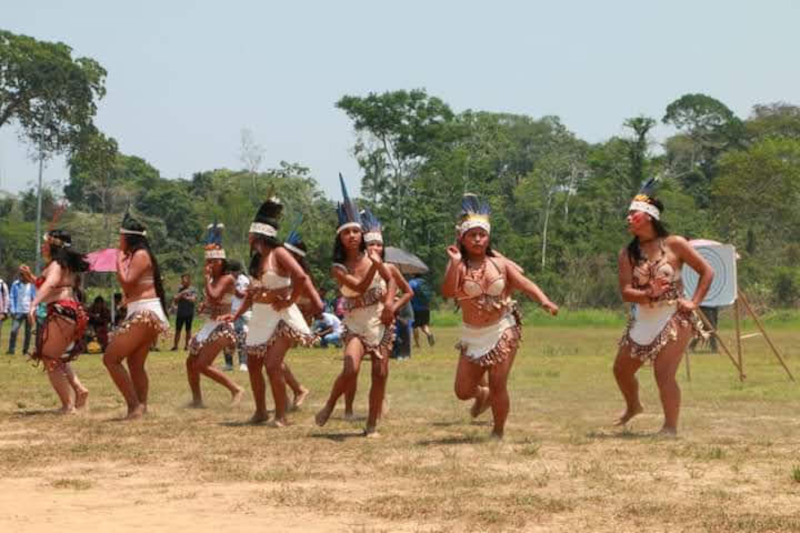
If you’ve ever tried to explain “sustainability” in a meeting without making people’s eyes glaze over, the Comunidad Nativa Ese Eja de Infierno gives you a real, grounded story to point to. It’s not theory. It’s a community nestled along the banks of the Tambopata River in the Madre de Dios region of Peru, near to the city of Puerto Maldonado, within a terrain that is mythical to everyone on the planet: the Amazon.
And yet, the daily reality is pretty normal in its own way. People raise kids, argue about priorities, manage scarce funds, and make decisions that have consequences. Big ones. You know what? That’s what makes this community so interesting—not the “exotic” angle, but the governance and grit.
So… who are the Ese Eja, really?
The Ese Eja (sometimes written Ese’Eja) is an indigenous group of people living in the Amazon area in Peru and Bolivia. Many Ese Eja families inhabit riverbanks in Peru such as riverbanks with connections to the Tambopata. They don’t buy a costume to show visitors, they’re evident in relationships, stories, food, work and a profound sense of place.
A lot of outsiders try to summarize Indigenous cultures with one neat label—hunter, farmer, artisan, “forest guardian.” The reality is fuzzier (and more human). Most households have multiple activities such as small scale farming, fishing, wage employment takes place when available, craft production, community involvement as well as tourism work in communities such as Infierno.
The Ese Eja language: a small detail that’s actually huge
Until the time comes when language seems “nice-to-have”, but then starts to disappear. Ecological knowledge and memory and social memory in the Ese Eja language – knowing what plants do, where animals go, which stories are where in the river. As a language loses its vitality, so do the categories and the observations of its vocabulary.
On this, one thing is worth repeating to the professionals: cultural continuity is not an “easy to score” continuous indicator. It’s infrastructure. Lose it, and everything else—education, health, land stewardship—gets harder to coordinate.
Life in Infierno: community decisions, not just “tradition”
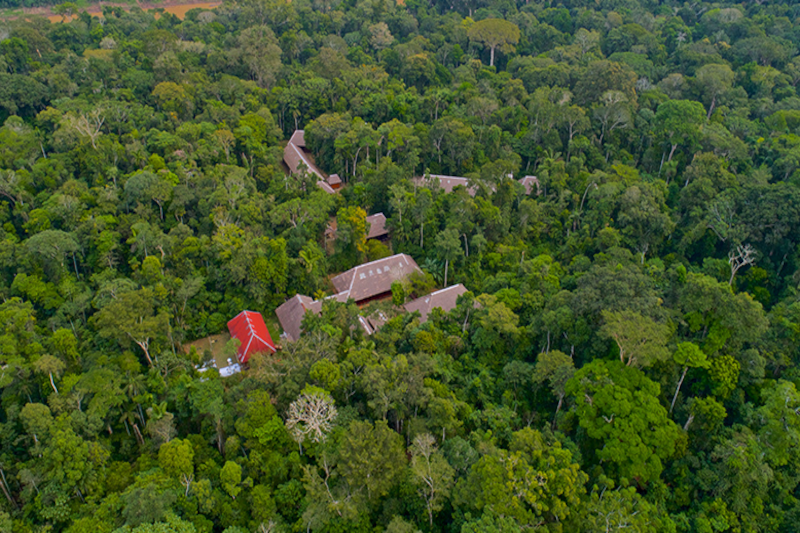
Here’s the thing: community life runs on decisions. Who speaks for the community? How are disputes handled? How is income shared? These aren’t romantic questions; they’re operational ones.
Assemblies and positions are filled with elected leaders that address and regulate collective issues and external relationships in many communities throughout the area. The pattern is one that is known to many in the fields of project management or the engagement of stakeholders: discussion, agenda, compromises, recap, and the standby “you last time, remember?” expression.
Day to day, you’ll also see skills that rarely get called “professional,” even though they are:
- Local health knowledge: Practical use of medicinal plants and lived experience with the forest.
- Resource management: Taking what’s needed, watching seasonal cycles, and avoiding waste.
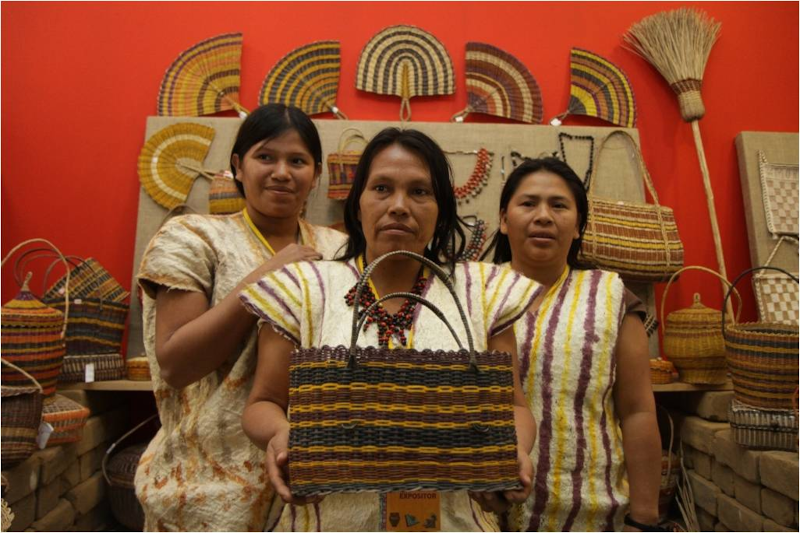
- Craft and material skill: Basketry and weaving that translate forest materials into durable goods and income.
And yes, people also want the basics: stable schooling, safer water, and a future where young adults don’t have to choose between staying and thriving.
Let’s talk risk: mining, mercury, and the hard stuff
If someone mentions “the Amazon is under pressure” it’s not a metaphor: It’s real. Gold mining (sometimes illegal) is one main cause in Madre de Dios, leading to deforestation, river damage and mercury contamination. The latter, the stealthy bad guy, is capable of being transferred with water and food webs and poses a health threat over time.
This is where the conversation shifts from wildlife documentaries to risk management. If you’re in ESG, compliance, or supply chain work, you’ll recognize the basic problem: upstream harm, downstream costs, and a lot of finger-pointing. Who’s responsible? Who pays? Who gets listened to?
Communities respond in a mix of ways: local monitoring, reporting, partnerships with NGOs or researchers, and political advocacy. None of it is perfect. But it’s action—often under real pressure.
Ecotourism at Posada Amazonas: a business partnership, not a charity project
Infierno is widely known for its strong community-based conservation efforts and its long-standing approach to sustainable development in the Amazon. If you’ve ever worked on a project where local participation shaped decision-making, you’ll immediately understand why this matters: structure decides outcomes.
At a basic level, the idea is simple: visitors pay to experience the forest and learn from local guides; revenue supports jobs and community priorities; the forest becomes more valuable standing than cleared. Simple, yes. Easy? Not always.
Tourism can be unstable—pandemics proved that fast. It can also distort incentives if it’s handled poorly. But when it’s community-led and transparent, it can create real benefits: salaries, training, and funds for education or health needs. It also turns “conservation” from a slogan into a budget line.
A small digression: why professionals keep circling back to places like Tambopata
You might wonder why a community in Tambopata keeps showing up in conversations far from Peru—boardrooms, universities, even product teams. Part of it is climate anxiety, sure. But there’s also a practical reason: nature-related risk is starting to look like business risk.
Whether you’re reading about biodiversity disclosure frameworks, carbon markets, or corporate due diligence laws, the trend line is the same: pressure is moving from “nice story” to “show your work.” And communities like the Ese Eja are the ones living with the consequences of how that work gets done.
How to engage responsibly (as a traveler or as an organization)
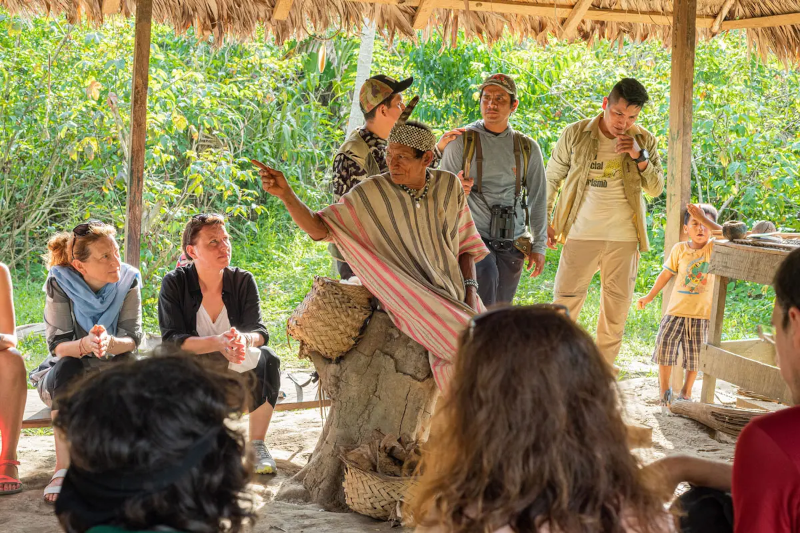
If you do stop by, it is pleasantly unpretentious, species-wise:
- Select community-based choices: Opt for tours and stay in lodges that keep benefits and choices local.
- This is respectful, and avoids providing awkward moments when asking prior to shooting or photographing.
- Purchase when possible.
- Stick to the facts: Cultural exchange is not an evaluation!
Whether you are collaborating for research, philanthropy or as a brand, pitch in like a full-fledged collaboration—specify what you’re looking to accomplish, establish agreement from others, offer each other due compensation, and be able to follow up. Personally, it’s not the culture but the inconsistent attitude of the outsider.
What the Ese Eja community of Infierno quietly proves
Infierno challenges a common myth: that tradition and modern work can’t coexist. They can. It’s not seamless, and sometimes it’s tense, but coexistence is real.
It also flips the usual script. The question isn’t “Can Indigenous communities adapt?” The real question is, can all of us change our paradigms in tourism, mining, publications, and philanthropy so that they don’t incur costs and risks upon those least equipped to bear them?
If you care about outcome, not buzzwords, then the answer is obvious: There must be land security, real decision making power, and income channels that don’t necessitating the disappearance of the forest. That’s the work. The rest is commentary.

