Suri is one of the most memorable foods associated with the Peruvian Amazon: a plump edible larva usually grilled, fried, or skewered over fire. For curious travelers and food lovers, it offers a direct taste of Amazonian ingredients, cooking traditions, and bold Peruvian flavors that go far beyond ceviche and lomo saltado. Exploring Suri Peruvian Food for the first time involves texture and context just as much as flavor.
What is suri larva?
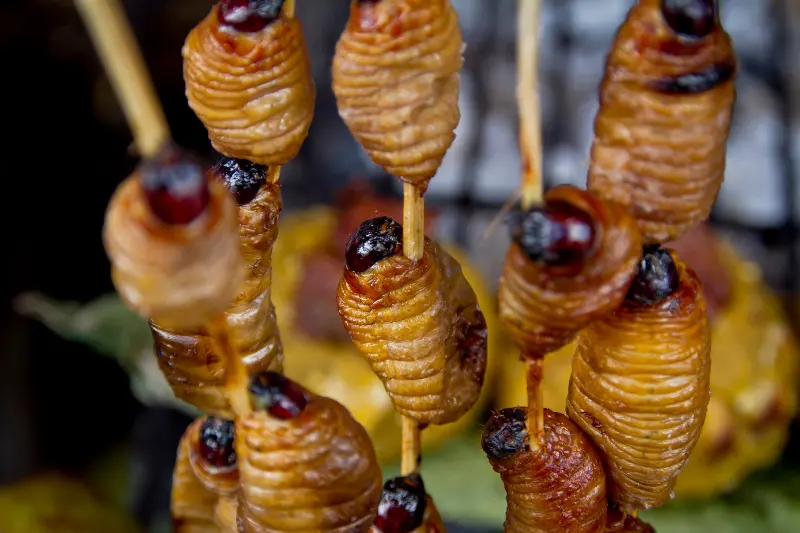
Suri larva is an edible Amazonian grub commonly linked to palm trees, especially in rainforest areas where local communities have long used forest ingredients as part of daily cooking. In Peru, suri is often sold in markets or prepared in small food stalls, particularly in Amazonian regions where it is familiar rather than exotic. Its connection to palms links it closely to the surrounding ecosystem, something explored further in A Guide to the Incredible Plant Species of Tambopata Rainforest.
The larva earns its reputation because it is rich, fatty, and satisfying. Its appearance can surprise first-time eaters: it looks pale, thick, and soft before cooking, with a rounded body that differs a lot from the ingredients many visitors expect to find in peruvian dishes. Cooking changes that impression. Heat firms the exterior, brings out the natural oils, and adds a roasted aroma.
For many people, suri goes beyond a novelty snack. It belongs to a broader food culture shaped by the rainforest, where palm fruits, river fish, plantains, yuca, chili peppers, and herbs create flavors that feel earthy, smoky, fresh, and deeply local.
How does suri taste?
Suri tastes rich, buttery, and slightly nutty. Its soft interior can remind some eaters of roasted marrow, creamy seafood, or crisped pork fat, depending on preparation. The flavor usually turns out milder than its appearance suggests, especially when grilled with salt, lime, or chili.
Texture brings the bigger surprise. A grilled suri larva may have a lightly crisp skin and a warm, creamy center. Fried suri turns firmer and more snack-like. Skewered suri cooked over charcoal picks up a smoky edge. The first bite is often the hardest part, but many travelers find the taste easier than expected once they move past the visual challenge.
Seasoning also shapes the experience heavily. Amazonian cooks sometimes keep it simple to let the natural richness come through. Other times, they pair it with bright, spicy, acidic elements that balance the fat. That contrast helps explain why suri fits so well within peruvian flavors: bold ingredients often work best with restraint, letting freshness, smoke, heat, and texture stand out together.
The role of suri in Amazonian Peruvian food
People often introduce Peruvian cuisine through coastal and Andean classics, but the Amazon carries its own identity. Suri Peruvian Food belongs to this rainforest tradition, where ingredients come from rivers, forests, farms, and local markets rather than the sea or high mountains.
In Amazonian cooking, practicality matters. Ingredients are cooked over open flames, wrapped in leaves, boiled with yuca, or served with plantains and regional sauces. Suri fits naturally into that pattern because it can be prepared quickly and eaten as a snack, market bite, or rustic dish. The same forest that supplies suri is also home to the creatures documented in Top Animals You’ll Find in the Tambopata Amazon Rainforest, part of the same interconnected ecosystem that shapes local food traditions.
It also shows how diverse peruvian dishes can be. A traveler may know causa, anticuchos, ají de gallina, or arroz chaufa, then discover that Amazonian food follows a different rhythm. It feels more direct, more earthy, and strongly connected to place. Suri stands out as one of the clearest examples of that connection.
Common ways to eat suri
Cooks usually serve suri simply, which helps first-time eaters understand its natural character. Preparation can vary by region, cook, and setting, but these approaches show up often:
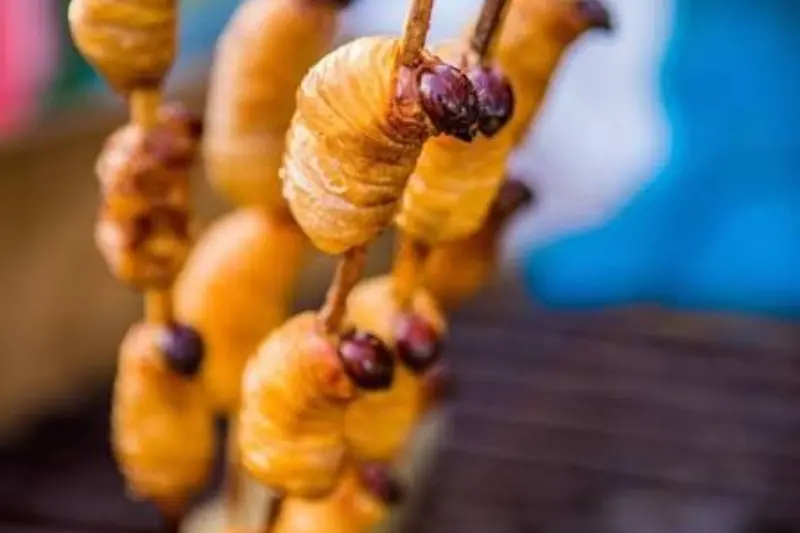
- Grilled on skewers: This is one of the most approachable styles. The fire crisps the outside while the center stays creamy, and the smoke adds depth.
- Fried until golden: Frying makes the texture firmer and can feel more familiar to people who enjoy crisp snacks or rich fried foods.
- Seasoned with salt and lime: A little acidity cuts through the fattiness and makes the flavor feel cleaner.
- Served with chili or Amazonian sauces: Spicy condiments add brightness and help balance the richness.
- Paired with yuca or plantain: Starchy sides make the dish more filling and soften the intensity of the first bite.
For anyone hesitant, grilled suri offers the best place to start. It carries a more familiar roasted character, and the smoky aroma can make the experience feel closer to barbecue than to eating an insect.
Why do travelers find it challenging?
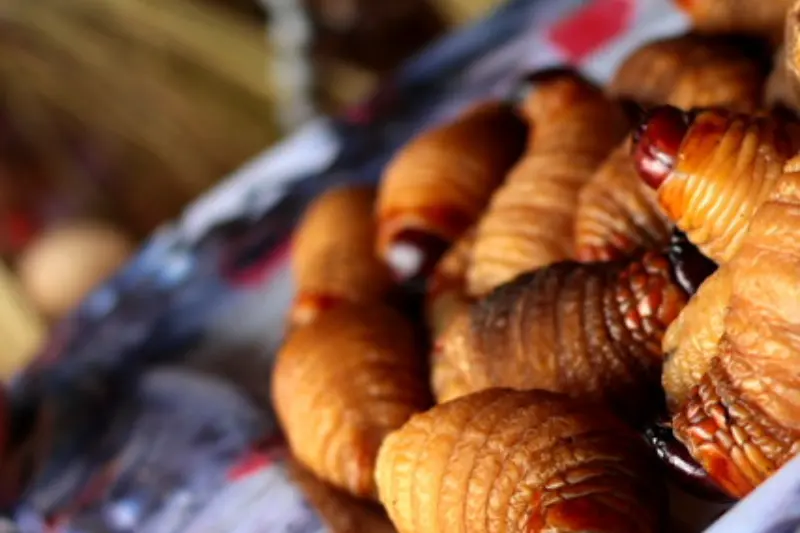
Travelers often find suri challenging because the appearance sets up expectations before the flavor gets a chance to speak. Many people happily eat shrimp, oysters, or sausages, yet hesitate when a food looks unfamiliar. With suri, that hesitation makes sense.
The key lies in approaching it as a cultural food rather than a dare. Suri is not eaten only for shock value. It is part of local knowledge, regional taste, and a practical relationship with available ingredients. When treated with respect, the experience becomes less about bravery and more about understanding how food traditions develop, much like the patience required to observe Rare Animals of the Amazon Tambopata Wildlife Guide describes for tracking elusive Amazon species.
Eating it freshly cooked also helps. Heat improves the aroma, texture, and overall appeal. When trying it in a market or restaurant, choose a place that cooks the food in front of you, serves it hot, and handles it with visible care.
Tips for trying suri for the first time
A thoughtful first experience can make all the difference. Instead of forcing down a large portion, start small and pay attention to the preparation.
Consider these practical tips:
- Start with grilled or fried suri. Cooked styles are easier for most beginners than raw or very soft preparations.
- Use lime or chili. Acidity and spice balance the rich interior and make the flavor livelier.
- Eat it hot. Warm suri has a better texture and a more appealing aroma.
- Try it with a side. Yuca, plantain, or a simple sauce can make the bite feel more complete.
- Ask how locals eat it. A quick conversation can turn the tasting into a more meaningful food experience.
- Do not rush the judgment. The first bite may feel unusual, but the second bite often reveals more of the flavor.
Adventurous eaters may find suri surprisingly gentle. Cautious travelers can treat it as a small tasting rather than a full meal. Timing the trip well also helps, since food stalls and market activity can shift with the season, a factor worth checking in Best Times to Visit Tambopata.
Suri and the wider world of Peruvian flavors
Suri represents just one expression of Peru’s extraordinary food diversity. Coast, mountains, jungle, migration, agriculture, and deep regional traditions all shape the country’s cuisine. That range explains why peruvian flavors can shift from citrusy and spicy to smoky, herbal, creamy, and earthy.
Amazonian food adds a distinctive voice to that story. It highlights ingredients that may not appear on standard restaurant menus outside the region, including freshwater fish, jungle fruits, palm products, and forest herbs. Suri belongs in that world because it reflects local resources and cooking habits, shaped in part by the region’s rainfall patterns and seasonal rhythms, covered further in Amazonian Rain, River, and Forest: Climate of Tambopata.
For anyone interested in peruvian dishes beyond the most famous classics, trying Amazonian specialties can be eye-opening. It shows that Peruvian cuisine is not a single flavor profile. It is a collection of regional experiences, each shaped by landscape and community. Some travelers even combine a food-focused trip with nighttime excursions, since Night Wildlife in the Amazon of Tambopata offers a completely different side of the same rainforest that produces suri.
A small bite with a big story
Suri may look intimidating, but its flavor is usually rich, mild, smoky, and easier to enjoy than many first-time eaters expect. More importantly, it offers a window into Amazonian food culture and the practical creativity behind Suri Peruvian Food. Travelers documenting their trip with photos might also find inspiration in Camera Trapping in Tambopata National Reserve, since capturing the rainforest’s hidden details, whether wildlife or a sizzling skewer over an open fire, is part of what makes an Amazon visit memorable.
For anyone with the chance to try it, curiosity and respect go a long way. Start with a freshly grilled skewer, add a squeeze of lime, and let the experience show you a different side of Peru’s culinary identity.

