Quick name check-because Tambopata gets mislabeled a lot online. If you’re searching for camera trapping in this region, the protected area you want is Tambopata National Reserve (Madre de Dios, Peru). Official visitor info uses Tambopata National Reserve, a protected area of 274,690 hectares, with the most recommended visiting season from May to October.
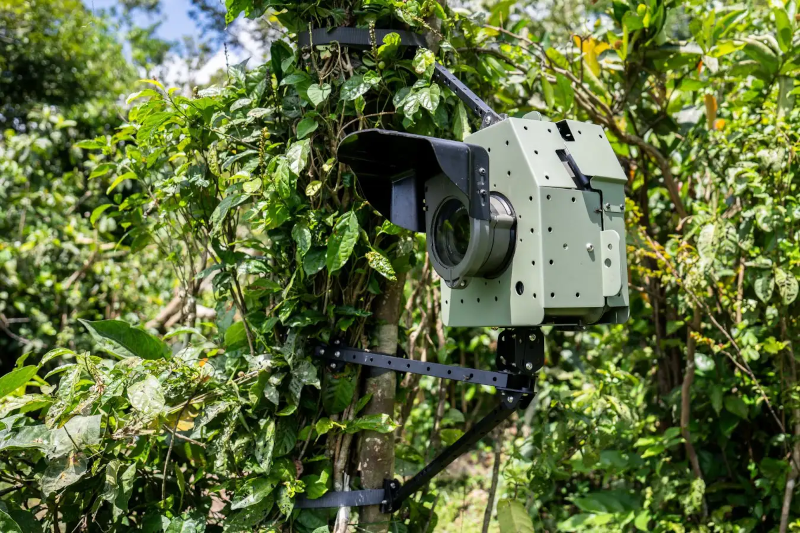
Here’s the thing: the Amazon can feel quiet when you’re walking through it-until you realize the forest is basically running a second shift while you’re sleeping. Camera trapping is how researchers (and sometimes visitors) get receipts. And not the polished, Instagram-style kind more like a messy, time-stamped trail log that happens to include a jaguar.
A quick map of where we’re headed (so it doesn’t feel like a jungle trek)
- What camera traps actually capture (and what they miss)
- Why camera trap studies matter in Tambopata-especially for big cats
- How camera trap photography differs from regular wildlife shooting
- Seasonality, ethics, and the behind-the-scenes data work
- How travelers can support camera trapping without messing it up
Alright-let’s walk the trail.
1) The rainforest doesn’t run on your schedule-and camera traps don’t care
A typical visit gives you a few daylight windows: a morning walk, maybe a boat ride, some birding, and then dinner. A camera trap gives you everything else. Night movement. Midday heat. Rainstorms. Those awkward 3:12 a.m. moments when a tapir decides the path is its personal sidewalk.
That matters because lots of Amazon wildlife is either shy around people, mostly nocturnal, or simply moving through fast. If you’re thinking, I spent three days and didn’t see an ocelot-so they’re not here, camera trapping gently corrects that. Not seeing isn’t the same as not existing.
From a research standpoint, this is the core benefit: you turn absence of sightings into data about detection effort, timing, and habitat use.
2) Camera trap studies surface the cast you’ll probably never meet on a hike
Tambopata is famous for the big, obvious stuff-macaws, monkeys, giant otters, the whole brochure lineup. But the reserve’s mammal list includes plenty of animals that keep a low profile. SERNANP information reports 108 mammal species in the reserve, including jaguar, puma, ocelot, margay, spider monkey, howler monkey, tapir (locally sachavaca), white-lipped peccary, collared peccary, brocket deer, and sloths.
This is where camera trap studies shine. The cameras don’t get bored. They don’t get spooked. They don’t decide to head back because the mosquitoes are winning. They sit there and quietly document who’s using that trail, and when.
And honestly, for travelers, there’s a small emotional twist here. The forest feels bigger when you realize you’re sharing it with animals you’ll never spot in person. It’s humbling-in a good way.
3) Jaguars: the headline act, but also a serious monitoring target
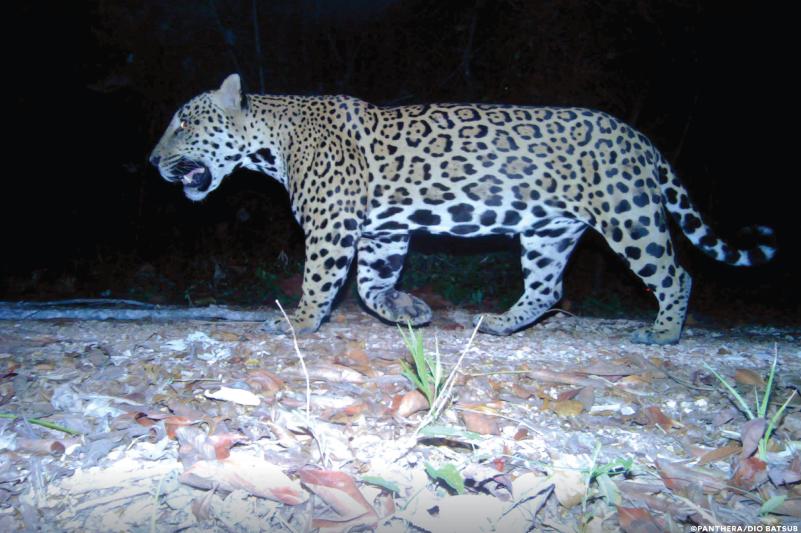
If you’ve ever seen a jaguar camera-trap shot-clean profile, rosettes crisp, eyes glowing-you know it hits different. But beyond the drama, jaguars are ideal for camera-based monitoring because individuals can often be identified by their spot patterns.
A well-known example in the region is AmazonCam Tambopata, described as a remote camera initiative with an array covering more than 200 square kilometers across Tambopata National Reserve and Bahuaja Sonene National Park.
The project also notes that paired cameras can be used to photograph both sides of a jaguar-useful when you’re trying to confirm identity instead of guessing.
So yes, the photos look cool. But the bigger point is more practical: these images can build long-term records about territories, survival, and changes through time.
4) Camera trap photography isn’t the same job as wildlife photography
Wildlife photography usually feels like a chase-find the subject, follow the light, wait for the moment. Camera trap photography is closer to project management with a side of ecology. You plan the station. You think about animal behavior. You think about humidity, theft risk, battery life, and whether leaf flutter will trigger 400 empty frames.
And the photo is rarely just a photo. It often comes with metadata that turns it into evidence:
- Time and date
- Station code / location reference
- Habitat notes
- Direction of travel
- Sometimes behavior and group size
That dual identity-storytelling and data-is why camera traps Tambopata National Reserve projects get talked about so much. One image can be a memory for a visitor and a data point for a scientist. Same frame, different meaning.
5) Placement: the quiet decision that controls the whole outcome
A camera trap can be top-tier gear and still produce junk if it’s placed poorly. Researchers place cameras on animal trails, near river edges, along ridgelines, at mineral licks, or on systematic grids-depending on the question they’re trying to answer.
Here’s the slightly nerdy part (but stay with me): placement can bias detection. A study notes that camera placement choices influence results; trail-based setups can increase detections for some animals while underrepresenting species that avoid trails.
So, in Tambopata, a trail camera might be perfect for cats and peccaries, while another station off-trail may do better for tapirs, armadillos, or smaller mammals. The best studies don’t place cameras where it feels exciting. They place them where the data question lives.
6) Seasonality: the forest’s calendar is real (and your trip dates matter)
One camera-trap image is fun. Hundreds are a pattern. Thousands become a schedule.
Over time, teams can ask things like:
- Who’s active at night, and who prefers the day?
- Do jaguars and pumas use the same trails at different times?
- Are white-lipped peccaries traveling in big herds or splintering into smaller groups?
- Do detections shift between wetter and drier months?
AmazonCam Tambopata describes year-round monitoring that can support views of seasonal movements and change through time.
And since visitor guidance highlights May to October as a recommended season for travel, it’s worth remembering: you’re not just choosing weather-you’re choosing a slice of animal activity, trail conditions, and river dynamics.
7) Non-invasive is true until humans get sloppy
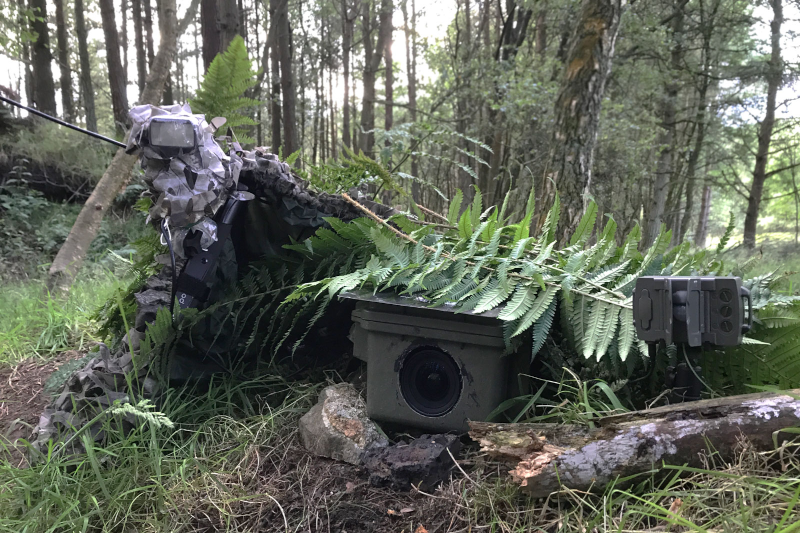
One reason camera trapping has grown so popular in field ecology is that it can collect information without capturing or handling animals. Wired Amazon describes the Tambopata camera network as non-invasive motion-sensor camera traps.
But non-invasive is a standard you maintain, not a label you slap on. Responsible setups keep disturbance low: careful mounting, minimal scent contamination, and no tampering. Many professional teams avoid bait unless there’s a clear, justified reason, because bait can alter behavior and skew results.
If you’re visiting: don’t touch cameras, don’t pose with them, don’t point your own flash at them. It sounds obvious and yet, it keeps happening.
8) Citizen science: when your scrolling habit becomes actual field support
Tambopata has a cool twist: some projects connect camera traps with citizen science. AmazonCam Tambopata on Zooniverse invites people to help classify images, and Wired Amazon describes citizen scientists contributing to knowledge about wildlife and jaguar populations.
And you know what? This is one of those rare online activities that can feel genuinely satisfying. You’re not arguing in comment sections-you’re helping tag real animals, which helps researchers move faster.
If you’re choosing a lodge or tour, it’s fair to ask: do they support monitoring, partner with scientists, or contribute data? A solid operator can explain what they do without promising magical, guaranteed sightings.
9) Guides + camera data = walks that suddenly make sense
A jungle trail changes when you know what used it last night.
With camera-trap records, guides can connect the dots between tracks, scratch marks, feeding signs, and calls. A muddy print becomes a clue. A quiet corridor becomes a route with repeat traffic. And if a troop of monkeys is alarm-calling like their lives depend on it well, you start paying attention.
Visitor guidance for Tambopata emphasizes wildlife observation, marked routes, ranger recommendations, and avoiding disturbance to wildlife.
Camera trapping doesn’t replace that. It supports it-like having the forest’s recent activity logbook, even if you’re only reading highlights.
10) Camera traps also teach patience (and that’s not a bad lesson)
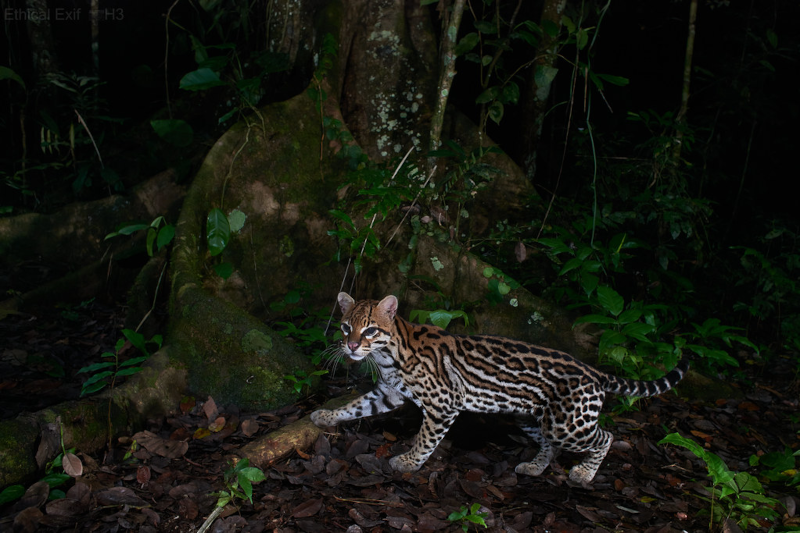
Here’s a mild contradiction: camera traps can make wildlife feel more accessible and they can also make it feel more elusive.
Why? Because a single iconic frame might represent weeks of waiting. The animal was there, yes. But it didn’t show up on command. So if your trip goal is I must see a jaguar, camera-trap reality can be a tough teacher.
A more rewarding mindset is: I want to experience a living rainforest and understand how people monitor it. That shift changes everything. You start noticing:
- Tracks in wet clay
- Broken fruit and feeding signs
- Nocturnal sounds around the lodge
- Small changes in bird calls
It’s not lesser. It’s deeper.
11) The unglamorous part: sorting, labeling, and turning images into decisions
The real value of camera trap studies often begins after the memory card comes back. Images get sorted and identified, duplicates get removed, and false triggers (wind, branches, rain) get filtered out. Then the analysis starts-activity patterns, occupancy signals, distribution differences across stations, and changes across months or years.
A simple field-to-analysis workflow might look like this:
- Define the research question (species richness, activity, habitat use, etc.)
- Choose stations that match the question
- Install cameras securely; record station notes
- Maintain gear (batteries, mounts, moisture issues)
- Retrieve and organize images
- Identify species (and individuals when possible)
- Quality-check IDs
- Analyze patterns; share results with managers and partners
That’s the less romantic side of camera trapping. Also, it’s the side that actually supports conservation decisions.
12) If you’re visiting, here’s how to support camera trapping without becoming the problem
You don’t need a biology degree to be helpful in Tambopata. You just need good field manners.
- Choose operators that follow protected-area rules and use authorized guides.
- Ask about monitoring and conservation partnerships without demanding guarantees.
- Stay on marked routes and follow ranger/guide instructions.
- Do not touch camera traps or other research gear.
- Keep noise low on trails and boats.
- Be careful with location sharing some wildlife info is sensitive.
Tambopata’s official visitor guidance includes registering at checkpoints, following ranger recommendations, traveling only on marked routes with a guide, and avoiding disturbance to wildlife.
Quick takeaway (because you’re probably juggling trip tabs right now)
Camera traps Tambopata National Reserve projects are more than a clever way to get jaguar photos. They reveal the forest’s hidden schedule, document rare and secretive species, support long-term research (including jaguar monitoring), and help visitors understand what wildlife-rich really means especially when the wildlife stays out of sight.
If you’re into camera trap photography, you’ll appreciate the planning behind each frame. If you’re into conservation, you’ll appreciate the data. And if you’re simply curious, camera trapping offers the most honest answer the rainforest can give: you’re not seeing everything and that’s exactly why the place matters.

