Picture yourself paddling slowly on a calm, night-lit Tambopata River on the shores of Madre de Dios, Peru, the only noise of the guide’s paddle. You scan the darkness of a torn, flooded or muddy river bank and the beam of light sweeps across the darkness searching for two eyes shining brightly red (or orange) from above the waterline. Prepare to experience the exhilarating delight of searching for caimans (known as “Caimaneo” in Spanish), a hypnotising night-time experience sure to enchant brave travellers and adventurers as well as nature enthusiasts.
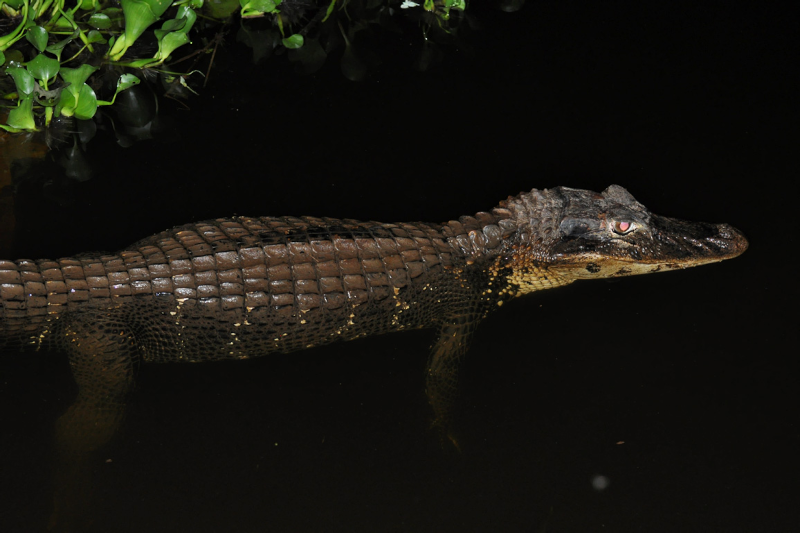
From navigating the meandering and snaky Peruvian Amazon rivers in Madre de Dios, to encountering caimans floundering in murky waters in remote oxbow lakes, surrounded by riverine Amazon forest, the experience of interacting with prehistoric creatures in the wild is humbling. Caimans hunting is not a “bucket list” but an adventure in which you get the possibility of encountering the secret nightlife of the jungle. In this blog you are about to find all the information from sighting a caiman and travelling to hunting, to ensure you have an ethical and memorable experience with caimans.
Understanding Caiman Environments
Where can these marvels of nature be found? First, in order to make your sighting more likely you ought to know where caiman contributes to the ecology of the Peruvian Amazon, specifically, in Madre de Dios. These hard shelled reptiles are mostly fresh water creatures and thrive in slow rivers, calm oxbow lakes, forests under-flooded (locally referred to as igapo and vareza) and fresh water marshlands that are abundant in nutrients. When they prefer the muddy banks whereby they make use of the sun to regulate the heat of their bodies that roll inside the water to cool or to disguise themselves.
In Madre de Dios, prime caiman capitals tend to be found on the Tambopata River and backwaters: black inlets, occasionally flooded forest, and pools of stagnant water which emerge during changes of river courses. The best time to use such still lakes would be during the night to observe wildlife as it has a smoother surface, the boat can work at a slow speed and the eye-shine is a lot easier to notice on the shore.
Know Your Species: Identification and Differences
Prior to leaving behind to go on a jungle tour, it is only prudent to have some idea as to what one should expect. There are certain caimans that may be found within Madre de Dios and it is not uncommon to hear some noise and knowing how to differentiate each species is a fresh experience when viewing either.
The Apex Predator vs. The Common Resident
A common question from curious tourists is black caiman vs spectacled caiman – what are the differences? The black caiman (Melanosuchus niger) is the apex predator of the rivers in Amazonia and they are large animals. They have dark brown to black scutes which help them hide in the tannin-coloured water. By contrast, the spectacled caimans (Caiman crocodilus) are smaller, measuring between 4-6 ft. It’s denoted spectacled due to the bony crest between its eyes resembling spectacles. But contrary to the black caimans, although spectacled caimans are a little more flexible, inhabiting a wide range of aquatic environments.
The Art of Nighttime Exploration
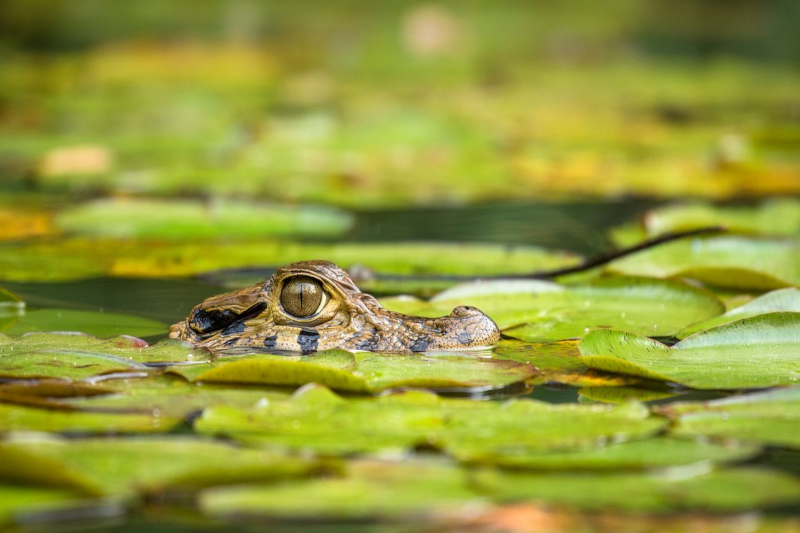
It’s true that you could see our reptiles basking on logs in the day, but you need to see them at night. I’ll explain to you the behaviours that make visitors go on night safaris by describing the night walks of Madre de Dios and Amazonian caimans. These “sit and wait” predators are ready to go as daytime temperatures begin to drop. They move out of their lairs to enter shallow bodies of water to hunt for fish, crustaceans, amphibians and occasionally mammals.
To know how to find caimans’ eyes in the dark, once you know the magic of the tapetum lucidum layer of crystalline cells that reflect light behind caimans’ retinas. So when you scan the riverbanks with a flashlight it shines into their eyes and they glow (most are orange or red). When searching for caimans, don’t look at the riverbank, only at your flashlight (make sure you’re looking at it at eye level) and carefully sweep across the riverbank.
Go for a night out during the best time for an Amazon night safari (typically medium-low water levels during the dry season), and you will have a better chance of success. For example, drifting down the Tambopata River on a clear night without the moon and with stars, is the perfect backdrop for this magical night.
Essential Gear and Preparation for the Jungle
Don’t forget the basics to be a successful adventurer. Having the right equipment to find wildlife in lowlight conditions will make your experience more comfortable, and safer.
- Bright Lights: Use a bright spotlight and headlamp. Select those with an adjustable beam. You also need to use a filter to prevent white light from disturbing the animals.
- Jungle Gear: Wear light long sleeved and absorbent tops and bottoms. Night-time mosquito bites will be prevented!
- Binoculars: Use binoculars with large light gathering properties (8×42 or 10×42) to see and identify whatever is there before you get close.
Safety equipment is crucial for river journeys, too. Make sure you never get into a canoe or motor skiff without a life jacket. Ensure the guide comes with a stocked first-aid box and extra batteries for a flashlight or head lamp and other forms of communication (a satellite phone or walkie talkie) if you’re navigating pitch-black, twisting tributaries in the midst of a remote rainforest.
Planning Your Trip: Timing and Tours
Pay attention to timing your visit to have the greatest chance of seeing crocodiles. To have the best opportunity of spotting reptiles in Madre de Dios, visit in the late dry season (when the water is low and the reptiles are clumped together in channels and slower moving water).
If you aren’t a local expert in animal tracking, it’s imperative to not go out alone on the jungle rivers at night. Instead, go on boat tours to view reptiles, and other wildlife. Skilled naturalists and guides know where the animals are. And more importantly, they know how to get close – in canoes, not motorboats – and how to navigate the dangerous hidden currents in the darkness.
Mastering Caiman Photography
There’s nothing more exciting than trying to photograph the jungle night. It takes great patience, lightning-fast reflexes, and a deep comprehension of how your camera deals with darkness to photograph a caiman.
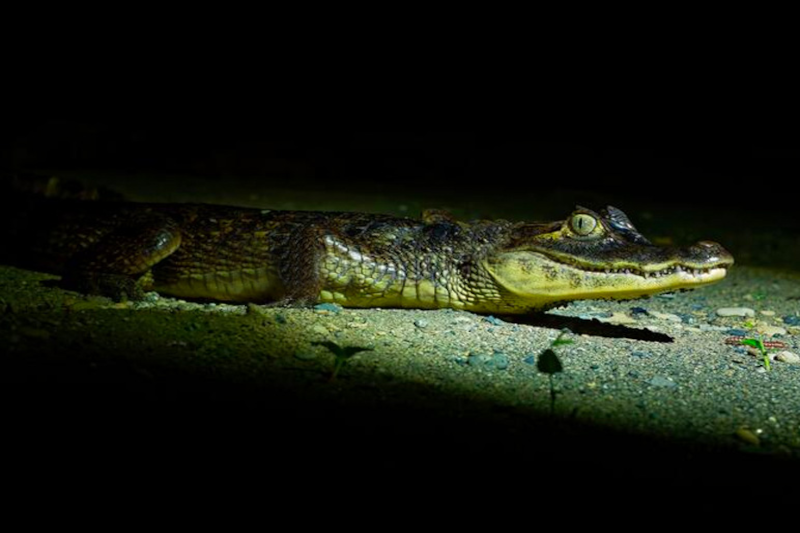
Here are a few low-light tips for photographing river wildlife:
- Use a Fast Lens: Consider using an f/2.8 or wider aperture to allow as much ambient light into the camera.
- Increase the ISO: Modern DSLR and mirrorless cameras can accommodate a higher ISO (between 3200 and 6400) with very little noise. Feel free to increase the ISO to get a faster shutter speed; grainy is better than blurry.
- The Bottom Line: The engine and water flow vibrate the boat. Whenever possible, ask your driver to turn the engine off. Consider using a monopod, or even holding your elbows against your body or the wooden side of the boat to brace yourself.
- Manual Focus: In total darkness, camera autofocuses tend to “hunt”. Manually focusing the lens on the reflective reptile eyes will help.
- Mind Your Flash: Do not flash with pop-up flashes. This will not only result in a washed-out photo, but it may upset your subject.
Safety and Ethics on the Water
A number of new travellers to the jungle might want to know: are caimans dangerous to tourists? The short answer is: yes, they’re wild, strong and deadly predators, but there are very few cases of non-provoked accidents to tourists sitting in boats. The spectacled caimans are particularly timid; the most likely response to the boat is probably to quickly slip under water if they feel danger. The larger black caimans are a much more intimidating creature, but as long as you stay in the boat and do not put your hands, feet and cameras out of the boat you should be fine.
It is imperative to follow safe and responsible rules for wildlife viewing. We must preserve and conserve.
- Do Not Approach: Respectfully refuse to ask your boat driver to get closer for a photo. If the reptile does something like hiss or dive rapidly and swim away, you have moved too close.
- Keep the Spotlight on Low: Never keep a bright white spotlight in the eyes of an animal. After taking photos of the reptile, politely request the guide to move the light away from the animal so that it can regain its night-vision.
- Don’t Feed the Animals: Feeding the wildlife interferes with their natural hunting habits. It also conditions them to expect an easy meal that comes from human boats, leading to situations that are dangerous for the wildlife, and the people whose livelihoods depend on the river.
A Final Thought on the Nocturnal Jungle
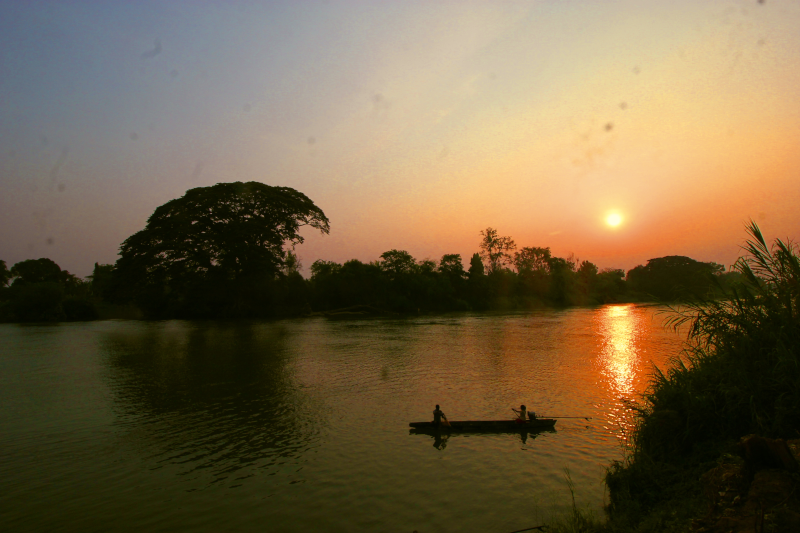
Exploring the night-dark jungle of Madre de Dios can provide a unique, insiders’ perspective into a shrouded and timeless world. With the right information, preparation and respect for the environment, your river adventure will be safe, ethical, and remarkably beautiful. Embrace the beautiful unknown of the jungle, follow your guides, and watch for the jewel of the river – red glowing eyes at night – that will take you on the adventure of a lifetime down the Tambopata River.
Q&A
Where do caimans thrive in Madre de Dios, and what habitats should I focus on near
In Madre de Dios, caimans are freshwater reptiles that are found in calm waters of the Tambopata River and backwoods, oxbow lakes and flooded regions (igapó and várzea). Look for caimans on slow-moving water edges with ooze banks, inlets and inlets where you can drift your boat into and see eyeshine at night.
How can I quickly tell a black caiman from a spectacled caiman?
Black caimans (Melanosuchus niger) are larger and darker, often being called “camouflaged” in the dark tannin water and have deeper channels and pools. Spectacled caimans (Caiman crocodilus) may be smaller (4-6 ft), they have a bony projection between their eyes, that makes it look like they have spectacles; be found in freshwater habitats.
What’s the trick to spotting caiman eyes at night without causing disturbance?
Their eyes shine due to the tapetum lucidum, a retina lining that shines light back through the retina. Use an eye-level flashlight and slowly “pan” over the banks; eyes will glow orange or red. Use headlamps with adjustable spotlights and prefer red filters; avoid a harsh white beam from the light – once you have observed or photographed the animal, move the light away from its eye to allow it to adapt to darkness again.
When is the best time to go caiman searching on the Tambopata River, and should I use a guide?
If visiting Madre de Dios, make sure you go in the dry season, when lower river levels often lead to higher density of animals, and deeper river edges for easier scanning at night. It’s, best to visit with a guide; experienced naturalists or a local guide will know where caimans are found, can sneak close without disturbance and will be familiar with the currents and hidden dangers in the dark. It is not safe to navigate jungle rivers at night alone.
Are caimans dangerous to tourists, and what ethics should I follow on the water?
There are few instances of wild caimans attacking people in boats. Spectacled caimans are generally shy and swim away underwater; black caimans are more dangerous but sitting low in the boat will save you from their jaws (be sure to keep your hands and feet, and cameras, inside the boat). Endorse strict ethics: keep distance (go away if they start to change their behaviour, such as stopping to make sounds like hissing or rapidly diving), and avoid unnecessary white light shining into their eyes, or feeding or baiting – this can alter natural behaviour and poses risks for both wildlife and people.

