Choosing between Manu National Park and Tambopata comes down to the kind of Amazon experience desired. Tambopata is usually the better fit for travelers who want strong wildlife viewing, easier logistics, and lodge-based comfort from Puerto Maldonado. Manu National Park suits travelers with more time, more patience, and a deeper interest in remote rainforest, cloud forest, and big landscape changes from the Andes into the Amazon.
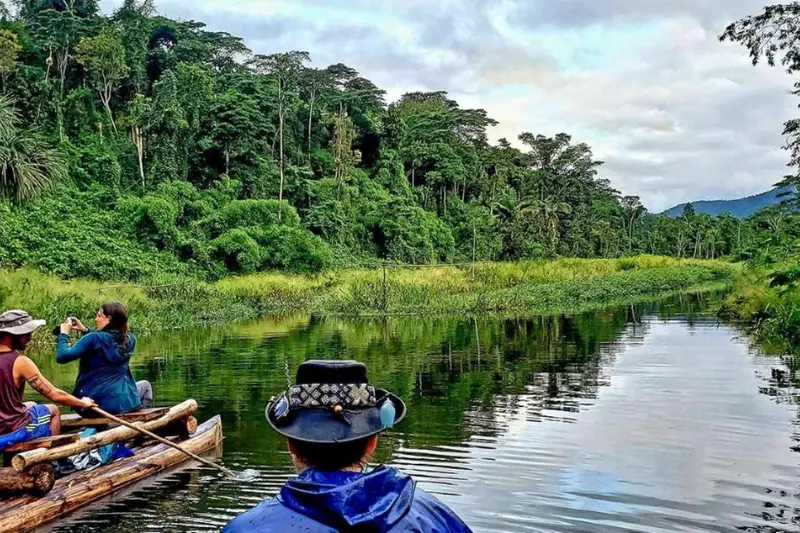
Which Amazon destination is better for your trip?
For most first-time visitors, Tambopata National Reserve is the more practical choice because it is easier to access and still offers classic tambopata wildlife experiences such as oxbow lakes, forest trails, river travel, canopy views, and macaw or parro nt clay licks. SERNANP, Peru’s protected areas authority, highlights Tambopata’s tourism sectors and clay licks as major wildlife-viewing attractions, making it a strong option when a Peru itinerary is already full.
Manu National Park becomes the stronger choice when the journey itself is part of the appeal. UNESCO describes Manu as a globally important biodiversity haven where the Tropical Andes meet the Amazon Basin, and also notes that the property remains difficult to access and largely spared from human impacts. In simple terms, Tambopata is the easier Amazon; Manu is the more expedition-style Amazon.
A quick decision summary:
- Choose Tambopata if you want a shorter Amazon extension, smoother lodge logistics, strong chances for wildlife activity, and easier travel before or after Cusco, Lima, or Machu Picchu.
- Choose Manu if you want remoteness, major habitat variety, cloud forest scenery, and a slower journey into a less accessible protected landscape.
- Choose Tambopata for family trips, mixed-comfort groups, or travelers who prefer less overland travel.
- Choose Manu for birders, naturalists, photographers, and travelers who value depth over convenience.
The core difference is accessibility
The biggest practical difference in the manu national park vs tambopata decision has nothing to do with beauty; both are extraordinary Amazon destinations. The difference lies in how much effort a traveler wants to spend getting into the forest and how much travel time gets traded for remoteness.
Tambopata is closely associated with Puerto Maldonado, a common gateway for lodges and river-based tours in southeastern Peru. That makes it easier to add to a broader Peru route, especially with limited vacation days. The experience can still feel wild, but the logistics tend to be more straightforward: arrive, transfer by road or river, settle into a lodge, and begin guided activities. Choosing what to bring matters too, and What to Pack for Tambopata covers the essentials for exactly this kind of shorter, lodge-based itinerary.
Manu National Park asks more from the traveler. The route often involves longer transfers, changing elevations, and moving through different ecological zones before reaching lowland rainforest areas. That extra effort is exactly what attracts many visitors, but it can be tiring when the main goal is a relaxed Amazon stay.
Compare the access experience this way:
- Tambopata: easier gateway, better suited to shorter itineraries, simpler lodge transfers, and less time spent just reaching the forest.
- Manu: longer approach, more varied scenery on the way, stronger feeling of remoteness, and a trip rhythm that rewards patience.
- Tambopata: more practical if you are combining the Amazon with several other Peru highlights.
- Manu: more compelling if the Amazon is the centerpiece of your journey.
Wildlife viewing feels different in each place
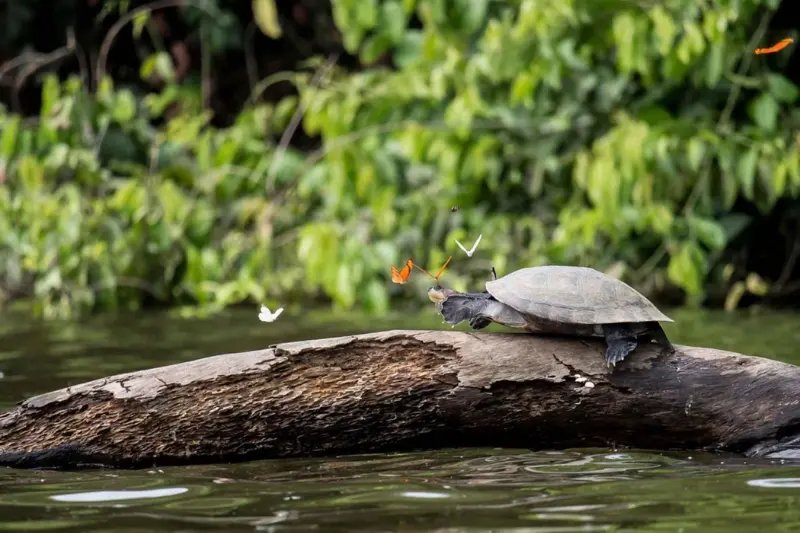
Both destinations can deliver memorable wildlife encounters, but they do so in different ways. Tambopata wildlife viewing is often built around accessible hotspots such as clay licks, lakes, rivers, forest trails, and canopy structures, home to many of the species featured in Top Animals You’ll Find in the Tambopata Amazon Rainforest. SERNANP notes that Tambopata’s parrot and macaw clay licks are among the area’s standout natural events, which helps explain why the reserve is so popular with wildlife-focused travelers.
Tambopata is especially appealing for anyone wanting concentrated activity within a manageable schedule. One morning might go toward watching birds at a clay lick, another toward exploring a lake, and an evening toward looking for nocturnal life with a guide, a side of the reserve explored further in Night Wildlife in the Amazon of Tambopata. Wildlife is never guaranteed in a rainforest, but Tambopata gives many travelers a clear structure for seeing and hearing the forest at different times of day.
Manu’s wildlife appeal ties to scale, habitat diversity, and ecological depth. Because the park spans environments from Andean puna and cloud forest toward Amazonian lowlands, the journey can expose travelers to a broader range of landscapes than a typical short rainforest lodge stay. SERNANP describes Manu as a biodiversity sanctuary extending from high Andean grasslands to the Amazon, with cloud forests, waterfalls, and rainforest scenery.
A practical wildlife comparison:
- Tambopata is strong for travelers who want efficient wildlife-focused days without committing to a long expedition.
- Manu is strong for travelers who care about habitat transitions, bird diversity, and the feeling of moving through a vast protected landscape.
- Tambopata can feel more approachable for casual wildlife lovers because activities are often organized around well-known viewing areas.
- Manu can feel more rewarding for specialists because the route itself may include several ecosystems, not just lowland rainforest.
Which option is cheaper to run in time and energy?
Tambopata is usually cheaper in time and energy because it requires fewer logistics, shorter access, and less tolerance for long travel days. That does not mean it is always cheaper in price, since costs depend on lodge level, guide quality, season, group size, and itinerary length. Still, when the real budget is limited vacation time, Tambopata often wins. Seasonal timing plays a role too, and reviewing Best Times to Visit Tambopata can help travelers avoid the wettest weeks in either destination.
A shorter Tambopata itinerary can still include several Amazon essentials: river transfers, guided walks, wildlife observation, night sounds, and time in a forest lodge. This makes it attractive for travelers wanting a meaningful Amazon sample without reshaping their entire Peru trip.
Manu tends to demand more from the schedule. The longer approach is part of the value, not just an inconvenience, because it allows the trip to unfold from mountains to rainforest. But for travelers already moving quickly through Peru, those extra travel days can feel costly.
Use this checklist before deciding:
- If you have only a few days for the Amazon, lean toward Tambopata.
- If you can give the rainforest a larger share of your trip, consider Manu.
- If long road journeys drain your energy, Tambopata is safer.
- If changing landscapes excite you, Manu may be worth the extra effort.
- If your group includes children, older travelers, or mixed fitness levels, Tambopata is often easier to balance.
- If everyone in your group actively wants remoteness, Manu becomes more realistic.
Lodges, comfort, and trip style
Tambopata generally suits travelers wanting the Amazon with a clearer comfort framework. Lodge-based programs can make the experience feel organized without removing the sense of being in the rainforest. Readiness for humidity, insects, early mornings, mud, and basic nature-travel realities still matters, and understanding the region’s weather patterns through Amazonian Rain, River, and Forest: Climate of Tambopata makes that preparation easier.
Manu works better described as a journey rather than a simple lodge stay. Depending on the itinerary, travelers may move through several zones, spend more time in transit, and accept a more adventurous rhythm. That can be unforgettable when expectations are right, but disappointing for anyone imagining a quick, polished jungle escape.
Trip-style comparison:
- Tambopata offers a more direct forest stay, often centered on a lodge and daily guided excursions.
- Manu offers a longer progression through landscapes, with the route playing a bigger role in the experience.
- Tambopata is easier to explain to a mixed group because the activities are more familiar: walks, boats, lakes, birds, and nighttime exploration.
- Manu is easier to love for travelers who enjoy slow travel, early starts, and the uncertainty that comes with remote nature trips.
Conservation context matters
Manu National Park and Tambopata National Reserve are not interchangeable attractions; they are protected landscapes with different conservation roles. Manu’s World Heritage recognition reflects its exceptional ecological importance and its position where Andean and Amazonian systems meet. Tambopata, managed as a national reserve, combines biodiversity protection with tourism and sustainable-use objectives in Peru’s southern Amazon, a balance that also supports ongoing conservation work like Camera Trapping in Tambopata National Reserve used to monitor elusive species without disturbing them.
For travelers, this means the “best” destination isn’t only about seeing animals. It is also about choosing a trip style that respects the place. In either destination, working with qualified local operators, following guide instructions, keeping distance from wildlife, avoiding loud behavior, and treating the forest as habitat rather than a backdrop all matter, especially around fragile ecosystems like those described in A Guide to the Incredible Plant Species of Tambopata Rainforest.
Responsible travel checklist:
- Ask what protected area your itinerary actually enters.
- Confirm whether activities are guided by trained local naturalists.
- Avoid tours that promise guaranteed sightings of specific wild animals.
- Pack for heat, rain, mud, and insects without overpacking disposable items.
- Stay on trails and platforms where provided.
- Choose the itinerary you can enjoy without rushing the forest.
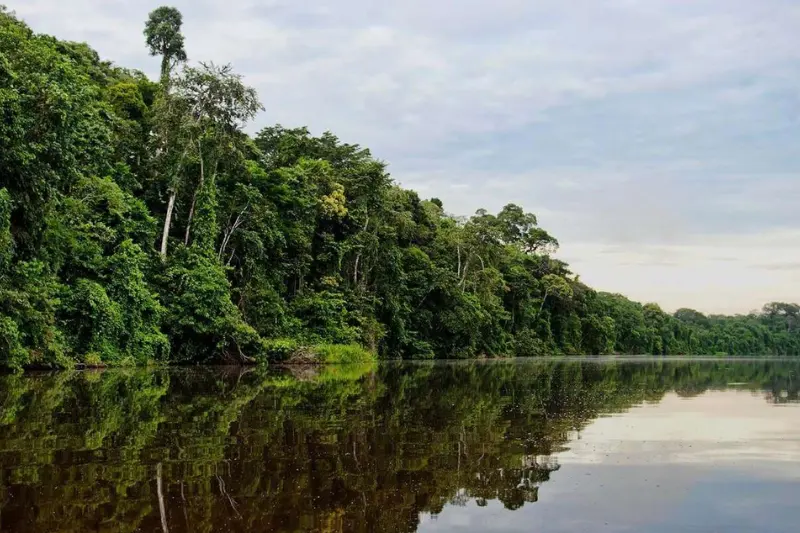
The best choice depends on your travel personality
For the simplest answer, Tambopata National Reserve wins for accessibility and Manu National Park wins for depth. Tambopata delivers a high-value Amazon experience with fewer logistical barriers, making it ideal for first-timers, shorter trips, and travelers who want strong wildlife opportunities without a demanding expedition. Manu shines when there’s enough time and curiosity to let the forest reveal itself slowly, rewarding patience with sightings that might include species covered in Rare Animals of the Amazon Tambopata Wildlife Guide.
Neither choice is a compromise if it matches individual expectations. Tambopata can feel thrilling, lush, and wildlife-rich even on a shorter visit. Manu can feel larger, wilder, and more layered, especially for travelers who care about ecology as much as comfort.
Final recommendation:
- Best overall for most Peru itineraries: Tambopata.
- Best for serious nature travelers with more time: Manu.
- Best for easier logistics: Tambopata.
- Best for remoteness and habitat variety: Manu.
- Best for a first Amazon experience: Tambopata.
- Best for an expedition-style rainforest journey: Manu.
When comparing manu national park vs tambopata, the schedule, tolerance for travel, and reason for visiting the Amazon should guide the decision. Efficient access to classic rainforest activities and tambopata wildlife points toward Tambopata as the natural choice. A more remote, slower, and more immersive journey through one of Peru’s most important protected landscapes points toward Manu National Park.

