Illegal Mining in Peru has become one of the most urgent environmental and social challenges in the Amazon, and few places show the damage more clearly than the Tambopata National Reserve. What begins as small-scale, opportunistic extraction often accelerates into a web of informal camps, dredges, trafficking routes, and corruption—leaving behind toxic waterways, stripped forests, and vulnerable communities. This deep dive into Illegal Mining in Peru: Impact on the Tambopata National Reserve explains what’s happening on the ground, why it matters far beyond Peru, and what practical actions can help reduce harm and support long-term solutions.
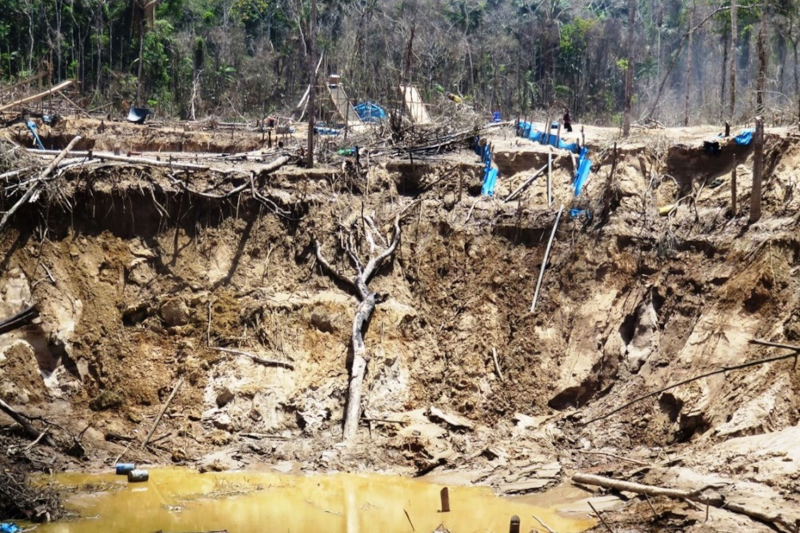
What is Tambopata National Reserve—and why it matters
If you’ve ever asked what is Tambopata National Reserve, the simplest answer is: it’s one of Peru’s most biologically rich protected areas, located in the Madre de Dios region of southeastern Peru, part of the greater Amazon basin. The Tambopata rainforest is famous for:
- Exceptional wildlife density and endemism
- Clay licks that attract macaws and other birds
- Healthy river systems that support fish, amphibians, and mammals
- A strong ecotourism economy built around intact forest landscapes
This richness is exactly why Tambopata National Reserve gold mining is so destructive: even “small” incursions can cause outsized damage to connected habitats and waterways.
Illegal mining in Peru: what it is (and what it isn’t)
Illegal mining in Peru typically refers to gold extraction conducted without required permits, in prohibited zones (including protected areas), or in ways that violate environmental and labor laws. It’s closely related to “informal” and “illegal” categories; in practice, supply chains can blur lines, enabling laundering of gold through intermediaries.
When people search Peru illegal mining, they’re often trying to understand why it persists despite enforcement. The answer is that illegal mining is not just a “few miners”—it can involve financing networks, equipment suppliers, document falsification, and organized groups that profit from weak oversight and high gold prices.
How illegal mining works in Peru (a practical look)
To understand how illegal mining works Peru, it helps to picture a step-by-step system:
- Forest access and land invasion Miners open entry points via trails, roads, or rivers. In Madre de Dios, river corridors make it easier to move fuel and machinery.
- Clearing and soil removal Rapid clearing creates bare, sandy flats—classic deforestation from artisanal mining patterns visible in satellite imagery.
- Excavation and dredging Depending on the location, miners use pumps, suction dredges, excavators, and settling ponds to separate sediment.
- Gold recovery with mercury Many operations use mercury to bind fine gold particles into amalgam.
- Gold trafficking and laundering Gold is moved through local buyers and may be “formalized” on paper, masking its origin.
This is why tambopata illegal mining isn’t just an environmental issue—it’s also a governance and supply-chain problem.
Why mercury is used—and what it does to the Amazon
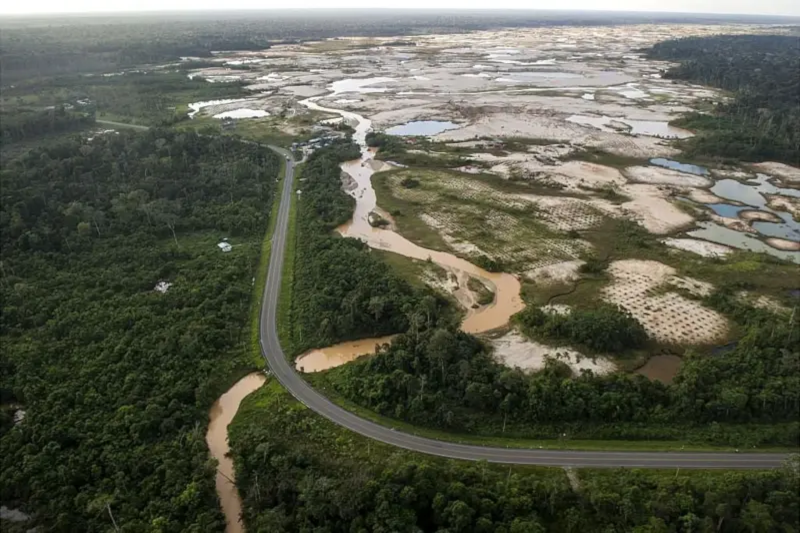
People frequently ask why mercury used in gold mining. The reason is straightforward: mercury is cheap, accessible, and effective at binding to gold in a simple process that doesn’t require advanced technology. But the consequences are severe.
Mercury contamination in Amazon Peru: what’s at stake
Mercury contamination Amazon Peru becomes a long-term health and ecological threat because mercury can enter rivers, transform into methylmercury, and build up in the food chain. That means contamination can affect:
- Fish (a key protein source for Amazon communities)
- River dolphins, caimans, and predatory birds
- Humans through diet, especially pregnant people and children
In discussions of Madre de Dios illegal mining effects, mercury is often the most feared legacy because it can persist long after a site is abandoned.
Best ways to reduce mercury exposure (for communities and travelers)
If you live in or visit affected areas, the best ways reduce mercury exposure typically focus on reducing dietary risk and limiting contact with contaminated sediments:
- Favor smaller, lower-trophic fish over large predatory fish when advisories exist
- Diversify protein sources (chicken, eggs, legumes) when feasible
- Use clean water sources for cooking when available; avoid drawing water from active mining zones
- Limit children’s play in contaminated riverbanks and tailings areas
- Support local testing initiatives (hair/fish sampling programs) through credible health organizations
These steps don’t solve the root cause, but they can reduce near-term harm while enforcement and restoration catch up.
Deforestation, habitat fragmentation, and biodiversity loss in Tambopata
Illegal mining causes far more than “tree loss.” It reshapes landscapes into pits, ponds, and sterile sandbars that don’t regenerate easily. The result is:
- Collapsed soil structure and reduced fertility
- Increased erosion and sediment loads in rivers
- Fragmented habitat corridors that wildlife depend on
Biodiversity loss Tambopata rainforest: why recovery is slow
Biodiversity loss in the Tambopata rainforest happens because many species rely on old-growth forest structure—canopy layers, fruiting cycles, and microhabitats. When mining strips the land down to substrate, natural regeneration can stall for years without intervention.
In addition, noise, human presence, and hunting pressures can increase around mining fronts, pushing sensitive species away from core habitats of the tambopata national reserve.
Illegal mining impact on indigenous communities in Peru
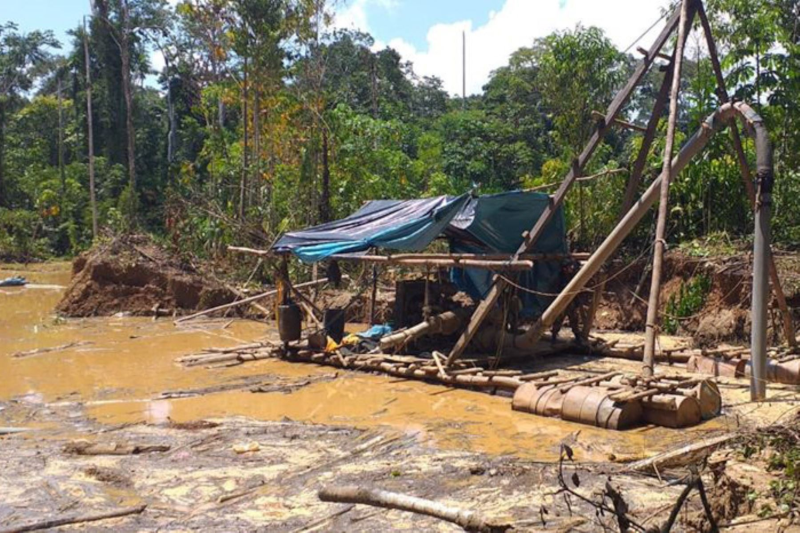
The illegal mining impact on indigenous communities Peru often includes overlapping harms:
- Health risks from mercury and poor sanitation around mining camps
- Loss of territory and resources (fish, game, medicinal plants)
- Security threats tied to trafficking networks and violence
- Cultural disruption when migration and settlement patterns change quickly
Even when mining happens outside a community’s formal boundaries, river contamination and forest fragmentation can spread the impacts widely.
Ecotourism versus gold mining in Tambopata: an economic crossroads
The debate about ecotourism versus gold mining Tambopata is not just ideological—it’s a comparison between short-term extraction and long-term value.
What ecotourism sustains
A healthy tourism economy can provide:
- Local jobs in guiding, lodging, transport, food, and conservation
- Incentives to protect forests and wildlife (the “asset” is intact nature)
- International partnerships for research and monitoring
What illegal gold mining delivers—and leaves behind
Illegal gold mining can generate fast cash, but often:
- Concentrates profits among buyers and financiers, not workers
- Creates boomtown conditions with exploitation and instability
- Leaves costly cleanup burdens for the public and future generations
For many families, the choice is constrained by limited opportunities—so solutions must include credible income alternatives, not just crackdowns.
Peru mining enforcement operations: what works and what doesn’t
Peru has carried out Peru mining enforcement operations in Madre de Dios and other regions, using police, military, and environmental agencies to dismantle camps and destroy equipment. Enforcement can disrupt networks, but sustained results are difficult when:
- Remote terrain enables quick re-entry
- Profits remain high and buyers remain available
- Corruption and document laundering persist
- Formalization pathways are confusing or inaccessible
Effective enforcement tends to pair actions: targeted interdiction + supply-chain controls + community protection + restoration funding.
Sustainable alternatives to artisanal gold mining
A lasting response requires sustainable alternatives to artisanal gold mining that respect livelihoods while protecting ecosystems. Depending on the community and location, options can include:
- Mercury-free gold processing methods (e.g., gravity concentration, improved sluices)
- Formalization support for miners willing to comply with environmental standards outside protected areas
- Agroforestry and shade-grown crops (cacao, Brazil nuts, açaí where appropriate)
- Community-based ecotourism and conservation jobs
- Skills training that connects people to regional labor markets (construction, mechanics, solar installation)
The goal isn’t to pretend mining disappears overnight—it’s to make the legal, low-impact path easier than the illegal, destructive one.
Reforestation projects in Madre de Dios: restoring mined landscapes
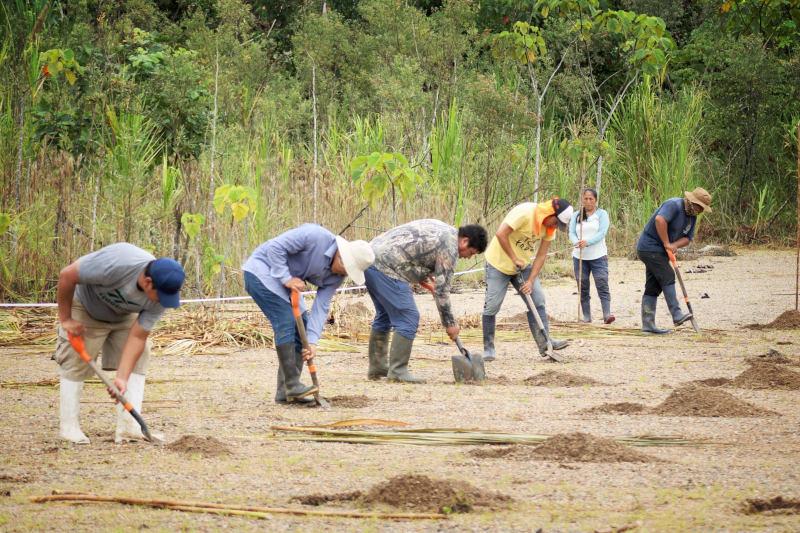
Because mined sites can be biologically “reset” to near-zero, reforestation projects Madre de Dios often require active restoration rather than waiting for nature alone. Strong projects typically involve:
- Stabilizing soils and reshaping pits/ponds where feasible
- Planting native pioneer species that tolerate degraded substrates
- Creating corridors to reconnect fragmented habitat
- Long-term monitoring (seedling survival, invasive species control)
- Partnerships with local communities for maintenance and stewardship
Restoration is not a substitute for prevention, but it’s essential for reducing the permanent footprint of mining.
How to report illegal mining in Peru (without putting yourself at risk)
People searching how to report illegal mining Peru often worry—reasonably—about retaliation. Practical guidance:
- Report through official government channels and protected-area authorities where possible
- Provide specific details: location (GPS if safe), dates, photos from a distance, transport routes
- Avoid direct confrontation; do not enter camps or attempt “evidence collection” up close
- If you’re a visitor, inform your lodge operator or licensed guide—many have established reporting pathways
- When possible, work with reputable NGOs that coordinate reporting and safety protocols
If you believe reporting could put you or others in danger, prioritize personal safety and seek advice from trusted local organizations before acting.
The takeaway: protecting Tambopata requires more than enforcement
The story of Illegal Mining in Peru: Impact on the Tambopata National Reserve is ultimately about systems: global demand, local opportunity gaps, weak controls, and high ecological stakes. Protecting the Tambopata National Reserve means reducing the incentives and pathways that fuel Tambopata National Reserve gold mining, cutting mercury use at the source, strengthening governance, and expanding economic choices that keep forests standing. When enforcement, community safety, sustainable livelihoods, and restoration move together, Tambopata’s future can be defined by living rainforest—not poisoned rivers and abandoned pits.

