Jaguars and other big cats, including tigers, lions, and leopards, are fascinating Panthera animals. From the dense rainforests of South America to the sprawling savannas of Africa, these cat species symbolize power, beauty, and untamed wilderness
Exploring fascinating facts about these spotted cats and black panthers uncovers stories that reflect the rich cultural heritage of the regions they inhabit. Learn ten amazing facts about Panthera animals and why these big cats and their homes need protection.
The Jaguar’s Place in the Panthera Family
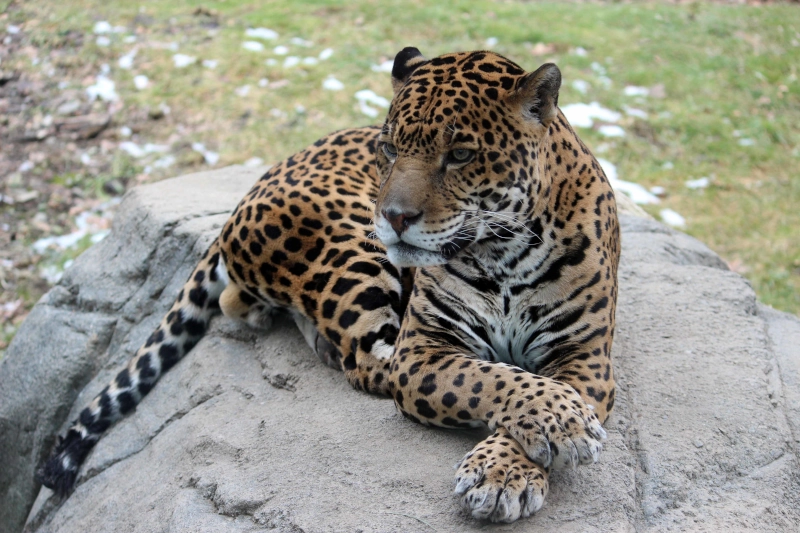
The jaguar (Panthera onca) is the third-largest big cat, after the tiger (Panthera tigris) and lion (Panthera leo). The jaguar lives mostly in the rainforests of South America. It is a shy, lone predator that helps keep the ecosystem balanced. Its powerful build and hunting instincts make it an apex predator, vital for the health of the ecosystem.
Apex Predators and Ecosystem Balance
As apex predators, jaguars regulate populations of prey species, preventing overgrazing and supporting vegetation growth. This balance is essential for sustaining biodiversity in their habitats. Without these threatened species, ecosystems would face drastic changes, potentially causing declines in certain plant and cat species.
Symbols of Wilderness and Power
Jaguars are more than biological wonders; they are symbols of untamed wilderness. Their elusive nature and raw power make them enigmatic Panthera animals that inspire awe. Across cultures, jaguars often represent the wild forces of nature, much like black panthers and other spotted cats.
Master Camouflage: Rosette Pattern Adaptation
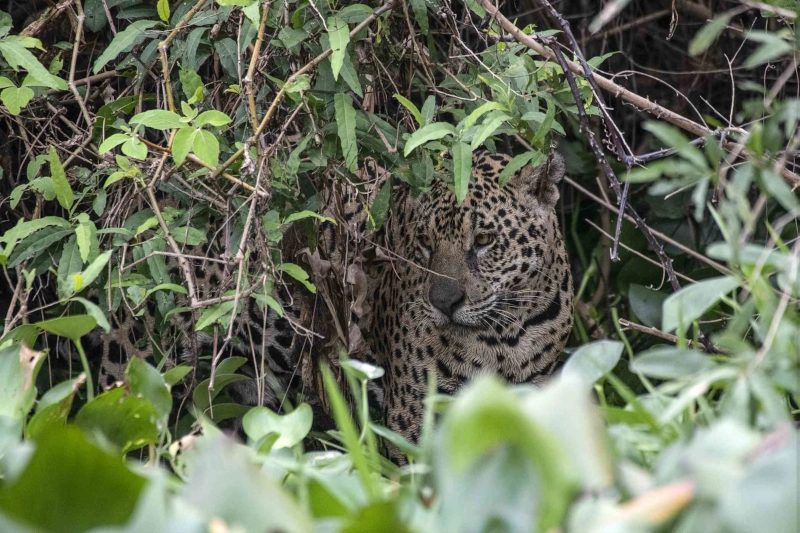
Jaguars are masters of camouflage. Their rosette-patterned fur allows them to blend perfectly with the dappled light of the rainforest. This natural disguise lets them move unseen while stalking prey, showcasing the evolutionary brilliance of genus Panthera.
Ambush Hunters of the Amazon
These Panthera animals are ambush hunters, using stealth and strength to catch prey. Jaguars often hide in dense foliage and strike with sudden power. This hunting style needs patience and precision, qualities these cat species have in abundance.
Jaguars hunt on both land and water, highlighting their adaptability. They prey on a wide range of animals, from deer and peccaries to fish and caimans. This diverse diet demonstrates the versatility of Panthera animals, including snow leopards in other regions.
Unique Jaguar Vocalizations
Jaguars make a special roar that sounds like a cough. They use it to communicate, like other big cats in the Panthera group.
Communication and Territorial Roars
Jaguars use their roar to communicate with each other. It helps them mark territory and attract mates. The sound can travel far through the dense rainforest, letting jaguars show their presence without fighting.
During the mating season, they roar more often to find partners. This unique roar helps jaguars connect and survive as a species.
Jaguars as Keystone Species
Jaguars are very important for their ecosystems. As top predators, they control other animal populations and keep the food chain balanced. Their role is key to keeping their habitats healthy.
Impact on Herbivores and Plant Life
Their predation on herbivores prevents overpopulation, which in turn supports plant diversity and helps maintain the structure of the ecosystem. This cascading effect highlights the jaguar’s importance in preserving the rich biodiversity of regions like the Amazon and Tambopata.
Biodiversity and Conservation Importance
Jaguars play an important role in nature. Protecting them also protects many other animals and plants. Conserving jaguars helps keep their home healthy.
Cultural Significance in Indigenous Traditions
For many indigenous cultures in the Amazon, the jaguar is a symbol of strength and spiritual power. Its presence in myths and folklore often portrays it as a mighty and revered creature. This cultural significance underscores the deep connection between humans and nature.
The jaguar holds a place of reverence in myths, stories, and rituals. People often see it as a bridge between the physical world and the spiritual realm, showing both fear and respect. Some cultures believe jaguars wield special powers and lead shamans and spiritual leaders.
Artistic Representation Across Time
Artists show jaguars in carvings and paintings. They highlight their power and mystery. Jaguars inspire people everywhere.
Swimming Jaguars: Masters of Water
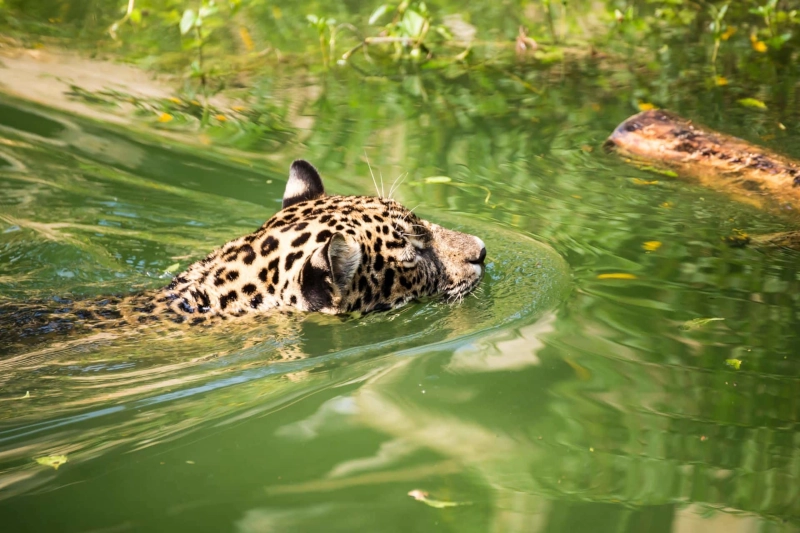
Unusually for cats, Jaguars hunt near rivers and lakes, catching fish, turtles, and even caimans. This ability to swim sets them apart from other big cats and showcases their adaptability to diverse environments.
Jaguars can swim and hunt in water, showing how adaptable they are. They use strong legs and stealth to move through water and surprise prey. This skill helps them catch more food and survive.
A Unique Niche in Aquatic Ecosystems
Jaguars use rivers and lakes in a special way. This helps them catch more types of food and stay top predators. By living in water areas, they also help keep the ecosystem balanced.
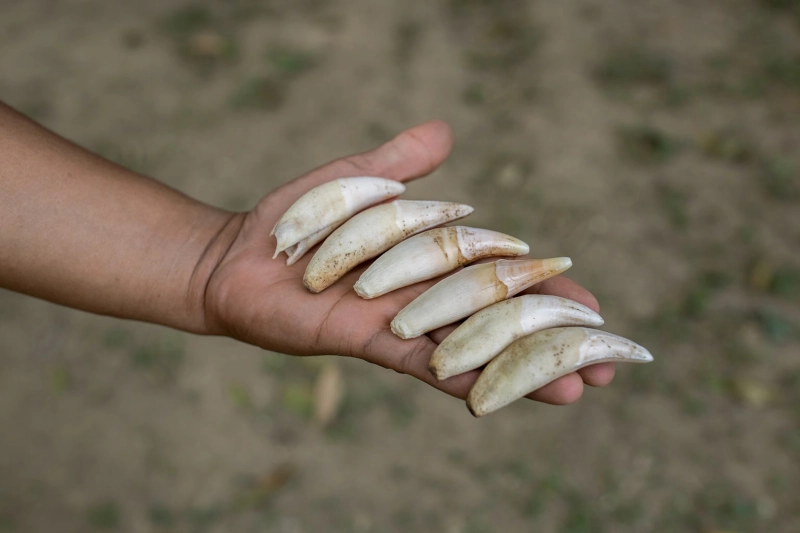
Despite their prowess, jaguars face numerous threats, including habitat destruction, poaching, and conflicts with humans. Deforestation in the Amazon and other regions has led to significant habitat loss, threatening the survival of these majestic animals. The destruction of their natural habitat is one of the most pressing challenges they face.
Human–Wildlife Conflict
As human populations expand, jaguars increasingly come into conflict with people. Livestock predation often leads to retaliatory killings, further endangering jaguar populations. Finding ways to mitigate these conflicts is crucial for their survival.
Conservation efforts in national reserves like Tambopata are crucial in protecting jaguar populations. However, these efforts face challenges such as limited funding, political instability, and competing land-use interests. Addressing these challenges requires a concerted effort from governments, NGOs, and local communities.
Protected Areas and Reserves
National reserves and protected areas play a vital role in conserving jaguar populations. Initiatives that focus on habitat preservation are essential in safeguarding these big cats. By protecting large tracts of land, reserves provide a safe haven for jaguars and other wildlife.
Anti-Poaching Measures
Stopping poaching is very important to protect jaguars. This means using patrols, watching areas closely, and working with local communities to prevent illegal hunting. When poaching goes down, jaguar populations stay healthy.
Teaching people in the community is also important. By showing why jaguars and their homes matter, reserves can get local support for conservation. When communities join in, conservation works better and lasts longer.
Jaguars in Global Popular Culture
Jaguars have a big impact on culture. They appear in books, movies, and art. Stories show them as powerful and mysterious. People all over the world admire these amazing animals.
Film Representations
Movies show jaguars as strong and noble. They capture the wild spirit of the jungle. These films make jaguars famous symbols of the wilderness. People everywhere watch and respect these big cats.
Artistic Inspiration Through the Ages
Artists love jaguars for their beauty and mystery. From old paintings to modern digital art, jaguars remain a favorite subject. Art celebrates their strength and elegance. It keeps their image alive for future generations.
The Future of Jaguar Conservation
Protecting jaguars and their homes is very important. We must stop deforestation, use land wisely, and keep wildlife corridors safe. Good conservation plans can help jaguars survive for many generations.
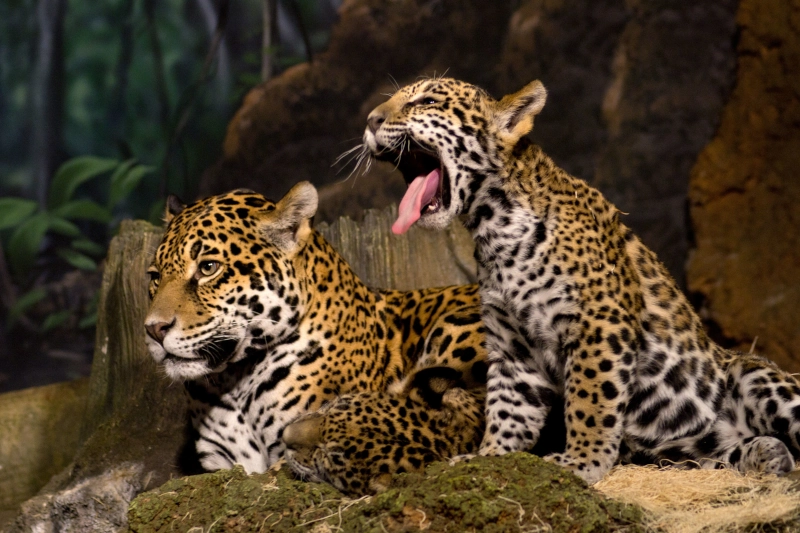
Sustainable Land Use
Promoting sustainable land use practices is crucial for preserving jaguar habitats. This includes responsible agriculture, forestry, and development that minimizes environmental impact. By adopting sustainable practices, we can reduce habitat destruction and support the coexistence of humans and wildlife.
Conservation efforts require global collaboration and commitment. By supporting international initiatives and partnerships, we can ensure the protection of jaguars and their ecosystems. Together, we can protect the Amazon Biodiversity and other important habitats, keeping a future for these amazing animals.
Conclusion: Celebrating the Panthera Legacy
In conclusion, jaguars and other Panthera animals show us the beauty of nature and the cultures where they live. Learning about them helps us take care of these cats and their homes. We need to protect them and the life around them.

