If your Amazon plan includes one thing that feels real (not staged, not glossy), make it a visit to the Taricaya Rescue Centre. It’s set on the banks of the lower Madre de Dios River, and it runs like a careful mix of clinic, shelter, and field project—only the patients have feathers, scales, claws, or prehensile tails.
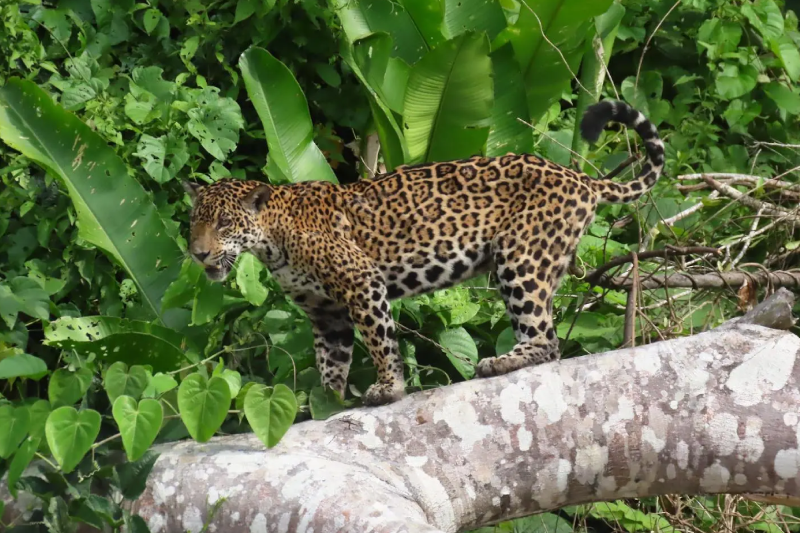
You’ll be in the rainforest, sure. But you’ll also be watching conservation happen in plain sight. That’s rare. And honestly? It sticks with you.
So, what is the Rescue Centre?
The Taricaya Rescue Centre was officially recognized by the Peruvian government in 2008 as a wildlife rescue facility. Its job is straightforward to say, harder to do: rescue animals displaced by habitat loss, illegal trafficking, and other human-caused impacts, then rehabilitate them, then return them to the wild when it’s safe and realistic.
That “when possible” part matters. Some animals can go back. Some can’t. It’s not a feel-good shortcut. It’s a case-by-case call, based on health, behavior, and the odds of survival out there.
The half-day visit: what you’ll actually see (and feel)
This is usually a half-day tour, and it moves at a good pace—enough time to take it in, not so long that you fade in the heat. As you walk the facility, you’ll see animals in different stages of recovery. Expect a mix of primates, birds, and reptiles under active rehabilitation.
You know what? The most powerful part isn’t the variety. It’s the stories. Staff often share the “intake to recovery” path for specific animals—where they came from, what shape they arrived in, and what the team had to solve. You’ll hear about setbacks, too. That’s the work.
Meet the residents (yes, there are a lot of them)
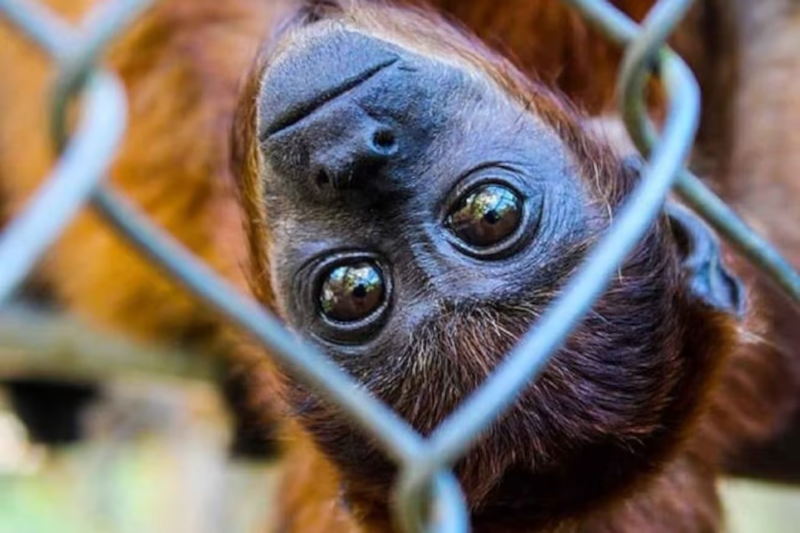
At any given time, the center may be caring for dozens of animals. One snapshot: 65 animals currently housed, including tapirs, bears, pumas, spider monkeys (maquisapas), howler monkeys (cotos), macaws, guans, curassows, and trumpeter monkeys.
Each animal has a backstory, and it’s not usually a happy one. Many were rescued by Serfor (Servicio Nacional Forestal y de Fauna Silvestre) and placed into the center’s care for treatment and rehabilitation. You may catch yourself reacting—sad, angry, hopeful, all in the same minute. That’s normal.
Rehab isn’t magic. It’s a workflow.
Here’s where the tone gets a bit more technical, because it should. Rehabilitation has steps: triage, treatment, conditioning, behavior checks, and then the big question—release readiness. Think of it like a quality gate in a project plan. If the animal can’t feed itself, move well, avoid people, and handle stress, releasing it can be a bad handoff.
Staff keep observations and case notes, adjust routines, and make careful calls. It’s slow. It’s steady. It’s also the only way this works.
The rainforest “balcony”: tower views and a bridge in the treetops
And then—because Taricaya doesn’t do bland—your visit can also include an observation tower and a suspension bridge that runs through the treetops. It’s a shift in perspective. Up there, the canopy isn’t just scenery; it’s an active neighborhood.
Bring binoculars if you’ve got them. You’ll have a better shot at spotting birds, and the panorama is the kind that makes people go quiet for a second. Why? Because it’s big. Because it’s alive. Because it reminds you what the rescue work is protecting.
Quick digression: the Rescue Centre is one piece of a bigger puzzle
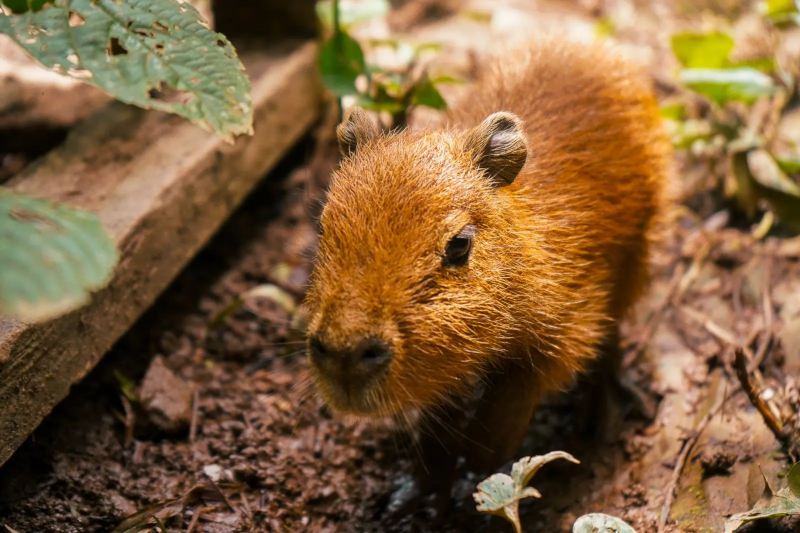
Taricaya Ecological Reserve is involved in broader conservation and research efforts too—things like reforestation, sustainable agriculture, and studies of local wildlife populations. That can sound like a long list. In practice, it’s a layered strategy.
Rescue handles the urgent cases. Habitat work tackles the root causes. Research keeps the team honest with data. Different lanes, same destination.
“Does my visit actually help?”
It can. By joining the tour, you’re not only learning—you’re also supporting the ongoing care that makes rehabilitation possible. It’s a small contribution, but small contributions stack up. Repetition helps: support, then support again. That’s how programs survive season to season.
Plus, you leave with a sharper sense of the rainforest’s balance—how easily it’s tipped, and how much effort it takes to steady it.
Small tips that make the day smoother
Keep it simple: light long sleeves, comfortable shoes, water, and bug protection. The heat can creep up on you. So can the humidity. And if rain shows up, it doesn’t ask permission.
If you’re the curious type, jot a few notes in your phone. Names, species, questions you didn’t get to ask. Later, those little scraps of memory turn into a story you can actually tell.
Leaving Taricaya with more than photos
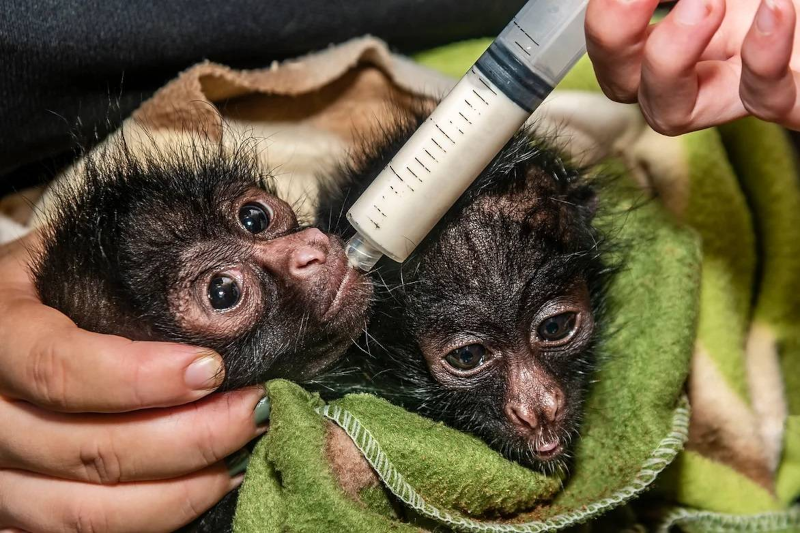
The Taricaya Rescue Centre is memorable for a slightly unexpected reason: it’s hopeful, but it doesn’t pretend. You’ll see the cost of human impact, and you’ll see the grit it takes to respond.
Then you’ll step onto a bridge in the canopy, look out over the amazon rainforest, and feel that quiet click of perspective. Not a bad way to spend half a day, right?

