

Peru is a country filled with wilderness and natural beauty. It has the sites of ancient ruins, the high Andes, as well as many of the most biodiversity-rich forests on Earth. Yet beneath its canopy and flowing rivers lies a diverse reptilian world of few glimpses. The snakes in Peru are the guardians of their ecological equilibrium. So, when you travel through the Amazon and enter the waters in Tambopata National Reserve, you are in a snake’s territory. As there are many different species, the following information can help you to know more about the species that are both venomous and non-venomous.

There are over 200 varieties of snakes that are found in Peru, and this makes the country one of the most productive regions of reptiles in South America. It is in this region that the biologists can observe some of the rarest snake species in the whole world.
Suppose you see these animals out in the wild on your trip in the dense forest. In that case, it becomes apparent that the snakes are quietly constructing the balance of nature.
They are a combination of intrigue and threat, and the ideal mixture of power and accuracy. Moreover, these venomous snakes perform a positive ecological role in controlling the population of rodents which are the carriers of dangerous illnesses.
The venomous animals, which are often ignored, are essential to the ecosystems of Peru. Their venom is not just a way to maintain equilibrium, but also offers potential medicinal value in the development of vital drugs.
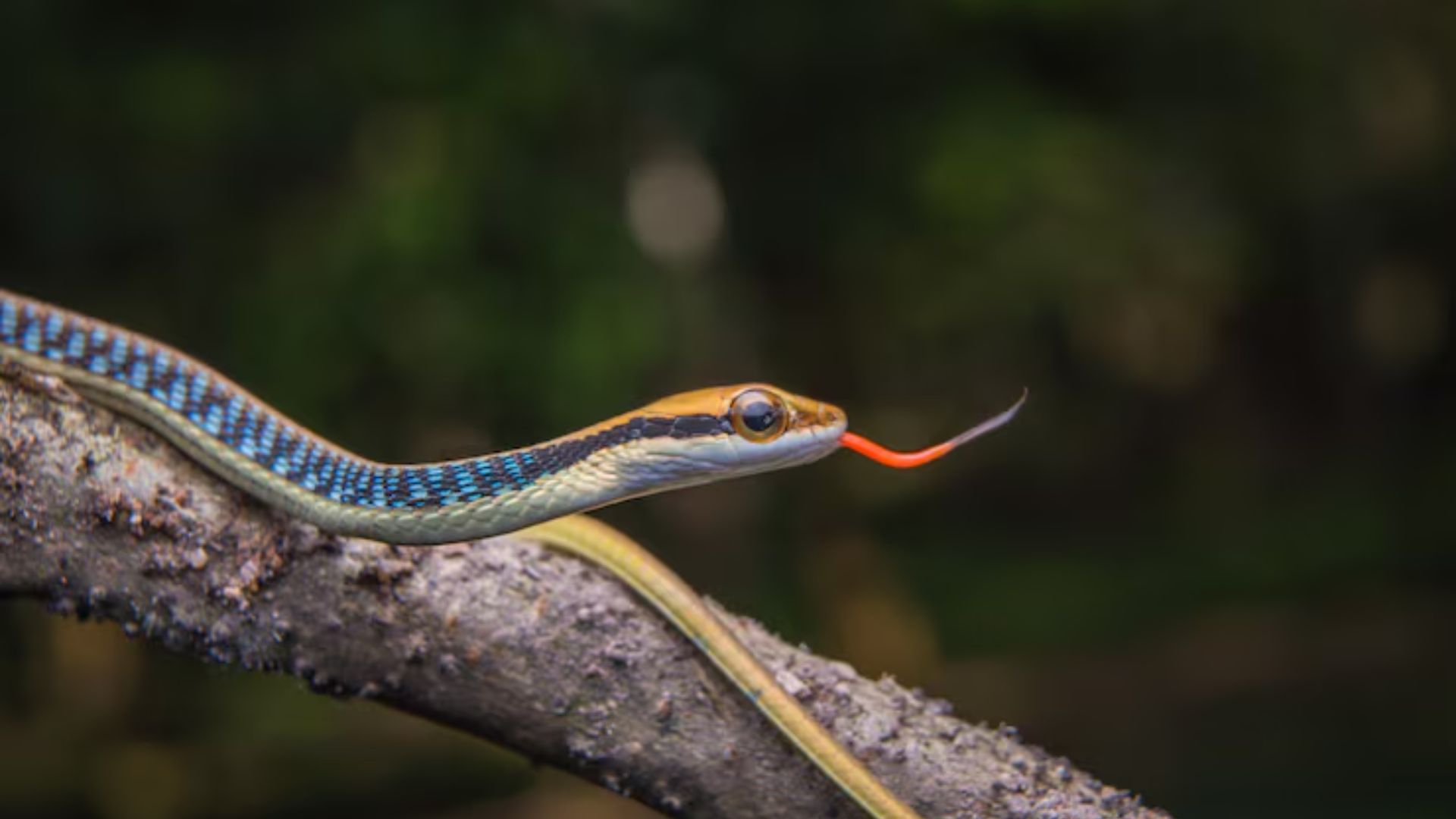
The location of the biodiversity regions on Earth is primarily in the southern part of the country, within national reserves. Simultaneously, it is among the most perfect locations where one can have a glimpse of the snakes in their natural habitat.
When you explore Tambopata, you gain a deeper understanding of ecosystems that provide them with food. Each snake you come across teaches you how delicate and interconnected the rainforest really is!
Despite the frequent coverage that is given to the venomous serpents, the non-venomous serpents of Peru are as beautiful. In addition, the scene when an animal comes out of the river banks is among the most unforgettable.
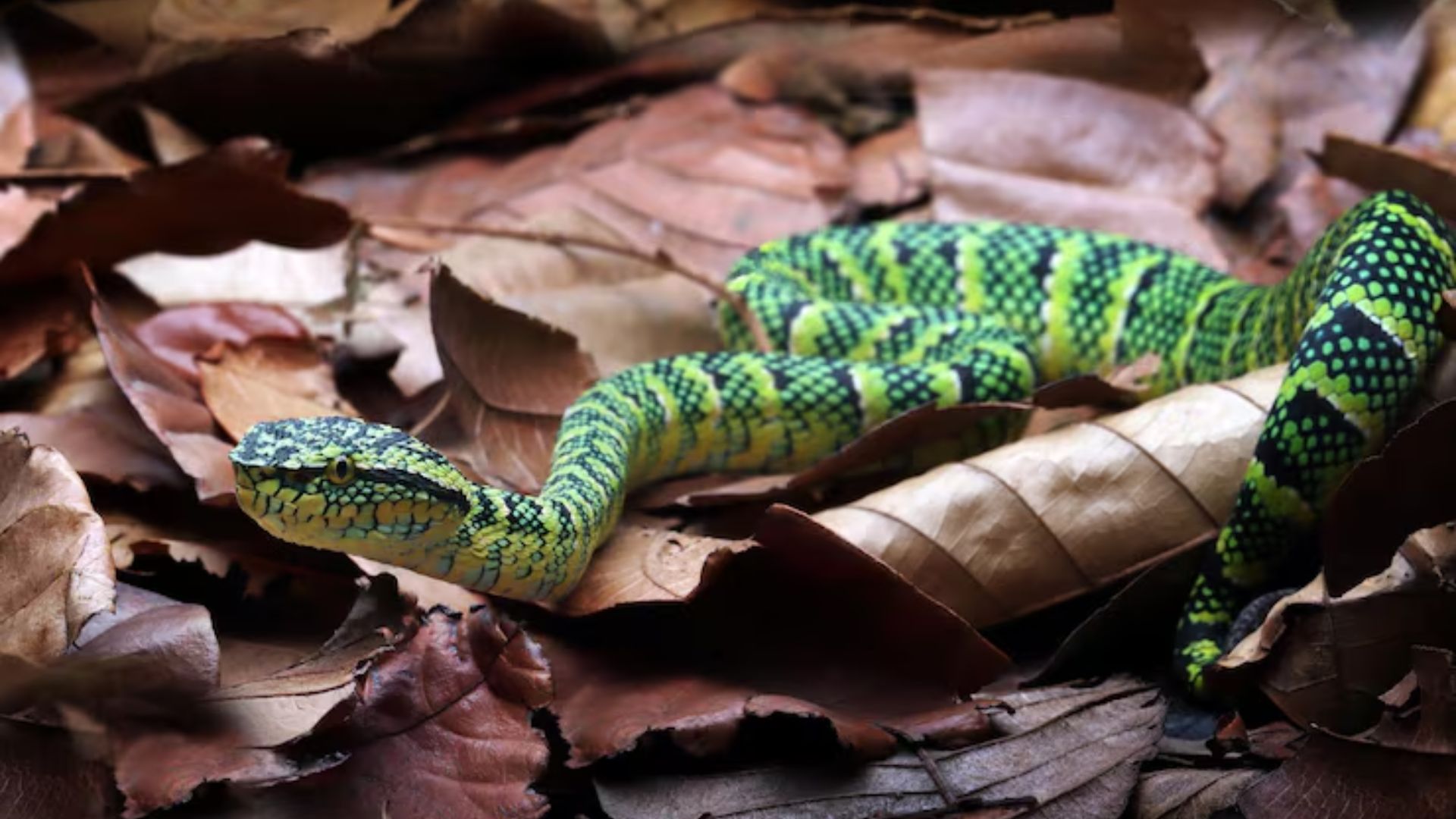
The ancient stories often depicted snakes as symbols of evil or danger, which led to decades of confusion and misunderstanding. Local Amazonian tribes, however, viewed snakes as powerful spirits and protectors of the Earth, bridging the human and natural worlds:
Conservation efforts that are modern in Peru attempt to overcome this gap in culture. It raises awareness, helps with the conservation fund, and assists communities in their locality to thrive.
If you’ve always dreamed of seeing these majestic reptiles at their home in the wild, Paradise Yakari is the ideal choice. Each journey you take on Paradise Yakari is designed for people looking for wildlife and its various species.
Snakes of Peru symbolize the diversity of the whole region and its beauty. Moreover, the exploration of Tambopata National Reserve snakes gives an entirely new view of nature. Finally, make plans for your trip to Paradise Yakari and discover the wonders of Peru.