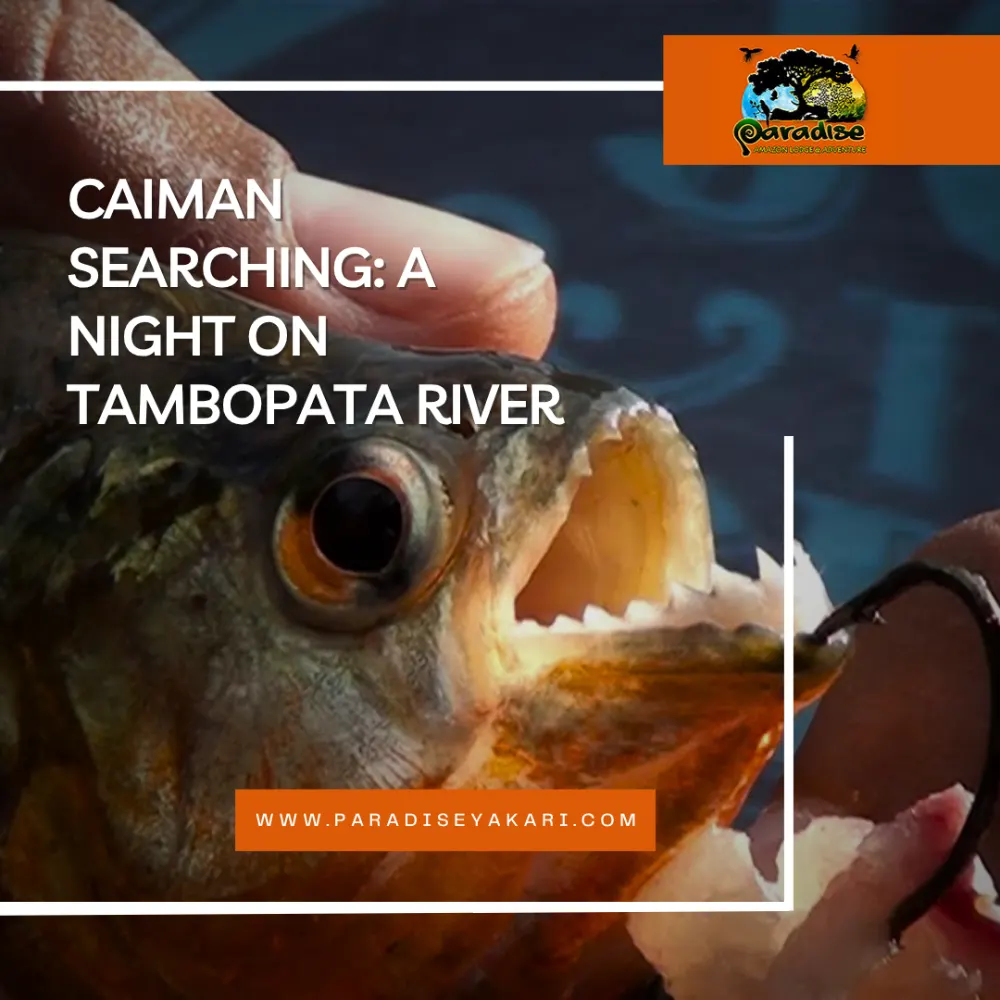
Nobody comes back from the Amazon describing piranha fishing the way they expected it to go. The reputation built around these fish over decades of bad cinema has almost nothing to do with what actually happens on the water. What actually happens is quieter, more technical, and considerably harder to forget than any movie version ever managed to be.
Where to go
Not all of the Amazon fishes are the same. Peru has millions of acres of rainforest and the differences between regions matter more than most travel guides acknowledge. Water type, seasonal flooding patterns, wildlife density, and access all vary enough that destination choice shapes the entire experience.
The Southern Amazon: Tambopata
Tambopata in the Madre de Dios region is the southern option and the one with the most established infrastructure for this kind of trip. Tambopata national reserve peru protects one of the highest concentrations of species of any reserve in South America, and that biodiversity extends below the waterline as much as above it. Lodges in this area work piranha fishing into broader itineraries rather than treating it as a standalone novelty, which changes the context of the activity significantly.
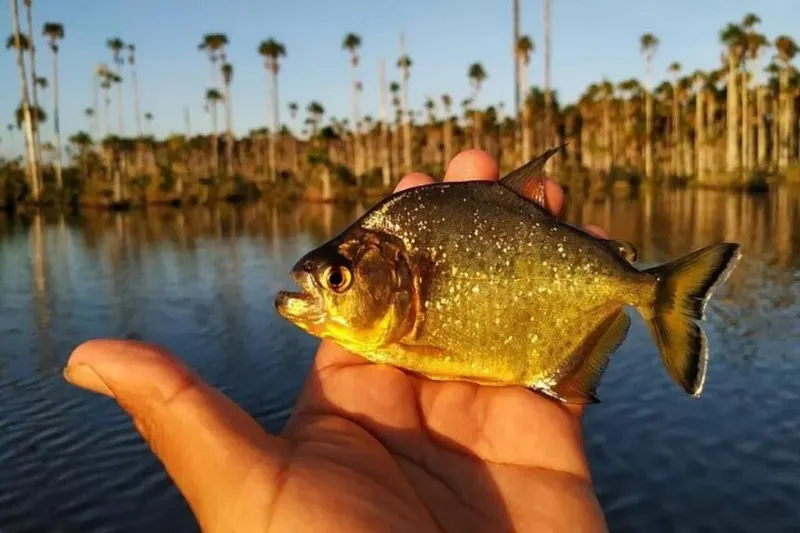
Yakumama Lake sits within this territory. It is an oxbow lake, meaning a former river bend that got cut off from the main channel over time and settled into something quieter and more enclosed. A Tour Piranhas in Yakumama Lake gives access to water conditions that concentrate wildlife in ways that open river fishing simply does not. Palm trees ring the banks, the surface holds flat most mornings, and the surrounding jungle stays close enough that the experience never feels like open water.
The Northern Amazon: Iquitos
Further north, Iquitos opens the door to Pacaya Samiria National Reserve. Locals call it the River of Mirrors. It is a vast flooded forest and by most accounts the most productive fishing ground in the entire Amazon basin. Different vibe from the south, different species density, worth knowing about as an alternative for travelers coming from the northern entry points.
What is swimming under the boat
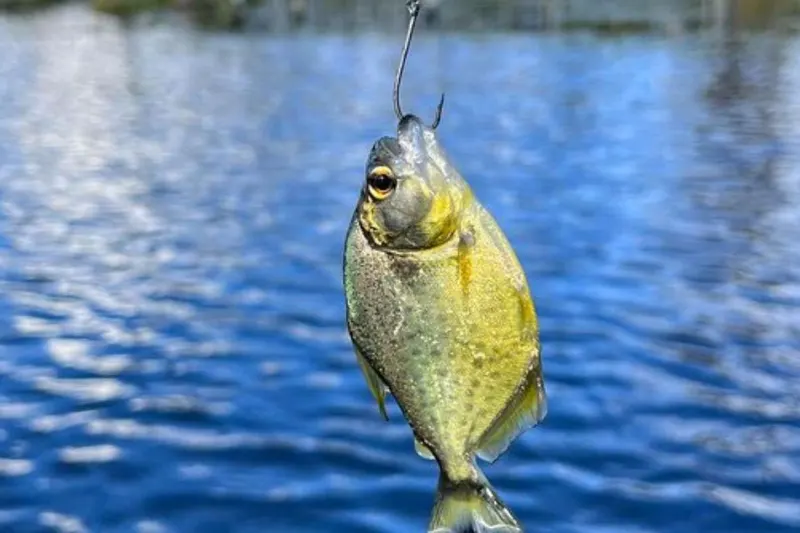
Two species of piranha fish matter for fishing purposes and they are nothing alike. The red-bellied piranha fish is social, moves in schools, and has the vivid orange-red underside that most people picture when they hear the word piranha. The black piranha fish is a different animal entirely: solitary, significantly heavier, and recorded as having the strongest bite force of any bony fish on the planet. Catching black piranha means targeting deep slow channels and flooded forest sections rather than open lake water.
The danger question never goes away and the answer never changes. Normal water conditions make piranhas scavengers with limited interest in anything larger than their usual prey. The situations where real risk exists involve extreme low water combined with severe food scarcity, and responsible guides structure trips specifically to avoid those conditions. That is worth knowing before the trip rather than after it.
How local communities actually live alongside piranhas
How do local people in the amazon live with piranhas comes up on nearly every guided fishing trip, usually from someone who arrived expecting the Hollywood version. The actual answer is that riverside and indigenous communities have fished these waters for centuries without the fear that outside visitors tend to bring with them. Children swim in piranha-inhabited rivers. Adults wade through the same channels regularly. The fish gets eaten multiple times a week in communities throughout the basin.
What local people have that visitors lack is an accurate read on conditions. They know which water levels signal genuine caution, which seasons change the fish behavior, and which specific locations require more awareness than others. That knowledge is not written down anywhere useful. It lives with the guides, and it is the main reason going with a local guide is worth more than any gear or technique tip available online.
Fishing gear and what actually works
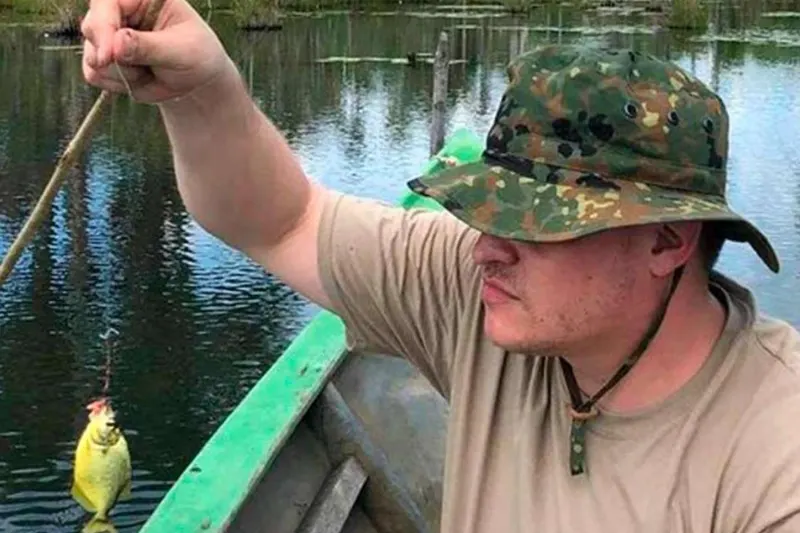
The fishing gear that produces results here looks nothing like what most visiting anglers pack. Tackle boxes, multiple rod setups, electronic depth finders, none of that. A bamboo pole with a fixed length of line is what local guides use and what continues to outperform modern alternatives in these conditions. The pole transfers bite sensation directly to the hand with a sensitivity that rod-and-reel setups cannot match on water this still.
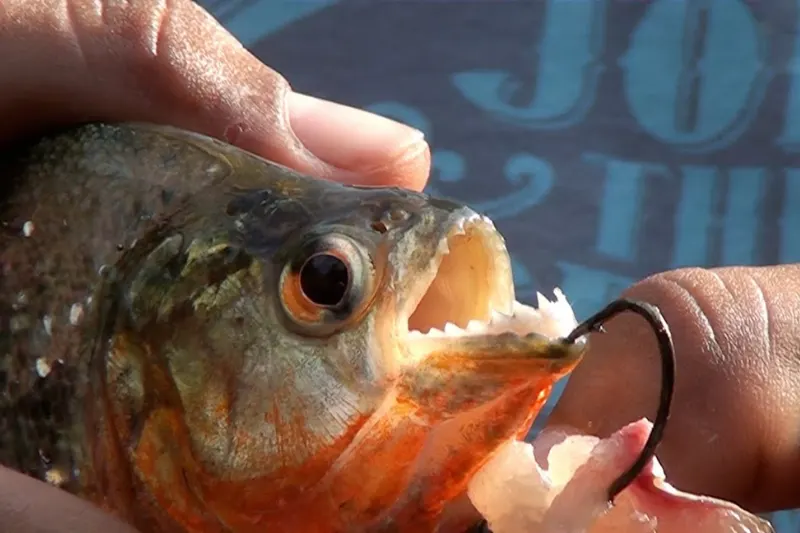
The one piece of fishing gear that is genuinely non-negotiable is a bite-proof steel leader between the line and the hook. Piranha teeth are interlocking and they cut monofilament line instantly on the first good strike. No leader means losing fish, losing hooks, and spending the trip re-rigging instead of fishing.
Bait is fresh raw beef, diced small. Artificial lures produce nothing here worth mentioning. Blood and scent from fresh meat diffuse fast in still water and draw fish toward the boat within minutes of dropping. Before the bait goes in, slapping the bamboo tip repeatedly against the water surface mimics wounded prey or falling fruit and triggers predatory responses before the meat even reaches depth.
When to go and why the timing actually matters
Water levels run the Amazon calendar and fishing follows those levels exactly. Wet season runs December through May. Rivers swell, the jungle floor floods, and fish spread across an enormous area of newly accessible forest to feed and spawn. Finding concentrations during these months is genuinely difficult and the effort rarely produces the kind of fishing that makes the trip memorable.
June through November is when fishing piranha delivers. Floodwaters recede, fish crowd into shrinking lakes, isolated pools, and main channels, and competition for food gets intense enough that strikes come frequently and fast. A Tour Piranha Fishing in Santa teresa Lake during these months shows exactly what the dry season concentration effect looks like in practice. The difference between the two seasons is large enough that timing the trip correctly matters as much as destination choice.
What surrounds you on the water
Fishing in this environment means sharing the water with a complete ecosystem rather than sitting on a quiet pond. The amazon rainforest plants at the waterline are part of what makes every oxbow lake look the way it does. Victoria amazonica lily pads cover sections of still water in the dry season. Flowering bromeliads sit in the branches above the waterline. The canopy overhead runs unbroken in most of these locations and creates a density of green that does not translate well into photographs no matter how good the camera is.
The animals that live in the amazon rainforest do not stay at a respectful distance while fishing is happening. Giant river otters work the same channels. Hoatzins sit in low branches directly over the water and watch with genuine indifference. Caimans appear along banks toward dusk with enough regularity that guides point them out as routine. None of this is background scenery. It is active and present throughout the time on the water and it changes what the experience feels like compared to fishing anywhere else.
Hooking, landing, and handling
Piranhas are fast bait thieves. The gap between first contact and a clean hook is a fraction of a second, and hesitating means finding an empty hook with no explanation for where the bait went. Sharp tapping on the line means a quick hard upward jerk immediately. After that, swinging the fish smoothly into the boat rather than letting it dangle and shake keeps it from throwing the hook mid-air and landing somewhere inconvenient.
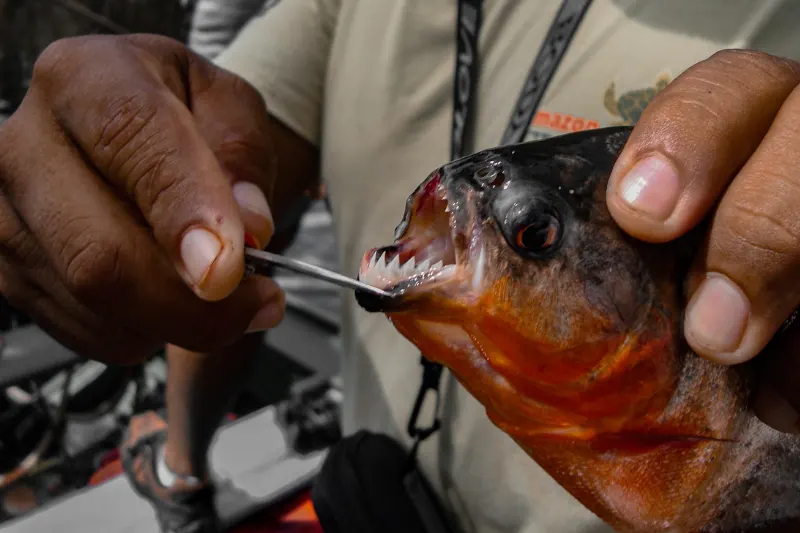
Unhooking is where attention matters most. The teeth work just as well out of the water as in it and the fish stays dangerous until it stops moving. The sequence that works:
- Grip firmly behind the gills and keep the hand away from the mouth for the entire process, not just at the start.
- Use long-nosed pliers to take hold of the hook before attempting any removal, without exception.
- Twist and pull the hook free with the pliers only, and hand the fish to the guide immediately if any part of this feels uncertain.
Eating what you caught
Piranha is not a novelty food prepared for tourists. It is a dietary staple across riverside communities throughout the Peruvian Amazon and has been for as long as those communities have existed. Fried whole or boiled into a stew are the two standard preparations. The soup version is what most visitors remember: rich broth, strong savory flavor, protein-dense in a way that makes sense after a morning on the water.
The meat itself is sweet and tender and considerably better than most first-timers expect. The bones are numerous and require attention while eating, which is the only real complaint most people have. Some indigenous communities regard the soup as a natural aphrodisiac, a claim with a long local history regardless of what outside opinion makes of it. That layer of cultural context adds something to the meal that goes beyond the food itself.
What this trip actually delivers
Fishing piranha in the Peruvian Amazon is not a performance of wilderness. The techniques are old, the environment is genuinely remote, and the pace of the activity creates a particular kind of attention to the water and the jungle around it that more dramatic activities tend to override. Most people who try it describe the experience as more absorbing than they expected and less frightening than they were prepared for.
The fish is almost incidental to what the trip actually provides. Time on the water in functioning wilderness, using methods that predate tourism by several centuries, surrounded by an ecosystem that operates entirely on its own terms. That combination is harder to find than most Amazon itineraries suggest.
Frequently asked questions
Where are the best places in Peru to go piranha fishing?
Tambopata in the Madre de Dios region is the main southern destination, with lodges pairing fishing with broader wildlife activities and Yakumama Lake offering concentrated oxbow lake conditions, while the northern option via Iquitos leads into Pacaya Samiria National Reserve, a vast flooded forest widely regarded as the most productive fishing ground in the Amazon basin.
When is the best time of year and why does it matter so much?
The dry season from June through November concentrates fish into shrinking lakes and isolated pools where food competition intensifies and strikes come readily, while the wet season from December through May spreads fish across flooded forest making them far harder to locate, and the difference between seasons is significant enough to matter as much as where the trip happens.
What fishing gear and bait produce results here?
A traditional bamboo pole with fixed line outperforms modern tackle for bite sensitivity in still water, always used with a bite-proof steel leader since piranha teeth cut monofilament instantly, with fresh diced raw beef as bait and repeated surface slapping before dropping it to trigger predatory responses before the meat reaches depth.
Are piranhas actually dangerous and what species are common?
In normal conditions piranhas are opportunistic scavengers that pose little genuine threat to people, with risk limited to extreme low water and food scarcity scenarios that responsible guides avoid, and the two species most commonly caught are the social red-bellied piranha and the solitary powerful black piranha that prefers deep slow channels.
How do I handle a piranha after catching it and is it worth eating?
Set the hook fast at the first tapping, swing the fish into the boat smoothly, grip behind the gills and use long-nosed pliers for unhooking while keeping fingers away from the mouth, or let the guide handle it. Piranha eaten fried or as soup is genuinely good, with sweet tender meat that requires care around the bones, and the soup carries cultural significance in many riverside communities beyond its nutritional value.