When we think of the Amazon, we often imagine thick rainforests and many kinds of wildlife. Among these, Amazon snake species are some of the most interesting animals. The Amazon Basin, spanning several countries in South America, has many snake species, and scientists are still discovering and naming new ones. In this article, we will explore the amazing world of Amazon snake species, where they live, and some important discoveries in recent years.
The Amazon: A Biodiversity Powerhouse
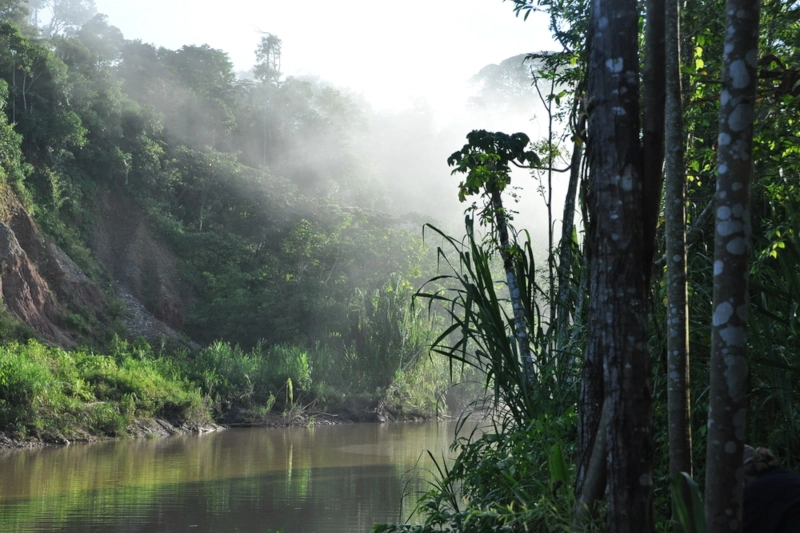
The Amazon rainforest is one of the most diverse places on Earth. It covers over 2.1 million square miles and stretches across several South American countries. This huge jungle is perfect for many reptiles, including many snake species.
Snakes play an important role in keeping the Amazon ecosystem balanced. They control the number of animals they eat, such as rodents, birds, and other small animals. This helps stop overpopulation and prevents the spread of diseases.
Adaptations That Help Snakes Thrive
Snakes in the Amazon have special features that help them live in the jungle. Some are very good at hiding, blending in with the forest floor or tree bark. Others have strong venom to quickly catch their prey. These traits help snakes survive in a dangerous and competitive environment.
Notable Snake Species of the Amazon Basin
The Amazon has many types of snakes, each with unique traits. Here are some of the most famous ones:
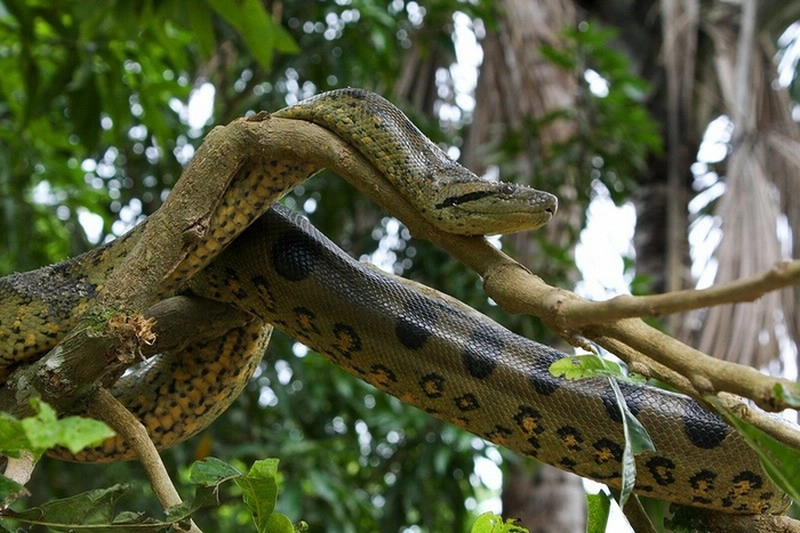
The Green Anaconda is perhaps the most well-known Amazon snake. It is the largest snake in the Amazon River Basin, growing up to 30 feet long and weighing over 500 pounds. Even with its size, it swims well and hunts in the water. It can catch fish, birds, and even big animals like capybaras.
The Boa Constrictor is another well-known snake in the Amazon. It has a distinct pattern and can grow up to 13 feet long. Unlike anacondas, it kills prey by wrapping its strong body around it and squeezing until the prey cannot breathe.
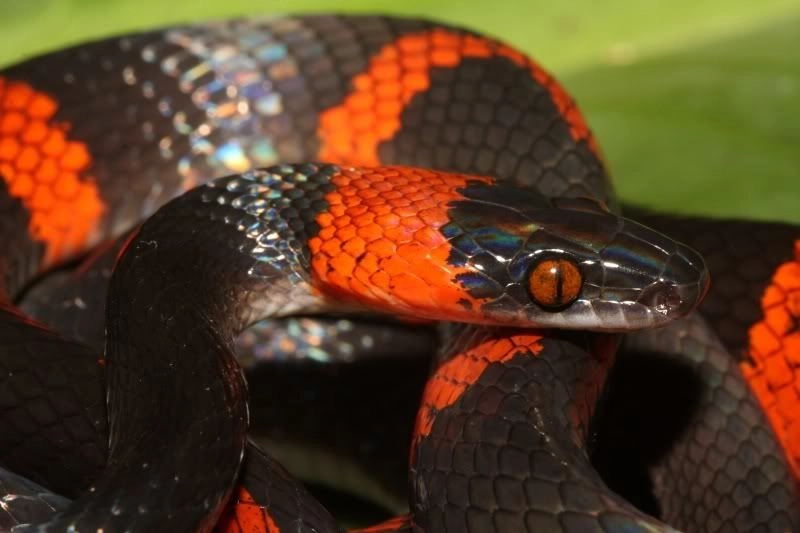
Coral snakes are small but very venomous. Their bright colors warn predators to stay away. They are usually not aggressive, but their venom can be deadly if untreated. They mainly eat small reptiles and amphibians.
New Discoveries in the Amazon Rainforest
The Amazon is so big and unexplored that scientists keep finding new snakes. These discoveries are important to understand how the jungle works and to protect its animals.
The Tambopata region in Peru is a popular place for research and discoveries. It is full of many kinds of animals, and scientists have found several new snake species there in recent years. These snakes have special traits and behaviors that help researchers learn more about how they live.
Environmental Threats to Amazon Snake Species
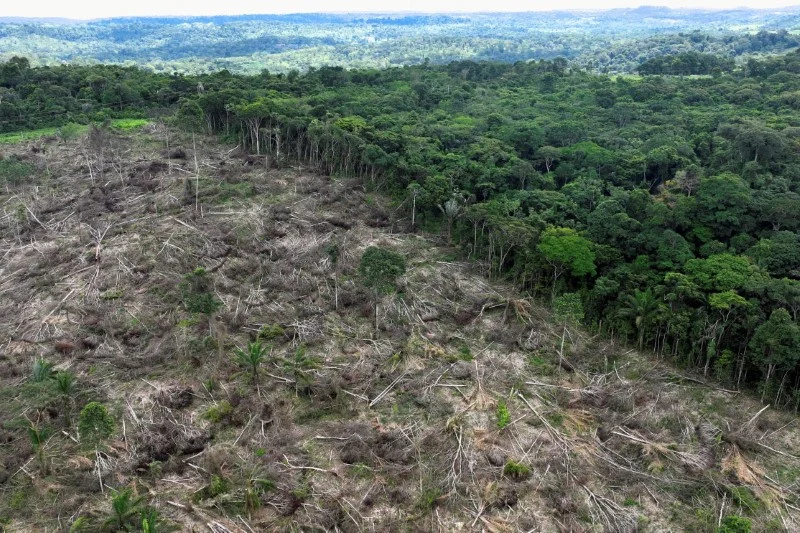
The Amazon rainforest faces serious problems from deforestation, climate change, and human activity. These changes threaten snakes and other animals that live there. Studying new species helps scientists understand how these problems affect wildlife and what can be done to protect it.
Protecting the Amazon is not easy. It requires countries to work together and use sustainable practices. Efforts include protecting important areas, supporting safe farming, and enforcing anti-deforestation laws. Challenges remain, and ongoing research is needed to keep the Amazon and its wildlife safe.
The Role of Indigenous Communities in Conservation
Indigenous communities play an important role in protecting the Amazon. Their traditional knowledge and careful ways of living help keep the rainforest safe. Working with these communities can improve conservation efforts and make sure vital areas stay protected.
Conclusion: Protecting the Amazon’s Snake Diversity
The Amazon Basin is full of life, and snakes are a key part of its ecosystem. From the giant Green Anaconda to the colorful Coral Snake, these reptiles attract both scientists and nature lovers. As new species are discovered and conservation efforts increase, there is hope that these snakes and their homes will survive for future generations.
By learning why these species matter and understanding the threats they face, we can help protect the Amazon rainforest and its amazing biodiversity. Let us keep exploring, discovering, and caring for the wonders of the Amazon for the benefit of all living things.

