When it comes to tropical birds, few are as striking as the Cock of the Rock Rupicola. This bird, with its bright feathers and strong presence, is a true marvel of nature. In this article, we explore the Cock of the Rock, looking at its traits, cultural role, and place in the Andes’ amazing landscapes.
The Rupicola stands out with its vivid orange-red feathers and fan-shaped crest. It belongs to the Cotingidae family and is scientifically called Rupicola peruvianus. The bird lives in the cloud forests of the Andes, thriving in humid, dense areas.
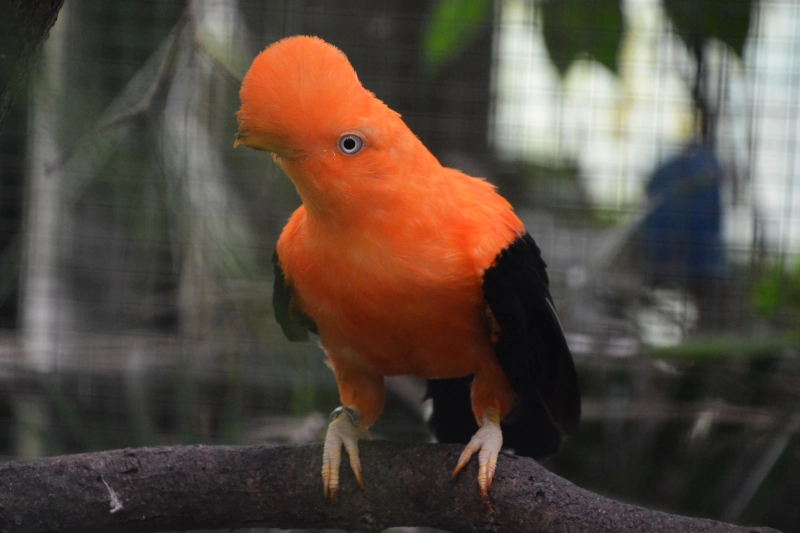
A Display of Color and Courtship
One of the most amazing things about the Cock of the Rock Rupicola is its courtship display. Male birds gather in open areas called leks to dance and show off. They hop, flap their wings, and make a series of calls to attract females.
This performance is not just beautiful, it is vital for mating. Watching the Andean Cock in action is a fascinating experience.
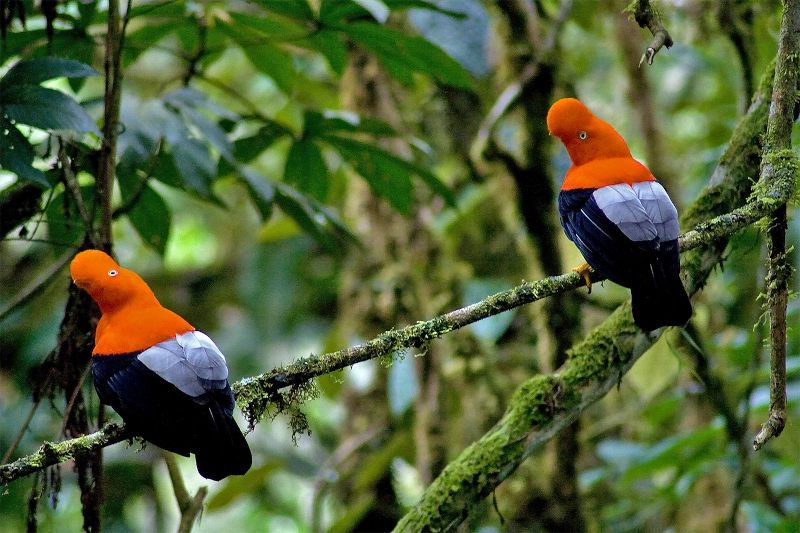
Habitat and Distribution
The Cock of the Rock lives in subtropical and tropical moist forests across the Andes. Its range goes from Venezuela to Colombia, Ecuador, Peru, and Bolivia. These forests give the perfect setting for the bird’s bright colors and active lifestyle.
Cultural Significance in Andean Societies
The Cock of the Rock Rupicola has a special place in Andean culture. Its bright feathers and dramatic displays have inspired myths, stories, and artworks among local people.
Symbol of Beauty and Vitality
In many Andean cultures, the Cock of the Rock represents beauty and vitality. Its bright plumage symbolizes the forest’s life and energy. People often show it in art and textiles, highlighting its cultural importance.
Linguistic Nuances and Folklore
The Cock of the Rock Rupicola is also interesting for language and folklore. Its Quechua name, “Tunki,” reflects the region’s rich linguistic heritage. Local stories sometimes show it as a magical creature connecting spiritual and natural worlds, adding meaning to its role in culture.
The Cock of the Rock in Modern Wildlife Photography
Bird watchers and photographers love the Andean Cock for its bright feathers and lively behavior. Capturing this bird on camera is a challenge, as its orange-red plumage contrasts sharply with the green forest background.
Techniques for Photographing the Cock of the Rock
To photograph the Rupicola, you need patience and skill. Photographers often hide near leks to watch courtship displays. Early morning and late afternoon are best, as the birds are most active then.

Contributing to Conservation Efforts
Wildlife photography helps protect the Cock of the Rock and its habitat. By showing its beauty and behavior, photographers raise awareness about preserving the delicate forests of the Andes.
Challenges and Conservation Efforts
This Andean Bird faces threats like deforestation, habitat loss, and climate change. Conservation groups work hard to protect the bird and its forest home.

Community Involvement and Ecotourism
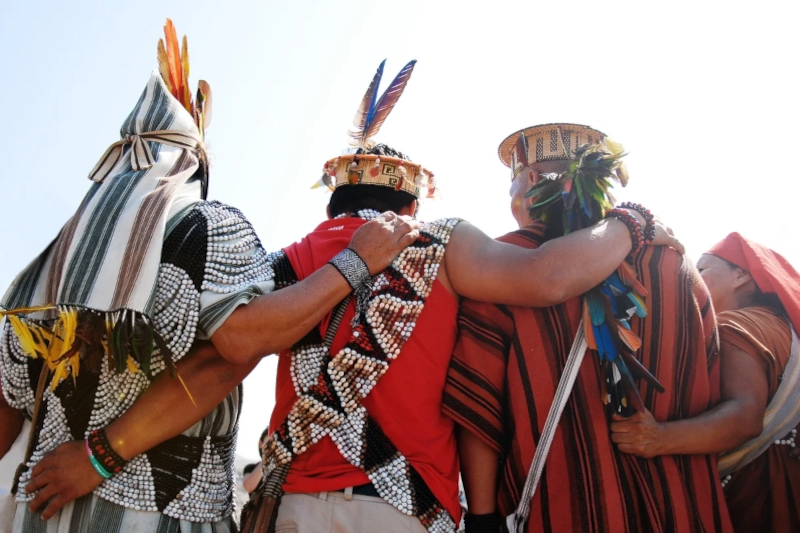
Local Andean communities help protect the Andean Cock. Ecotourism provides jobs while teaching visitors about the bird and its habitat. Tourists can watch courtship displays and learn why these birds are important for the ecosystem.
Protecting the Cloud Forests
Saving the Andes’ cloud forests is crucial for the Cock of the Rock Rupicola and many other species. Conservation work includes reforestation, sustainable land use, and education about biodiversity.
Conclusion: The Legacy of the Cock of the Rock
The Cock of the Rock Rupicola is more than a bird; it is a symbol of the Andes’ beauty and culture. Its bright feathers and lively behavior inspire awe. Learning about this bird helps us understand the balance of nature and the region’s cultural heritage. By protecting the Andean Cock, we ensure future generations can enjoy its amazing displays and the forests it calls home.

