You’ve booked Peru. Nice. Now you’re staring at a travel clinic page at midnight thinking, do you need yellow fever vaccination for Amazon trips—especially if you’re heading to Tambopata?
Let’s make it plain: if you’re a U.S. traveler flying into Peru, the yellow fever vaccine is usually not legally required to enter the country. But for Tambopata (in Peru’s Amazon region), it’s often strongly recommended. And if you’re hopping borders afterward, that “recommended” can quickly turn into “show me your proof.”
Yellow fever explained
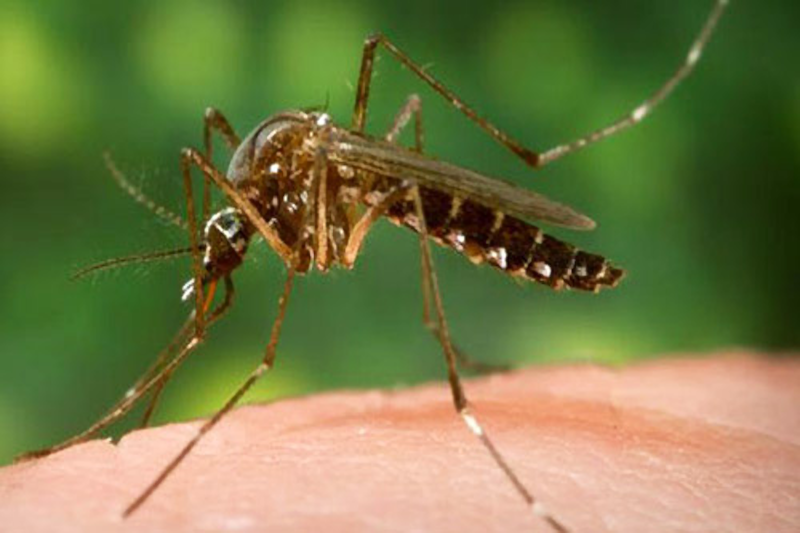
Yellow fever is a virus spread by mosquitoes. That’s the headline. The jungle detail is that the virus can circulate between mosquitoes and monkeys in forest areas. Humans get pulled into the loop when we show up for a few days of hiking, boat rides, and “wow, I can’t believe this is real” wildlife spotting.
And here’s the annoying part: you can’t tell which mosquito is the problem. So public health agencies treat yellow fever as a risk-management issue. There’s no quick medication that wipes it out once you have it. Care is supportive, and severe cases can be dangerous.
Yellow fever symptoms (and the moment you stop guessing)
After an infected bite, symptoms usually show up about 3 to 6 days later. Early yellow fever symptoms can look like a tough flu:
- Fever and chills
- Headache
- Muscle aches (often back pain)
- Nausea and fatigue
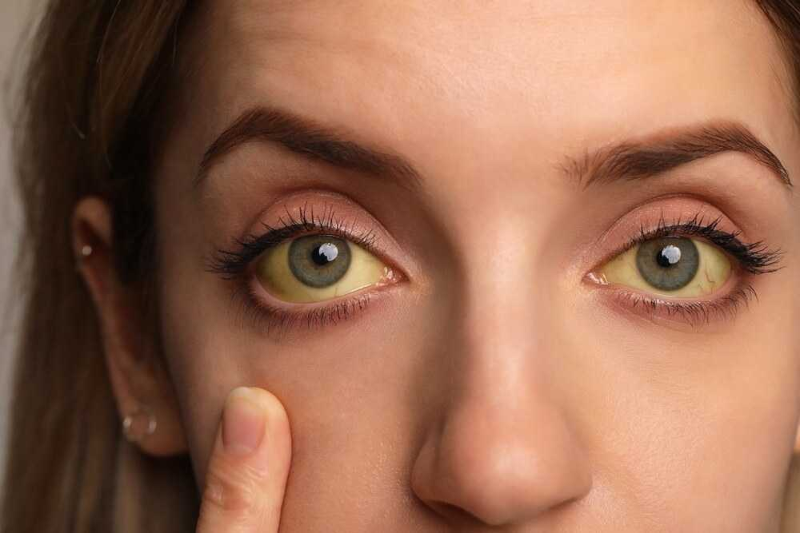
Some people recover after that first wave. Others get a second, more severe phase that can involve jaundice (yellow skin and eyes), belly pain, vomiting, and bleeding. That’s uncommon, but it’s the reason the vaccine exists and the reason clinicians don’t shrug this off.
One more thing—because it matters in the Amazon: lots of illnesses can start as “fever + aches.” Dengue can feel brutal. Malaria can sneak up, then hit hard. So if you get a fever during your trip or within weeks after you’re home, treat it like a priority task. Tell the clinician you were in yellow fever Amazon Peru territory (Madre de Dios). That context changes the workup.
So… is the vaccine mandatory for Tambopata?
For most U.S. travelers entering Peru, no—the vaccine isn’t typically required for entry. But Tambopata is in an area where yellow fever transmission can occur, so major travel health authorities commonly recommend vaccination for travelers going to the Amazon basin.
Now for the mild contradiction: you may not “need” the vaccine to land in Peru, but you might “need” it for your whole itinerary. If you’re doing the classic South America combo—Peru plus Brazil, Colombia, or even a long layover that triggers health checks—you could be asked for proof that you’re vaccinated because you’ve been in an at-risk area.
That’s where people get tripped up. They plan for Peru, but immigration rules sometimes care about where you’ve been in the last few weeks, not where you were born.
My practical travel-office advice: Think of the vaccine as both health protection and documentation. It’s like having the right visa or the right name on your ticket—most of the time you won’t be asked, until the one time you are.
The “Yellow Card” (yes, it’s real, and yes, you should guard it)
Proof of vaccination goes on the International Certificate of Vaccination or Prophylaxis, often called the Yellow Card. If a country requires proof, they usually want the physical certificate with the official stamp and signature.
Keep it with your passport. Not in your checked bag. Not tucked inside your dry bag “for safekeeping.” With your passport.
When to get the yellow fever vaccine (timing is the whole point)
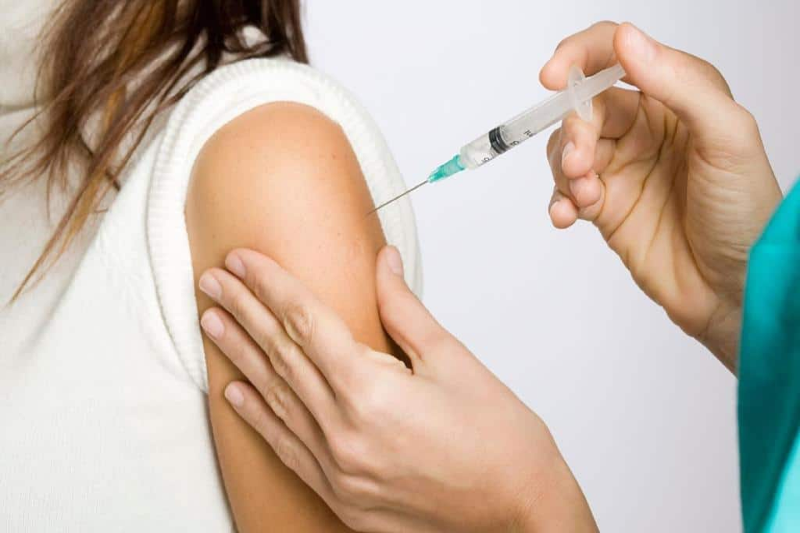
If you’re getting vaccinated, do it at least 10 days before you enter the risk area. That’s when the certificate becomes valid for many border checks, and it’s also when your immune system has had time to build solid protection.
Most people get long-lasting protection from a single dose. Travel medicine clinics will tell you what applies to you—especially if you have a complicated health history or a tight travel schedule.
In the U.S., you’ll usually get the shot at an authorized travel clinic (not every primary care office carries it). If you’re the kind of person who likes a checklist, bring your itinerary, your vaccine history, and any medication list. It turns the visit into a clean, efficient consult instead of a guessing game.
Is the vaccine safe? Usually, yes. Sometimes, it’s a “let’s talk first.”
For most healthy adults, the yellow fever vaccine is safe and side effects are mild—sore arm, low fever, a day where you feel like you worked a double shift. Then it passes.
But it’s a live vaccine, so some groups need a real conversation with a clinician:
- Adults over 60
- Pregnant or breastfeeding travelers
- People with weakened immune systems (or immune-suppressing meds)
- People with serious egg allergies (many vaccines are made using eggs)
- Infants and young children (rules vary)
If vaccination isn’t advised, a travel medicine provider may discuss alternatives, route changes, or documentation such as a medical waiver (when appropriate). It’s not a DIY situation.
Travel health tips for the Amazon that aren’t glamorous, but work
Even if you’re vaccinated, mosquitoes can still hand you a miserable souvenir—dengue, zika, chikungunya, and sometimes malaria, depending on where you go. So the daily goal is simple: reduce bites.
- Use a solid repellent. Look for DEET (often 20–30%), picaridin, or IR3535. Reapply like you mean it, especially after sweating or swimming.
- Treat clothing with permethrin. You can buy pre-treated gear or treat your own. It’s low drama and high payoff.
- Wear long sleeves and pants at peak mosquito times. Dawn and dusk are busy hours for mosquitoes—and also prime time for wildlife viewing. Protect yourself while you get the good photos.
- Sleep with barriers. Use bed nets if provided, close screens, and don’t assume “eco-lodge” means “sealed.” Jungle air finds gaps.

Small digression that saves trips: pack oral rehydration salts and a thermometer. If you get stomach issues or a fever, those two items turn panic into a plan. Also, travel insurance isn’t exciting, but evacuation from remote areas can be expensive—Tambopata is beautiful, and it’s not next door to a major hospital.
Tambopata specifics: your risk changes with your style of travel
“Amazon trip” can mean a day tour from Puerto Maldonado—or several nights deeper in the reserve with long hikes and river travel. More time outdoors, more dawn/dusk exposure, and more remote lodging can raise risk. That’s not fear-mongering; it’s a basic risk assessment.
If your plan includes early-morning clay licks, night walks, or long time on the river, build mosquito protection into your routine the way you build coffee into your morning. Same idea. Non-negotiable.
What I’d tell a friend heading to Tambopata
If you’re a U.S. traveler going to Tambopata, I’d treat the vaccine as strongly recommended, even if it’s not strictly required to enter Peru. Then I’d layer on mosquito protection and keep your documentation tidy.
And if you’re unsure—because of age, pregnancy, a medical condition, or a packed itinerary—book a travel clinic visit and bring your route. A good clinician will give you a clear yes/no and help you plan the safest path forward.
The Amazon is not a theme park. That’s part of the magic. Handle the health prep now, and later—when the jungle’s loud at night and the air smells like wet leaves—you’ll be thinking about the experience, not the “what if.”

