Amazon Shelter is a wildlife rehabilitation and animal sanctuary setting in Tambopata national reserve, built around a simple but demanding purpose: helping wild animals recover from harm, displacement, or human conflict. For visitors, it offers a practical look at wildlife conservation in action, not as an abstract idea, but as daily care, observation, patience, and respect for the natural world. Understanding how a place like this works helps travelers make better choices when they visit the Amazon and encounter animals along the way.
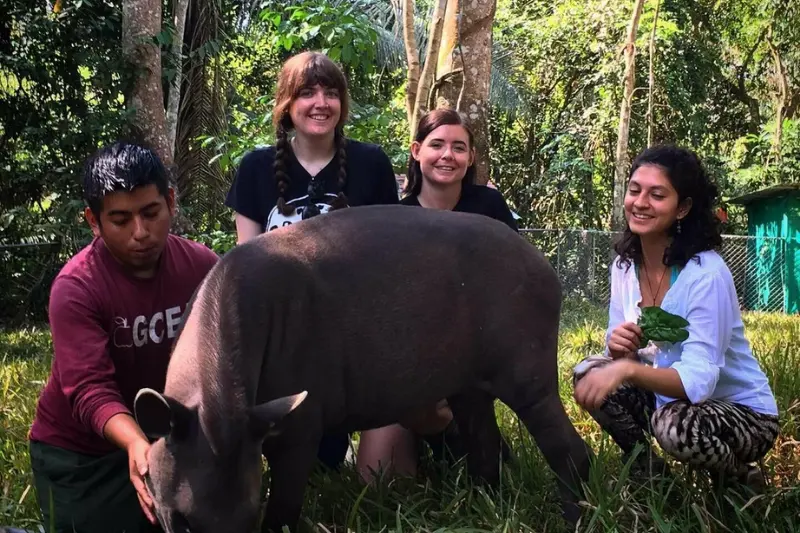
What does Amazon Shelter do for wildlife?
Amazon Shelter supports animals that cannot simply survive on their own after injury, abandonment, trafficking, or contact with human activity. The work of a wildlife rehabilitation center goes beyond feeding and housing animals; it involves assessing their condition, reducing stress, encouraging natural behaviors, and determining whether release may be possible. When release isn’t safe or realistic, an animal sanctuary can provide long-term care in a setting designed around the animal’s welfare rather than entertainment.
That distinction matters. Ethical rehabilitation differs from keeping animals as attractions. The focus stays on protection, recovery, and education, with human access managed carefully so animals are not treated as props or pets.
Tambopata is a living classroom
Tambopata is widely associated with rich rainforest habitats, winding rivers, and remarkable biodiversity, home to the species catalogued in Top Animals You’ll Find in the Tambopata Amazon Rainforest. In a place where wildlife is part of everyday life, conservation work carries visible urgency. Habitat pressure, illegal trade, road accidents, unsuitable pet ownership, or accidental injury near human settlements can all affect animals.
A rehabilitation space in this region helps connect individual animal care with the bigger picture of forest protection. One rescued animal may have a personal story, but that story often points to larger issues: how people interact with wildlife, how land is used, and how tourism can either help or harm.
For travelers, this makes a visit especially meaningful. Instead of seeing wildlife only as something to photograph, visitors can learn what responsible coexistence looks like. The experience becomes less about collecting sightings and more about understanding the responsibilities that come with entering a fragile ecosystem.
The daily reality of wildlife rehabilitation
Wildlife rehabilitation involves careful, repetitive, and often quiet work. It runs far beyond dramatic rescues. Much of the progress happens through routine: preparing appropriate diets, cleaning spaces, checking behavior, monitoring injuries, limiting stress, and adapting care as animals recover.
A responsible rehabilitation process may include:
- Initial assessment: Understanding the animal’s physical condition, stress level, age, and immediate needs.
- Safe containment: Providing an enclosure that protects the animal while preventing unnecessary human contact.
- Species-appropriate feeding: Offering food that supports health without encouraging dependence where release may be possible.
- Behavior observation: Watching whether the animal can move, forage, climb, hide, or interact in ways typical for its species.
- Recovery planning: Deciding whether the goal should be release, continued rehabilitation, or permanent sanctuary care.
- Education: Helping visitors understand why rescue is needed and how human behavior affects wildlife.
This kind of work requires patience because recovery isn’t always linear. Some animals improve quickly, while others need long-term care. In some cases, the most responsible outcome isn’t release but a protected life where the animal’s needs can be met safely. Monitoring recovering animals from a distance sometimes relies on the same non-invasive methods described in Camera Trapping in Tambopata National Reserve, which allows staff to observe behavior without adding stress.
Why is responsible animal tourism so important?
Responsible animal tourism matters because visitor choices directly influence how animals are treated. When travelers pay for close contact, forced handling, selfies, or performances, they can unintentionally support practices that harm wildlife. When they choose ethical places that prioritize rehabilitation, distance, and education, they help reinforce better standards.
A visit to Amazon Shelter deserves respect for the animals’ recovery process. The goal isn’t to touch wildlife or create a dramatic encounter. It centers on observing, listening, and learning why wild animals belong in the wild whenever possible.
Before visiting any animal sanctuary or rescue center, travelers can ask themselves:
- Are animals allowed to behave naturally? Look for spaces that encourage climbing, hiding, resting, foraging, or social separation when needed.
- Is handling limited? Ethical centers usually avoid direct visitor contact unless there is a clear welfare reason.
- Is the message educational? The focus should be on conservation, rehabilitation, and prevention, not entertainment.
- Are visitor rules clear? Good facilities explain how to behave around animals and why those rules matter.
- Does the experience feel respectful? If an activity seems designed mainly for photos, it is worth questioning.
These questions help visitors support places that put animal welfare first. They also help shift tourism away from extraction and toward responsibility.
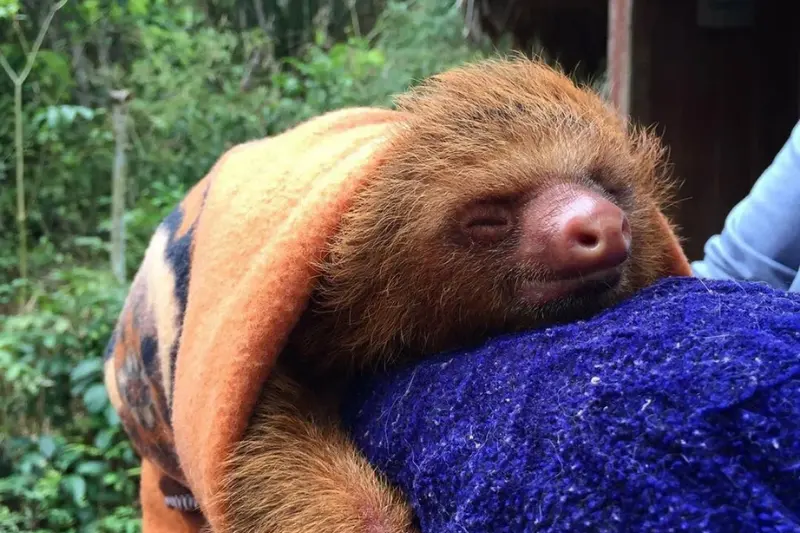
Wildlife conservation begins with small choices
Conservation can sound like something reserved for scientists, park authorities, or large organizations. In reality, everyday choices matter just as much. Travelers, local residents, guides, businesses, and educators all influence the conditions wildlife faces.
Supporting wildlife conservation in a practical way can include:
- Avoiding wildlife selfies, petting experiences, and performances.
- Never buying wild animals, feathers, teeth, skins, or other wildlife products.
- Choosing guides and tours that follow responsible wildlife-viewing practices.
- Keeping a respectful distance from animals in forests, rivers, roadsides, and lodges.
- Reducing waste, especially plastics that can enter waterways and habitats.
- Sharing accurate information rather than sensational stories about wild animals.
- Supporting rehabilitation centers that explain their welfare standards clearly.
These actions may seem modest, but they help reduce demand for harmful encounters. They also encourage tourism operators to invest in better practices.
A thoughtful visit benefits people too
Places like Amazon Shelter don’t only serve animals. They also give people a way to understand the Amazon beyond scenery. A visitor may arrive curious about monkeys, birds, or other rainforest species, including the more elusive residents highlighted in Rare Animals of the Amazon Tambopata Wildlife Guide, but leave with a clearer sense of how complex animal care can be.
This educational role carries real value because many harmful interactions begin with misunderstanding. Someone may keep a wild animal as a pet because it seems affectionate when young. A traveler may approach an animal too closely without recognizing signs of stress. A buyer may purchase a souvenir without considering where it came from.
Good conservation education replaces those assumptions with context. It shows that wild animals have specific needs, that human contact can cause harm, and that rescue centers often deal with the consequences of decisions made long before an animal arrives.
How should visitors prepare for an ethical experience?
Visitors should prepare by arriving with realistic expectations and a willingness to follow the center’s guidance. An ethical visit may feel quieter and less interactive than some people expect, but that is exactly the point. The animals’ needs come first, and the most meaningful moments often come from observing respectfully rather than seeking contact. Knowing what to bring makes this easier, and What to Pack for Tambopata covers the practical basics for any Amazon visit, including one focused on rehabilitation work.
A simple preparation checklist includes:
- Wear comfortable clothing suitable for warm, humid conditions.
- Bring water and follow any local guidance on waste and reusable containers.
- Listen carefully to staff or guides before approaching any animal area.
- Keep voices low and movements calm.
- Do not feed animals unless explicitly instructed by authorized staff.
- Avoid flash photography and never try to attract an animal’s attention for a photo.
- Ask thoughtful questions about rehabilitation, release, and long-term care.
This mindset helps create a better experience for everyone. It also honors the purpose of the visit: learning from the work without disrupting it. Some visitors extend their trip with a guided evening excursion afterward, an experience covered in Night Wildlife in the Amazon of Tambopata, which offers a very different but equally respectful way to encounter the forest’s residents.
The larger meaning of an animal sanctuary in the Amazon
An animal sanctuary in the Amazon carries a powerful message. It shows that conservation isn’t only about distant forests or rare species; it is also about individual lives affected by human choices. Each enclosure, feeding routine, and recovery plan reflects a commitment to repair harm where possible.
At the same time, a sanctuary should never stand in as a substitute for protecting habitats. Rehabilitation matters, but prevention matters even more. The healthiest future for wildlife looks like one where fewer animals need rescuing because forests remain intact, illegal trade loses support, and people understand how to live with wildlife responsibly. Protecting that habitat also means protecting the plant communities described in A Guide to the Incredible Plant Species of Tambopata Rainforest, since the two are inseparable in a functioning ecosystem.
Amazon Shelter represents that connection between care and prevention. Its value lies not only in helping animals recover, but in helping people see their role in the wider conservation story.
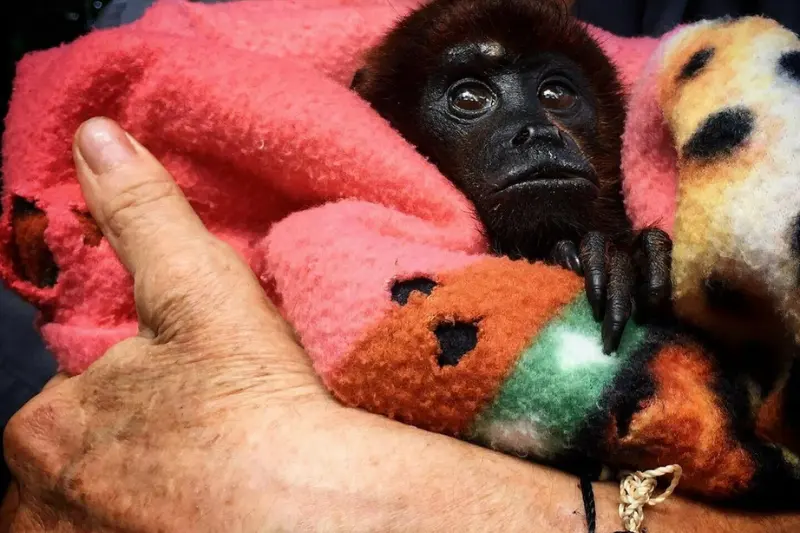
A practical takeaway for responsible travelers
Visiting a wildlife rehabilitation center in Tambopata can be inspiring, but the most important lesson should travel home too. Respectful wildlife encounters depend on distance, patience, and informed choices. A place that puts animal welfare before visitor entertainment deserves thoughtful attention.
Amazon Shelter offers a window into the everyday work behind wildlife conservation: care that is practical, compassionate, and grounded in respect for wild animals. For anyone visiting Tambopata, the goal stays simple: observe carefully, ask good questions, follow the rules, and let the experience deepen a commitment to protecting the natural world.