The Madre de Dios River is one of those places that sounds remote—deep jungle, big water, mystery vibes—but then you realize it’s also surprisingly doable. If you’re heading through Puerto Maldonado, this river is basically your main corridor into the Peruvian Amazon. Not a theme-park corridor. A real one. Working boats, muddy banks, and that slow, steady feeling that you’re entering a different system of life.
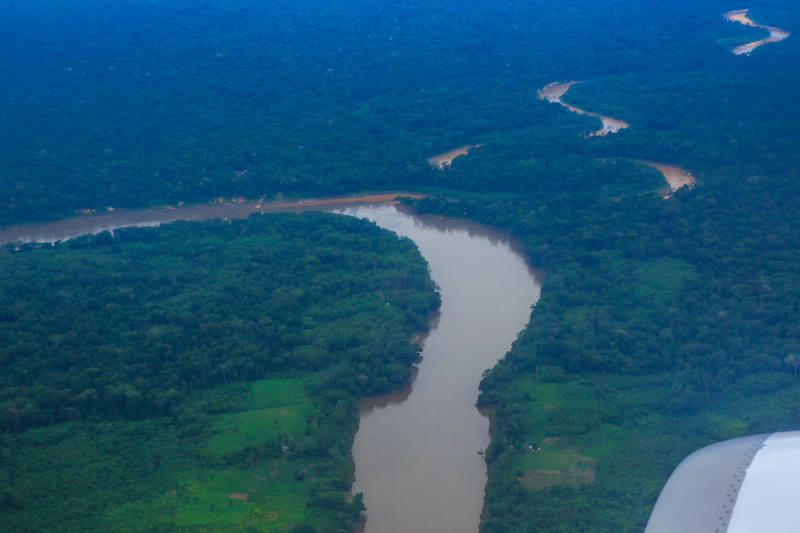
And yes, people often call it “the Amazon,” which is sort of true and sort of not. The Madre de Dios River connects into the larger Amazon River network, so you’re in the Amazon basin. But on the ground (and on the water), it feels like its own character—its own pace, its own rules, its own little surprises.
So… what’s the big deal with this river?
Let’s keep it simple: access + variety. The river makes it easy to combine a few things that don’t always play nicely together—comfort, wildlife, and actual adventure. One minute you’re cruising to a lodge with your daypack and a bottle of water. Later, you’re scanning the river edge for movement like it’s your new full-time job.
If you like travel that feels “alive,” this is your spot. The Madre de Dios River isn’t a single attraction you check off. It’s a moving route that links rainforest, communities, protected forest zones, and a whole menu of activities—boat rides, jungle walks, kayaking, and, when conditions line up, river rafting.
Also, a small truth that people don’t always say out loud: it’s easier to enjoy the jungle when the logistics are clean. Think of the river like a great operations manager. It keeps your transfers smoother, your timing less chaotic, and your energy focused on the fun parts.
A day on the river (the rhythm is the secret)
Most days follow a pattern that’s both practical and kind of soothing. Early starts are common. Not because tour operators love alarms, but because the heat ramps up later—and animals tend to be more active when the light is softer.
You’ll usually begin with a boat ride. The city edge fades. The tree line gets thicker. The air changes. Then you settle into that “okay, I’m really here” feeling. If you’re the type who needs constant stimulation, you might get impatient for five minutes… and then the river pulls you in. It’s not loud. It’s not a spectacle. It’s a slow, confident experience.
After that, the day can pivot a few ways—short jungle walks, a lake visit, a longer boat transfer, a canopy activity, or time to rest. Yes, rest. People forget that recovery is part of the itinerary, not a failure of it. In project terms, it’s your buffer. And in human terms, it’s how you stay cheerful when your shirt is 60% humidity.
Kayaking: quieter, closer, and weirdly satisfying
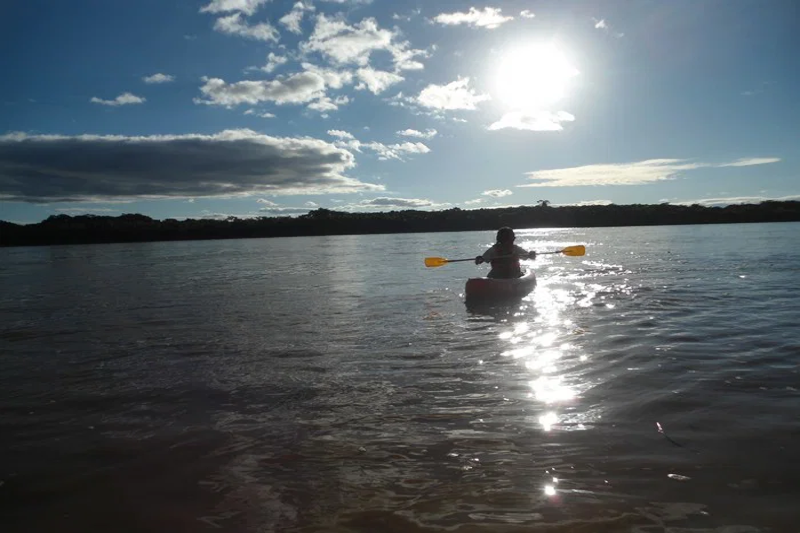
If boat travel is the backbone, kayaking is the little side quest that can become the highlight. A kayak changes the soundscape. You stop hearing engine noise. You start hearing the small stuff—paddles, birds, insects, the occasional splash that makes you look up like, “Was that… something?”
Paradise Yakari is one of the names you’ll hear when people talk about kayaking experiences in the Madre de Dios area. Whether you go with them or another operator, the basic idea stays the same: you’re moving under your own power, at a slower pace, with more control over your distance and angle. That matters for wildlife watching and for your own comfort. You can pause. You can drift. You can reset your posture. You can take a sip of water without feeling like you’re about to miss the whole show.
Quick note, because it’s important: kayaking here can be easy and calm… until it isn’t. Weather shifts, river level changes, and wind can turn “relaxing paddle” into “okay, teamwork time.” That’s not scary. It’s just real. A good guide will read conditions, adjust the route, and keep the group moving like a well-run crew.
Wildlife watching: it’s not a zoo, and that’s the point
People come for wildlife, obviously. But the Amazon doesn’t hand out guaranteed sightings like tickets. You earn them with timing, patience, and a little luck. And honestly? That’s why it feels so satisfying when it happens.
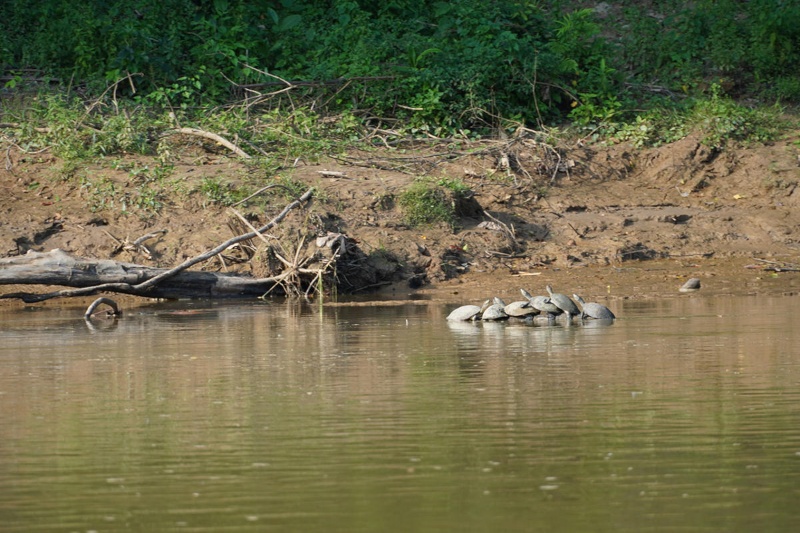
From the water, the river edge becomes your viewing lane. You might catch birds perched low, monkeys moving through the canopy, turtles on logs, or caimans hanging out near the banks as the day cools down. Sometimes you’ll see a burst of color—macaws are basically flying paint. Sometimes it’s subtler: a shape that doesn’t look like a shape until your guide points and your brain goes, “Ohhh.”
Here’s a mild contradiction: you should keep expectations low. And you should also stay alert. Low expectations keep you relaxed; alert attention makes you ready when the moment happens. Both can be true. That’s jungle math.
River rafting: more “scenic teamwork” than “extreme sport”
Let’s talk river rafting, because it’s a keyword people search and a question people ask. River rafting in the Madre de Dios region is often about the flow, the scenery, and the shared effort. It’s not always about gnarly whitewater. Sometimes it’s closer to a guided float with a few lively sections, depending on season and route.
If you’ve rafted big rapids elsewhere, you might think, “Is this going to feel tame?” Maybe. But then you look around and realize you’re rafting through rainforest. The context changes everything. A calm stretch can still feel epic because the setting is doing half the work.
Still, ask clear questions before you book: What’s the difficulty level? How long are you on the water? What safety gear is included? What’s the guide’s experience? Those questions aren’t buzzkill questions. They’re smart-traveler questions.
Safety and comfort (the grown-up part, but keep it light)
On paper, a jungle itinerary looks like fun blocks of time. In reality, it’s also a small risk-management exercise—nothing dramatic, just sensible. Boats should have life jackets. Guides should set expectations about weather and river conditions. You should know where your dry bag is. This is basic, but it’s the kind of basic that saves a trip.
Heat is the quiet factor that sneaks up on people. Hydration matters. Shade breaks matter. And so does food timing—nobody is their best self while hungry on a boat.
Also, let’s be honest: bugs are part of the deal. Not a crisis, just a fact. Bring repellent you actually like wearing. Wear long sleeves when it makes sense. And try not to turn it into a personal feud with nature. The river will win that argument.
Choosing activities without overplanning your life
It’s tempting to treat your trip like a schedule board with tasks and milestones. I get it. Many of us live in calendars. But the Madre de Dios River rewards flexibility. Rain happens. Trails change. A wildlife moment can shift your timing in the best way.
Instead of chasing a perfect plan, choose a few priorities. Then build around them.
- If you want an easy win: a scenic boat trip plus a short guided walk.
- If you want quiet and control: kayaking (and yes, Paradise Yakari comes up here) plus early wildlife time.
- If you want a shared challenge: river rafting plus a lodge stay so you’re not rushing back.
And keep one slot open. Not “free time” in the boring sense—more like space for a surprise. A sudden night walk. A different lake. A slow afternoon on a porch where you finally notice the sound layers in the forest. You’d be shocked how often that becomes the memory you talk about later.
Little digressions that actually help (gear, mindset, and a bit of travel reality)
Pack like you’re going to sweat, because you are. Quick-dry shirts, light rain layer, sturdy sandals or shoes that can handle wet steps, and something to cover your head. If you wear glasses, consider a strap. It’s not fashionable, but it’s effective—like a good spreadsheet.
For electronics, think in terms of damage control. Waterproof pouch. Backup power. A small cloth for lenses. You don’t need a production studio; you just need your stuff to survive the day.
And if you’re wondering about seasons: the river and weather can shift a lot over the year. Some months feel easier for walking. Other months feel greener and more dramatic. Neither is “wrong.” It’s more about what trade-offs you can live with—mud vs. dust, higher water vs. lower water, fewer people vs. easier logistics.
Responsible travel (not preachy, just practical)
On the Madre de Dios River, the rules of respect are pretty straightforward. Keep your distance from animals. Don’t feed anything. Don’t play loud music on a boat. Carry your trash out. If you visit a community, ask before taking photos. Basic courtesy travels well.
And if you’re choosing between operators, look for signs that they take the place seriously: clear safety briefings, realistic promises, guides who explain why certain areas are off-limits, and a general vibe of “we’re guests here.” That’s the kind of professionalism that feels good—calm, competent, no drama.
Final thoughts (because you’ll ask yourself this anyway)
Is the Madre de Dios River worth it? If you want an Amazon River experience that’s accessible, varied, and still genuinely wild, yes. You can keep it mellow with boat rides and short walks, or you can add kayaking and river rafting for more motion and more teamwork. And if you want a recognizable name in the mix, Paradise Yakari is one you can keep on your list.
Just don’t rush it. Give the river time to do its thing. Let the plan breathe. Ask good questions, pack smart, and stay curious. The best moments here aren’t forced—they show up, quietly, like the forest was waiting for you to finally look up.

