Anyone planning night walks, river excursions, or lodge stays near Tambopata National Reserve may wonder whether the large toads seen after rain are dangerous. Cane toads can be poisonous, but they are not aggressive, and most travelers stay safe by following simple wildlife rules: look, do not touch, and keep pets away. This guide explains the practical cane toad facts visitors need, including what the toxin does, when risk is highest, and how to respond calmly if contact happens.
Are cane toads poisonous?
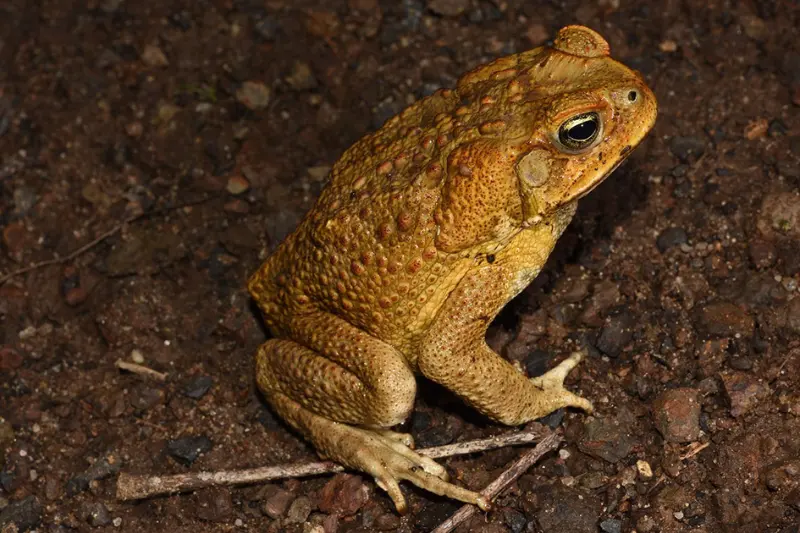
Yes, cane toads are poisonous because they can release toxic secretions from large glands behind the eyes and along the upper body. The toxin is a defensive substance, not venom delivered by a bite or sting, so the main risk comes from touching, squeezing, licking, biting, or accidentally ingesting the toad or its eggs. Wildlife authorities describe cane toads as poisonous to animals that try to bite or eat them, and U.S. Geological Survey species information notes that their parotoid glands produce bufotoxins that can affect the nervous system.
For travelers, the most useful distinction comes down to this: a cane toad is not chasing people or trying to poison anyone. It is simply equipped with a chemical defense that becomes a problem when humans or animals handle it carelessly. In a biodiverse place like Tambopata, where frogs and toads may appear on trails, near lights, or around damp lodge areas, respectful distance stays the safest and most responsible approach.
Why cane toads matter in Tambopata National Reserve
Tambopata National Reserve protects part of the southern Peruvian Amazon, a region known for extraordinary wildlife, river landscapes, forest trails, and clay licks visited by macaws and other animals. Peru’s protected-area authority, SERNANP, presents Tambopata as a major nature destination for wildlife observation and Amazon forest experiences. That same rich habitat supports the dense understory covered in A Guide to the Incredible Plant Species of Tambopata Rainforest, which shapes where amphibians tend to shelter during the day.
That richness also means visitors share space with animals best observed rather than handled. Amphibians are especially active in humid conditions, after rain, and at night, which is exactly when many guided jungle walks become exciting. Seeing a large toad can be memorable, but it should be treated like any other wild animal encounter: pause, give it room, and let your guide decide how close is appropriate.
Tambopata is not a zoo or a controlled garden. Trails can be muddy, leaves can hide small creatures, and artificial lights around lodges may attract insects, which in turn attract frogs and toads. Good safety habits protect both visitors and the wildlife that makes the reserve special.
Are cane toads poisonous to humans?
Cane toads can be poisonous to humans if toxin gets into the mouth, eyes, broken skin, or if someone eats the animal or its eggs. Casual presence nearby is not the danger; direct contact and ingestion are. USGS notes that humans can become seriously ill, and even die, from consuming cane toads or their eggs, while pet poison guidance highlights severe effects in animals that mouth toxic toads.
For most visitors, the realistic human risk stays limited to irritation or accidental exposure from handling a toad and then touching the face. Children may be more likely to pick up wildlife out of curiosity, so families should explain the rule before a night walk begins: no touching frogs, toads, insects, snakes, or unfamiliar plants. Anyone wanting a photo should take it from a safe distance without blocking the animal’s path.
The phrase “poison toad” can sound alarming, but keeping the risk in context helps. Cane toads are dangerous when their toxins enter the body in the wrong way. They are not dangerous simply because one is sitting near a trail, under a light, or beside a lodge walkway.
How to recognize a cane toad without getting close
Perfect identification of a cane toad isn’t necessary to behave safely. In fact, the best field rule involves avoiding touching any wild amphibian in the Amazon, because many species are delicate, some have skin secretions, and misidentification is easy in low light. Still, a few general features can help make sense of what a guide is pointing out.
Common cane toad traits include:
- A large, heavy body compared with many smaller frogs and toads.
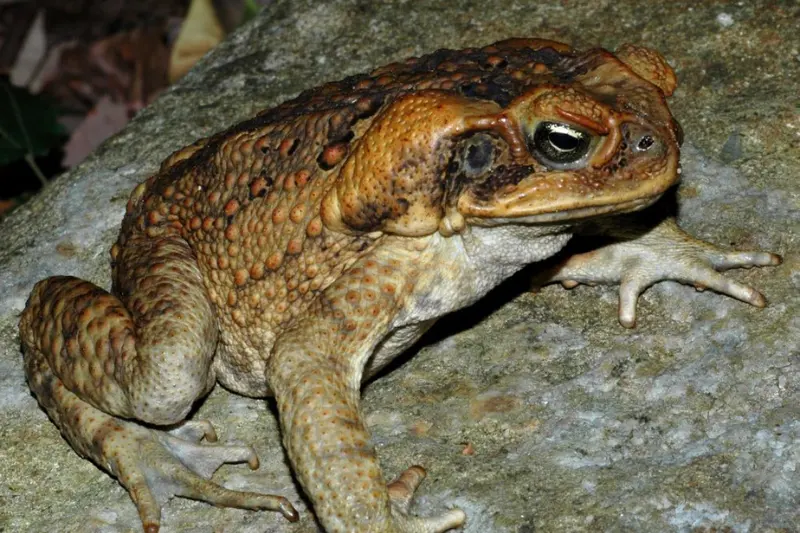
- Dry-looking, warty skin that may be brown, tan, grayish, or mottled.
- Prominent raised glands behind the eyes, often described as parotoid glands.
- A ground-dwelling habit, especially in open, damp, or disturbed areas.
- Activity at dusk, night, or after rain when insects are abundant.
These are helpful clues, not a reason to approach. Many Amazon amphibians can look similar to a non-specialist, and nighttime shadows can distort size and markings. Anyone in Tambopata National Reserve with a naturalist guide should ask them to identify the animal and explain its behavior while everyone keeps a respectful distance. Researchers documenting these patterns increasingly rely on Camera Trapping in Tambopata National Reserve, which captures ground-level activity that’s easy to miss during a short guided walk.
Safe behavior during Tambopata night walks
Night walks rank among the best ways to appreciate Amazon biodiversity, a topic covered in more depth in Night Wildlife in the Amazon of Tambopata. They also require a slower, more attentive pace than daytime hikes. A flashlight beam may reveal eyeshine, movement in leaf litter, or a toad sitting motionless at the edge of the trail. The goal is not to fear these moments, but to move through them with awareness.
Use this simple checklist whenever walking after dark:
- Stay with your guide and follow lodge or reserve instructions.
- Wear closed-toe shoes with good grip, especially on muddy paths.
- Watch where you place your hands before leaning on logs, railings, or tree trunks.
- Never pick up amphibians, even for a quick photo.
- Keep your flashlight low enough to see the trail without dazzling wildlife.
- Give animals a clear escape route instead of surrounding them.
- Wash your hands if you touch wet soil, trail surfaces, or anything unfamiliar.
- Tell your guide immediately if a child touches a toad or gets secretion on their skin.
These habits also reduce other common jungle risks, such as slips, insect bites, and accidental contact with plants or small animals. Safety in Tambopata comes down mostly to attention, patience, and respect for local guidance, along with sensible gear choices outlined in What to Pack for Tambopata.
What should you do if contact happens?
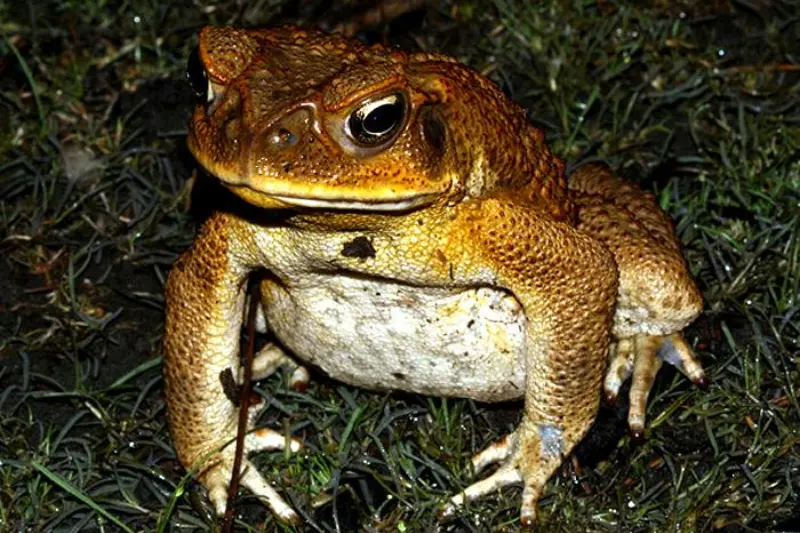
If someone touches a cane toad, the first step involves staying calm and reducing exposure. The eyes and mouth should not be rubbed, and food should not be handled until hands are thoroughly washed. If toxin may have entered the mouth, eyes, or broken skin, the situation deserves serious attention and prompt local medical advice.
Practical first steps include:
- Move away from the animal without harming it.
- Wash exposed skin well with clean water and soap if available.
- Rinse eyes with clean water if there was possible eye contact.
- Remove contaminated residue from hands, clothing, or gear.
- Alert your guide, lodge staff, or trip leader so they can help assess the situation.
- Contact medical support if there is nausea, dizziness, unusual heart symptoms, intense irritation, or any concern about ingestion.
Folk remedies should never substitute for proper care, and waiting quietly if symptoms appear only makes things worse. Remote travel areas can require extra time to arrange help, so early communication always beats embarrassment or delay.
The biggest risk is often to pets
Many articles about the question “are cane toads poisonous” focus on dogs, and for good reason. Dogs may sniff, mouth, lick, or bite a toad before anyone can stop them. Pet Poison Helpline notes that exposure to highly toxic toads such as cane toads can cause signs including drooling, breathing difficulty, irregular heart rate, stumbling, seizures, and even death in pets.
Most international travelers will not bring pets into Tambopata, but this information matters for long-term visitors, local residents, researchers, and anyone staying in nearby towns or rural properties. Pet food left outside can attract insects and small animals, which may attract toads. Pets present in Amazonian areas should be supervised closely after dark and kept away from any toad.
If a dog or cat mouths a suspected cane toad, the situation deserves urgent treatment. Rinsing the mouth carefully with water in a way that allows water to drain out rather than be swallowed, then contacting a veterinarian or emergency animal poison service as quickly as possible, gives pets the best chance. Local veterinary access may vary, so prevention stays far safer than reaction.
Responsible wildlife watching protects you and the forest
A good Tambopata experience builds on curiosity, not contact. The Amazon rewards quiet observation: listening before stepping, noticing small movements, and letting guides interpret what appears along the trail. Toads, frogs, insects, reptiles, birds, and mammals all play roles in the forest, even when some species have defenses that deserve caution, much like several entries in Rare Animals of the Amazon Tambopata Wildlife Guide.
Responsible wildlife watching means avoiding the habits that stress animals or increase risk. Prodding a toad to make it move doesn’t belong in a respectful visit, nor does posing with wildlife. Repeated flash photography at close range should stop if a guide advises against it. Removing animals from trails should only happen when trained staff decide it is necessary for safety.
These choices may seem small, but they keep encounters natural. They also help other visitors enjoy the same sense of discovery. In protected areas like Tambopata National Reserve, the best souvenir is a story, a photo taken respectfully, and a deeper understanding of the living forest, one shared by the broader cast introduced in Top Animals You’ll Find in the Tambopata Amazon Rainforest.
Useful cane toad facts for travelers
Cane toads are often discussed because they are large, adaptable, and toxic. In some countries, they are notorious as an invasive species; in parts of tropical South America, they are part of the broader native amphibian community. Either way, the traveler’s safety advice stays similar: do not touch, do not feed, and do not let animals mouth them.
Keep these cane toad facts in mind:
- “Poisonous” means toxins can harm another animal if absorbed or ingested.
- “Venomous” usually means toxin is injected through a bite, sting, or spine; cane toads are not dangerous in that way.
- The most important toxin glands are located behind the eyes.
- Toads may appear near lights because lights attract insects.
- Eggs and tadpoles may also contain toxins, so ponds and puddles should not be treated as play areas.
- Handling amphibians can also harm them because their skin is sensitive.
This is why guides usually discourage touching any frog or toad, not only the species that visitors recognize. Amphibian activity also tends to shift with rainfall, a pattern explained further in Amazonian Rain, River, and Forest: Climate of Tambopata. The rule stays simple, memorable, and effective.
A calm takeaway for Tambopata visitors
So, are cane toads poisonous? Yes, they are, and the question deserves a clear answer. But for travelers in Tambopata, the practical message stays reassuring: cane toads are easy to avoid when wildlife gets observed with common sense, guides get followed, and hands, children, and pets stay away from wild amphibians. Planning around Best Times to Visit Tambopata can also help set realistic expectations for how active amphibians and other wildlife will be during a stay.
Tambopata’s night sounds, forest trails, and sudden wildlife sightings are part of what make the reserve unforgettable. A cane toad on the path is not a reason to panic; it is a reminder that the Amazon is alive, complex, and best experienced with respect. A little distance, good questions, and the privilege of seeing rainforest life where it belongs make the whole encounter worthwhile.

