Imagine how recently you have unwrapped a chocolate bar. Such a rich, satisfying taste is so very common, so almost universal. But what were you listening to in a big symphony, only one note? Statistics in the industry show that most of the chocolate in the world is produced using a small number of so-called workhorse strains of cacao which are cultivated not to taste but to be tough. Similar to how a supermarket tomato is planted to become tough but not tasting.
However, the real history of cacao of the Amazonia starts very much inside the rainforest. Where the genetic cradle of the very first cacao trees was formed. It is here that the bean cacao originates not in plantations of perfect rows, but in wild, heirloom forebears which grow on the riverbanks, with a library of flavor. Which commercial chocolate has forgotten. They are the earliest models of nature, evolved throughout a thousand years.
Such an origin story makes chocolate more than just a snack. It becomes an experience, such as the one between looking at a print and looking at the original painting. Get ready to move past chocolatey and find unexpected flavors of flowers, nuts and red fruits.
What is Native Cacao?
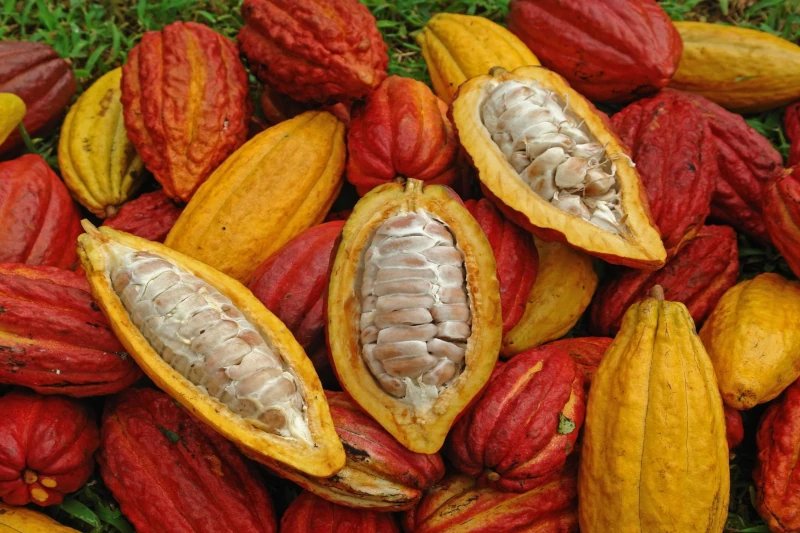
A long time before chocolate came in the form of a bar in foil wrappings, its wild ancestor grew in the Amazon basin. The Native cacao, or Theobroma cacao, which literally means food of the gods, is the original untamed tree upon which all other chocolates are based that has been growing as it has for thousands of years.
Consider these wild trees as a large genetic library. Most of the world’s chocolate gets produced using only a few hardy cacao sub specimens that are produced in vast quantities yet the native varieties of the Amazon are harboring a rainbow of flavors, aromas, and natural strength unknown to most of the world. This is the heritage inventory that nature has been using to write the recipe book of chocolate. There are kept notes of flowers, fruits, and spices, which are excluded from their commercial relatives.
These old varieties of cacao have naturally grown in the riverbanks in such places as Peru or Ecuador. In fact all the way back to thousands of years ago with no human intervention whatsoever, except the rainforest itself. They do not exist in orderly lines but are interwoven in the rich, disheveled structure of the ecosystem. This wild tradition is the key to their individuality and the clue to the explanation of the enormous contrast between the common chocolate and its marvellous ancestor.
Wild vs. Farmed: Why Not All Cacao Is Created Equal
If native cacao is so special, why isn’t all chocolate made from it? The simple answer is demand. To satisfy the world’s massive appetite for chocolate, the industry needed a different kind of plant species: a super-producer, bred not for its subtle flavors, but for its sheer output.
One of the most famous of these is a variety known as CCN-51. Developed in the 1960s, it’s a tough, disease-resistant workhorse designed to grow fast and produce huge quantities of pods. Think of it like the difference between a standard, perfectly round supermarket tomato and a lumpy, richly flavored heirloom from a garden. One is built for efficiency and transport; the other is cultivated purely for taste.
This highlights the fundamental choice in the cacao world: quantity versus quality. While industrial cacao like CCN-51 ensures there’s enough chocolate to go around, it often delivers a one-dimensional, bitter flavor. In contrast, native heirloom varieties are prized specifically for their complex and delicate taste profiles, earning them the coveted designation of “fine or flavor” cacao.
What Are the Floral, Nutty and Fruity Notes in Chocolate?
When we associate chocolate, there is a single strong, recognizable taste. Yet what would it be like to have a chocolate bar that would taste specifically of fresh raspberries, jasmine or toasted almonds? In the case of fine flavor cacao, these are not mere figurative statements on the package, but the actual flavor profile of the actual chocolate. It is like finding a new color that you never knew existed when you find out what heirloom cacao tastes like. In contrast to the single-dimension bitterness of the mass-produced bars, these chocolates provide a multi-dimensional and dynamic experience on your tongue, where the aromas and aftertastes are remarkably light, delicate and vivid.
It is such a range of flavors that is the result of a blend of the special genetics of the cacao and one of the well-known concepts of wine enthusiasts: terroir. The principle that the taste of a plant is a kind of reflection of its surrounding environment, the soil. The other flora that grow in the area, is called terroir. A cacao tree growing on the shores of a certain river in the Amazon will yield chocolate. That will have a different taste as compared with a cacao tree growing in a valley a hundred miles away. Such peculiar taste overtones of such mythical varieties as Nacional cacao. This is a direct consequence of the antique genetic code of such a variety reacting with its extremely particular home.
This will ultimately imply that a fine flavor chocolate sourced in one place is not a mere delicacy; it is a flavor of a particular location. These bars tend to be softer and less bitter and more aromatic and give the natural nature of cacao the opportunity to shine without cocoons being lost behind a lot of sugar.
The Road through a Wild Pod to a Fine Bar
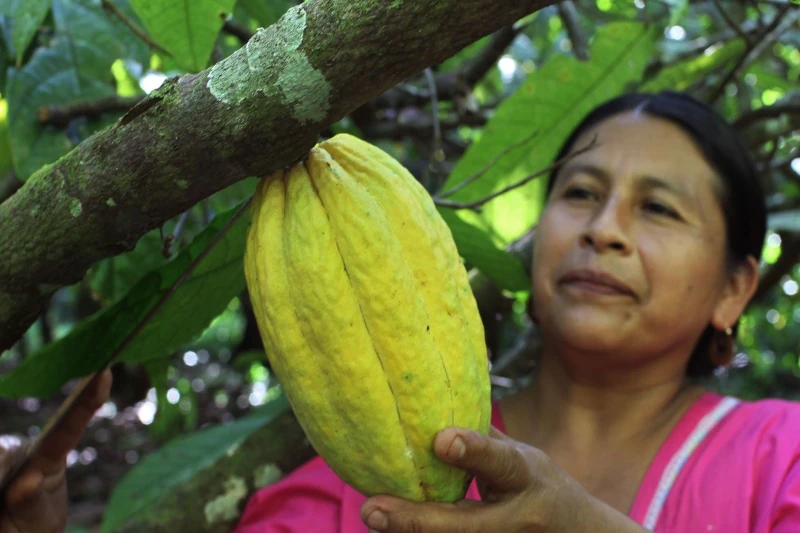
The process of that magic road starts as soon as a ripe cacao pod is cut off the tree. It is a surprise when opened in half. In place of those brown dry beans that we should think about, there is a pod full of seeds covered in a sweet white fleshy pulp. The cacao is a fruit, and the first indication of this is its pulp that has a taste similar to lychee or tangy yogurt, and the path of cacao to chocolate is a transformation.
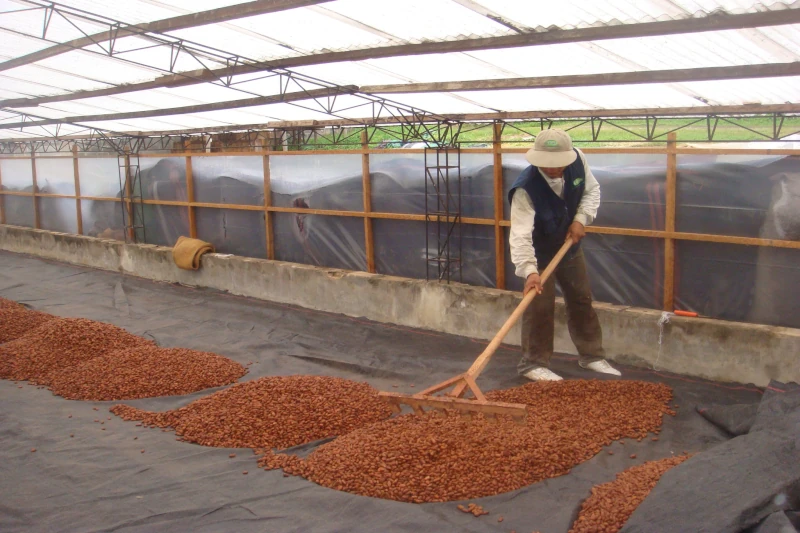
The seeds and their pulp are then scooped into wooden boxes and taken to the most critical part of all fermentation. It is not a disintegration process, but a natural evolution, which is controlled. Consider it as sourdough bread or fine wine. Over some days, the air and pulp air have wild yeasts and bacteria that decompose the sugars to produce heat. It is in this that the seeds of those complicated floral, fruity, and nutty notes are germinated.
This is also the point of divergence when the mass-produced chocolate and fine flavor cacao are seen to be dramatically different. When it comes to bulk production, fermentation of the beans, in large quantities, is conducted in large quantities and in an erratic manner. However, with native cacao, it is an art. The small batches are manually turned by farmers and the temperature of the batches. Such attention to detail avoids the bitter or sour taste of commodity chocolate and teases out the sensitive nature of the cacao.
The Original Chocolatiers: How Indigenous Communities Safeguard Cacao’s Legacy
This deep knowledge of Tambopata cacao from the perfect moment of harvest to the art of fermentation—is not a recent discovery. It’s a science perfected over millennia by the Amazon’s first inhabitants. Indigenous communities are the original stewards of this sacred plant, having cultivated and prepared it long before it was ever known as “chocolate.” This expertise, passed down through countless generations, represents a living library of sustainable practices that allow them to identify. This is the finest wild trees and unlock their incredible flavors without harming the delicate forest ecosystem.
For centuries, this local wisdom remained one of the Amazon’s best-kept secrets. Today, however, a new model of ethical sourcing is creating a powerful connection between these communities and the wider world. Instead of dealing with middlemen, pioneering chocolate makers are now partnering directly with indigenous families and cooperatives. This approach isn’t charity; it’s a true partnership that recognizes and rewards their unparalleled expertise. By paying a significant premium for this rare, high-quality cacao,. The model ensures the financial benefits flow directly to the people safeguarding its existence.
The impact of this collaboration extends far beyond the peruvian chocolate bar. When harvesting wild cacao provides a stable and dignified livelihood. It creates a powerful economic incentive for conservation. Suddenly, a living tree, part of a thriving ecosystem, becomes far more valuable than cleared land. This makes the practice of sustainable wild cacao harvesting a direct tool. This is for protecting both cacao biodiversity and the cultural heritage of the communities who know it best. The result is truly ethical chocolate that supports indigenous communities and the forest they call home.
Can Chocolate Help Save the Rainforest?
It absolutely can, and the reason is surprisingly simple: it makes the rainforest worth more alive than dead. When local communities can earn a stable, dignified living by harvesting high-value native cacao, the trees become a renewable source of income. This creates what conservationists call a standing forest economy a local market built not on cutting trees down, but on keeping the forest and its resources intact for generations to come.
This model offers a powerful alternative to the destructive industries that threaten the Amazon Rainforest. Think about it: logging or clearing land for cattle ranching provides a one-time payment but leaves behind a depleted landscape. In contrast, sustainable wild cacao harvesting provides a reliable income year after year, securing a future for both the people and the place they call home. It’s a shift from short-term extraction to long-term stewardship.
Beyond the economics, this method actively supports wildlife. Native cacao thrives in the shade, growing naturally beneath the canopy of taller rainforest trees. This practice, a form of agroforestry, essentially turns a farm into a functioning forest. These mixed environments provide a vital sanctuary for the toucans, monkeys, and countless other species. In fact those lose their homes in clear-cut, single-crop cacao agriculture, directly boosting the benefits of shade-grown cacao for wildlife.
So, the answer is yes. Every time you support chocolate made this way, you reinforce a system that keeps trees standing and ecosystems thriving. It transforms a simple purchase into a small act of flora conservation. But this delicate balance is fragile, and the very existence of these incredible cacao varieties faces a silent, growing threat.
The Silent Threat: Why We Could Lose These Flavors Forever
The most obvious threat is the one we’ve all seen in headlines: deforestation risk. When vast swaths of the Amazon are cleared for cattle ranching or industrial agriculture, the unique habitats where native cacao thrives are simply erased. Each fallen tree represents a potential loss of irreplaceable genetic material a chapter torn from chocolate’s origin story. The impact of deforestation on cacao production is devastatingly direct, wiping out not just trees but entire ecosystems that have nurtured these wild varieties for millennia.
Yet an even more insidious danger unfolds at a microscopic level. Think of it like this: if you plant a garden full of sweet, vibrant heirloom tomatoes next to a field of bland, tough, commercial ones, their pollen will inevitably mix. Over generations, the unique qualities of your heirlooms will fade, diluted by the dominant genes of their less interesting neighbors. This exact process of genetic dilution is happening to native cacao, as pollen from nearby. Industrial farms drifts into wild groves, slowly erasing the rare floral, fruity, and nutty notes that make them so special.
Combined, these forces threaten the world’s original library of chocolate flavors. Without active cacao biodiversity conservation efforts, we risk losing the very foundation of the chocolate we love. The wild ancestors that hold the key to creating more delicious, resilient, and interesting varieties in the future. The fight to save them isn’t just about protecting a plant. It’s about preserving a taste of the wild. Fortunately, the story doesn’t end here, and the choices we make can help turn the tide.
How to Taste the Rainforest: Your Guide to Choosing Better Chocolate
Knowing the story behind the bar the journey of wild cacao, the genetic library held within the Amazon. The Amazon communities who protect it transforms a simple treat into a rich experience. It sparks a connoisseur’s curiosity and a desire to taste the difference.
Finding the treasure of the rainforest in your local shop doesn’t require a map just a new way of reading the label. The next time you pick up a chocolate bar, become a detective and look for these clues:
- Origin: Does it name a specific country, region, or community?
- Ingredients: Is the list short? (Cacao, sugar, maybe cocoa butter).
- Variety: Does it mention a specific cacao variety, like “Nacional”?
Choosing ethical chocolate made this way sends a clear signal that you value flavor diversity and are supporting indigenous communities who safeguard the forest. Each purchase becomes a vote for a world where the rainforest is more valuable standing than clear-cut.
So, the next time you browse the chocolate aisle, see it not as a shelf of candy, but as a library of stories. Choosing a bar can be an act of exploration, a chance to discover what heirloom cacao truly tastes like.


… [Trackback]
[…] Find More on on that Topic: paradiseyakari.com/tasting-native-cacao/ […]
… [Trackback]
[…] Read More to that Topic: paradiseyakari.com/tasting-native-cacao/ […]