Stepping into the Amazon for the first time can feel like opening a door into a different world—thick green canopy, sudden rain, birds that sound like instruments, and rivers that function like highways. But the most meaningful part of many journeys isn’t the wildlife checklist; it’s meeting the people whose home this has always been. Inside the Amazon Rainforest Tribe of the Native Community of Palma Real is really a story about place, memory, and everyday life—especially for the Ese Eja people, often described in broader conversations about amazonian tribes and rainforest tribes, but best understood on their own terms.
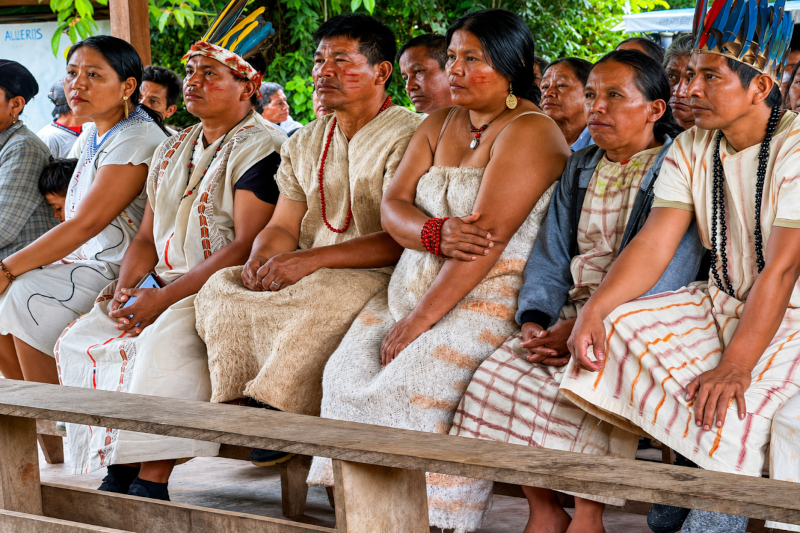
Where Palma Real is—and why it matters
If you’re researching Palma Real location and how to get there, you’ll usually see it mentioned alongside southern Peru’s rainforest travel routes near Puerto Maldonado and the Tambopata National Reserve. That’s because this region is a major gateway for visitors exploring the jungle—and also a frontline area where tourism, conservation, and community life meet.
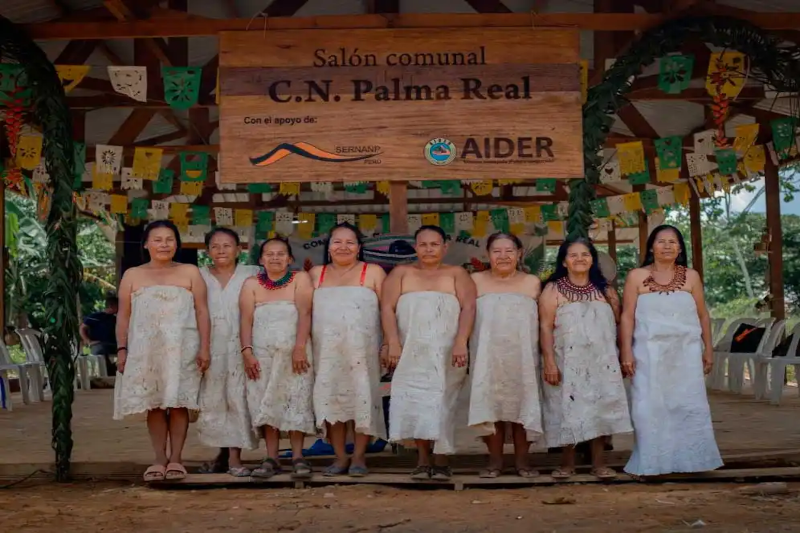
Palma Real is known as an indigenous community where local initiatives can offer visitors a way to learn directly from residents rather than only through lodges or outside operators. It’s also a reminder that the Amazon isn’t “empty wilderness”—it’s cultural territory shaped by generations of knowledge.
The Ese Eja: identity, community, and daily life
When people search “amazon rainforest tribe,” they often imagine a single “Amazon culture.” In reality, Amazon rainforest tribe culture and traditions vary widely across the basin. The Ese Eja (sometimes written in different spellings depending on sources and regional usage) are one of the Indigenous peoples of the Peru–Bolivia border region, and the phrase Ese Eja tribe points to a living community with changing, modern realities—not a frozen-in-time postcard.
In a community like Palma Real, daily life blends:
- Forest-based skills (fishing, hunting knowledge, plant use, navigation)
- Household and community responsibilities (family life, maintenance, local governance)
- Connections with markets and nearby towns (including Puerto Maldonado)
- Cultural continuity through storytelling, ceremonies, crafts, and language
That mix is important: it’s not “traditional or modern.” It’s both.
Language and oral history: knowledge that travels by voice
One of the most moving ways to understand the forest is through Amazon rainforest indigenous language and oral history. Oral tradition can carry:
- Place-based stories tied to specific river bends, trees, and trails
- Rules about respectful behavior in certain areas
- Practical knowledge (seasonality, weather signs, animal behavior)
- Community memory—what has changed, what has been lost, what is being reclaimed
If you visit with a Palma Real indigenous community guide, ask respectful, open-ended questions like:
- “What are the seasons like here?”
- “What stories do you associate with the river or this trail?”
- “Are there places visitors should avoid?”
You’ll often learn more from that conversation than from any guidebook.
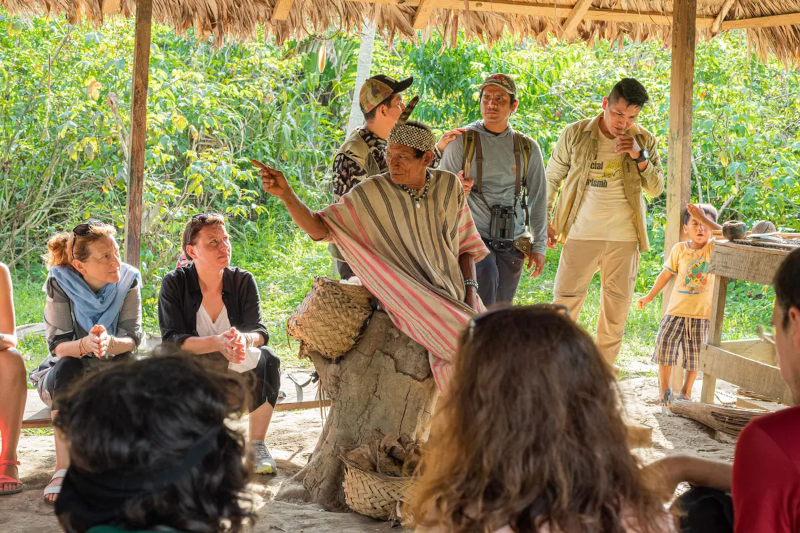
Traditional medicinal plants: what visitors should understand
Curiosity about traditional Amazon medicinal plants uses is common—and understandable. The Amazon is famous for botanical diversity, and Indigenous knowledge systems often include detailed understanding of plants, preparation methods, and safe handling.
But here’s the key: this isn’t a souvenir topic. If a community shares this knowledge, treat it like a gift, not a product. Avoid:
- Pressuring anyone to reveal “secret” remedies
- Harvesting plants yourself
- Buying unverified treatments that claim to cure serious illnesses
A better approach is to learn the role of medicinal knowledge in daily life—how families decide what to use, who is trusted to prepare remedies, and how the forest is protected so those plants remain available.
Community tourism: rules, etiquette, and respect in practice
Many travelers want respectful ways to visit indigenous communities, but don’t know what that means beyond “be polite.” In practice, Palma Real community tourism rules and etiquette often come down to consent, humility, and following local protocols.
A simple visitor code (that goes a long way)
- Ask before photographing anyone, especially children. “No” is a complete answer.
- Don’t enter homes or community spaces uninvited.
- Dress practically and modestly (you’re a guest, not at a beach club).
- Let the community set the agenda: timing, routes, activities, and boundaries.
- Don’t hand out gifts directly to kids (it can create dependency and tension). If you want to contribute, ask leaders or your guide what’s appropriate.
- Avoid wildlife handling (even if someone outside the community offers it). It’s often harmful to animals and can be illegal.
If you’re unsure, ask your guide: “What’s considered respectful here?” That single question signals you’re not there to take.
What to pack for an Amazon jungle trip (practical and realistic)
If you’re planning an immersive visit, what to pack for an Amazon jungle trip matters more than most people expect. Comfort affects behavior—when you’re miserable from bites or wet shoes, it’s harder to stay present and respectful.
Pack with humidity, rain, and insects in mind:
- Lightweight long-sleeve shirts and long pants (quick-dry)
- A rain jacket or 3333333
- Closed-toe shoes plus sandals for camp/river edges
- High-DEET or picaridin insect repellent and anti-itch cream
- Sunscreen (river glare is real)
- Refillable water bottle + purification method (as advised locally)
- A headlamp and spare batteries
- Dry bags for electronics and documents
- Basic first aid kit (bandages, antiseptic, rehydration salts)
If you’re traveling with a community guide, ask in advance what’s provided and what isn’t—especially food, water, and sleeping arrangements.
Safety tips for visitors (without fear-mongering)
The jungle is not a theme park, but it also doesn’t need dramatic panic. The best safety tips for Amazon rainforest visitors are mostly about preparation and listening.
- Stay with your guide—getting lost can happen faster than you think.
- Hydrate and manage heat: slow down, rest, and take shade seriously.
- Respect the river: currents, slippery banks, and sudden depth changes are common.
- Don’t touch animals or insects: even “small” ones can sting, bite, or carry parasites.
- Tell someone about allergies/medical conditions before you head out.
- Follow local advice on swimming, nighttime walking, and food handling.
Safety is also cultural: being a considerate guest reduces conflict and misunderstandings.
Best time to visit the region (and what “best” actually means)
People often ask about the best time to visit the Amazon rainforest region as if there’s one perfect month. In reality, it depends on what you want:
- Drier months can mean easier walking trails and clearer logistics.
- Wetter months can mean fuller rivers and different wildlife viewing patterns.
Either way, rain is part of the Amazon’s personality. Instead of chasing “no rain,” plan for rain and you’ll enjoy the trip more.
Sustainability, land rights, and conservation: the bigger context
It’s hard to talk honestly about visits to Indigenous communities without addressing sustainable travel in the Amazon rainforest and the deeper issues of indigenous land rights and conservation of the Amazon. Many communities face overlapping pressures:
- Illegal logging and resource extraction
- Encroachment and land insecurity
- Pollution and changes to river systems
- Economic challenges that push migration and disrupt cultural transmission
- Climate shifts that alter seasons, fish patterns, and crop reliability
This is part of the challenges facing Amazon indigenous communities today. Tourism can help or harm depending on how it’s done—who controls it, who profits, and whether it strengthens community goals.
How to support Palma Real beyond your visit
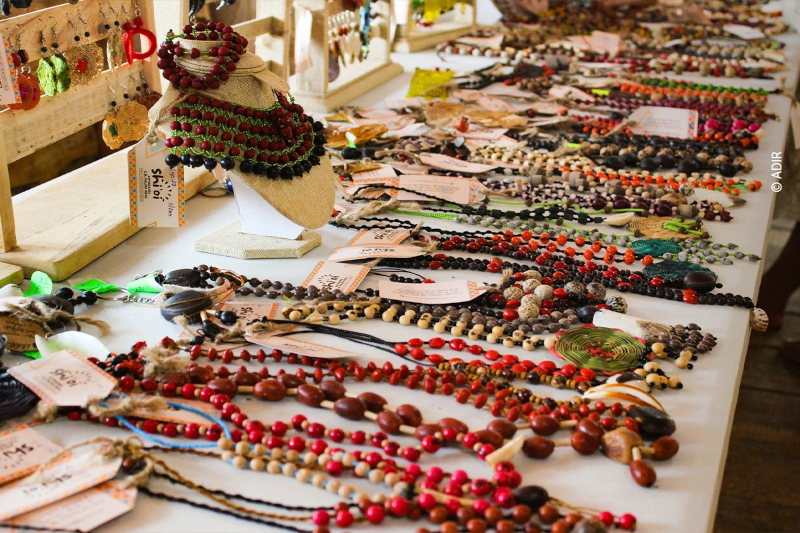
If you’re wondering how to support Palma Real community projects, start with the simplest option: pay fair prices for guiding, lodging, crafts, or community-run experiences. Then go a step further:
- Choose operators that work with communities, not around them.
- Ask where your money goes (guide wages, communal funds, school materials, infrastructure).
- Share feedback privately and respectfully if something felt off.
- Recommend the experience in a way that doesn’t expose sensitive details (like exact locations of sacred sites).
Support is most meanigful when it strengthens local decision-making rather than imposing outside priorities.
Palma Real vs other Amazon tribes: avoid “ranking,” look for fit
Travel forums sometimes frame Palma Real vs other Amazon tribes like a comparison chart—more “authentic,” more “remote,” more “traditional.” That mindset usually leads to disappointment and disrespect.
A better way to choose is to ask:
- Do you want a cultural exchange focused on learning and listening?
- Are you comfortable following strict community rules about photos, movement, or schedules?
- Do you prefer a short visit, or a deeper multi-day stay?
- Do you want to travel near hubs like Puerto Maldonado, or go farther afield?
Every community has its own boundaries and goals. The right fit is the one where your presence aligns with what they actually want from visitors.
Takeaway: go as a guest, not a collector
Experiencing Inside the Amazon Rainforest Tribe of the Native Community of Palma Real isn’t about collecting “tribe facts.” It’s about meeting people—often the Ese Eja—in a place where culture, conservation, and daily life are tightly interwoven. If you go with a respectful mindset, follow community guidance, and treat the forest as someone’s home rather than a backdrop, you’ll come away with something rarer than photos: perspective.

