Let’s say you’re in Iquitos, you’ve got a free half-day, and you’re thinking: Can I see Amazon rainforest monkeys without signing up for a multi-day jungle mission? That’s where Monkey Island Peru comes in.
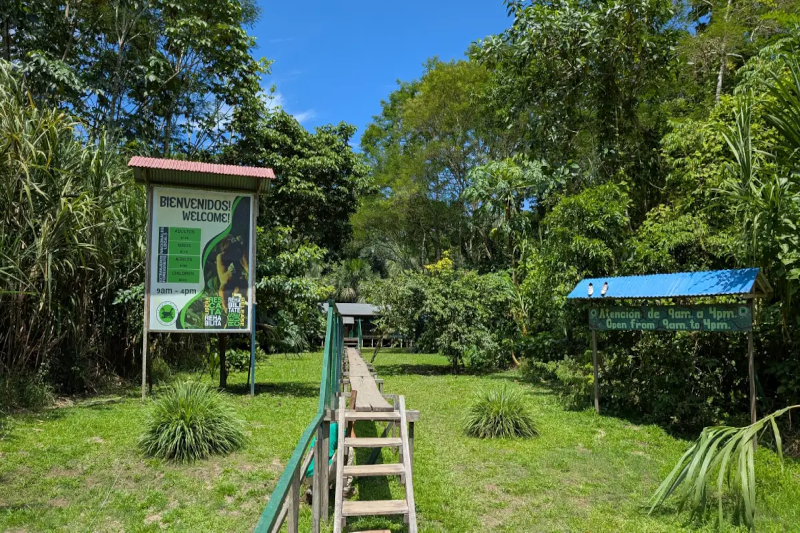
Locals and guides usually call it Isla de los Monos Iquitos. It’s a rescue and rehabilitation site on a river island, reachable by boat. It can feel like a simple outing—yet it’s not “simple” like a city museum. You’re stepping into a living ecosystem, with weather moods, boat timing, and animals that don’t follow anyone’s schedule (honestly, respect).
A quick roadmap
- What Monkey Island is and what it isn’t
- How to get to Monkey Island from Iquitos
- What tours usually include + what to ask
- Monkey Island Peru tickets price: what to budget
- What to expect on-site (and how to keep it ethical)
So… what is Monkey Island, really?
Isla de los Monos Iquitos is best described as a working sanctuary. Monkeys arrive because they were kept illegally as pets, traded, or displaced. The staff focuses on care and rehabilitation, and visitors help support that work through entrance fees and tour spending.
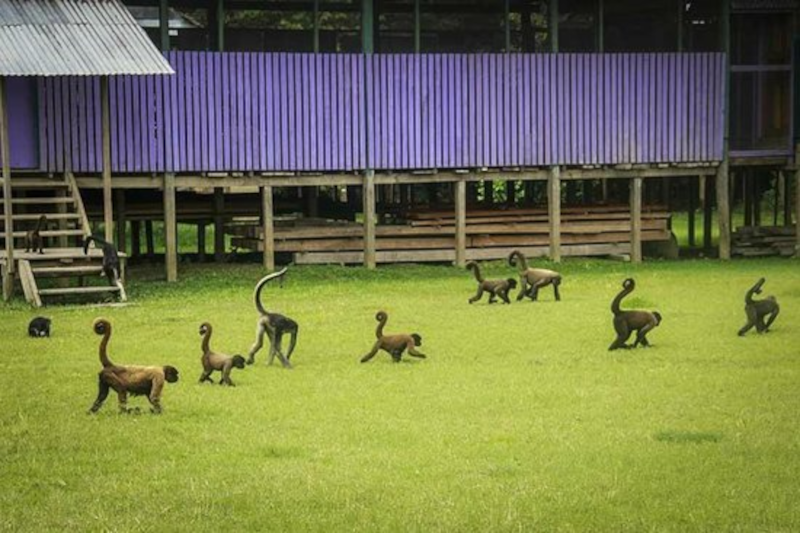
What it’s not: a zoo with perfectly staged encounters. Some days you’ll see several species moving through the trees. Other days, the jungle basically says, “Not today.” That unpredictability is part of the deal—and a sign you’re not watching a choreographed show.
How to get to Monkey Island from Iquitos
Getting there is mostly a boat problem, not a hiking problem. You’ll travel by motorboat from the Iquitos area, often along the Nanay River or nearby channels, depending on water levels and the operator’s route. If you’ve ever managed airport connections, you can manage this too—just with more humidity.
Option A: Book a Monkey Island Iquitos tour (the low-stress route)
If you’re comparing Peru jungle tours, this is the path with the least friction. The operator handles transport, timing, and the guide. You show up. You pay. You don’t have to negotiate boat rates on the fly.
A typical tour looks like this:
- Meet in town (sometimes hotel pickup).
- Head to a port area and board a small motorboat.
- Ride out through river scenery—watch for birds, floating houses, and the occasional surprise rain.
- Arrive at the sanctuary for a guided walk.
- Head back to Iquitos, sometimes with one or two extra stops.
Option B: Go independently (possible, but bring patience)
You can arrange a private boat and visit without a packaged tour. People do it. But the project manager part of your brain has to wake up: you’ll be defining scope (where you’re going), timeline (pickup and return), and risks (miscommunication, changing river conditions, price surprises).
If you go this route, confirm a few basics before you leave the dock:
- Total round-trip cost and how long the boat will wait
- Where you’ll be picked up for the return (exact spot)
- Whether entry fees are included or paid separately
What tours usually include (and the questions worth asking)
Many trips are sold as Iquitos day trips Amazon jungle. That label is broad, so the itinerary can vary. Some tours focus mainly on the sanctuary. Others add quick extras—like a community visit, a short wildlife-spotting ride, or a market stop.
Before you book, ask a few blunt questions. It saves you money and awkward moments later:
- How big is the group? Smaller groups usually mean calmer animals and better guiding.
- How long are we actually on the island? “Included” can mean 20 minutes or two hours.
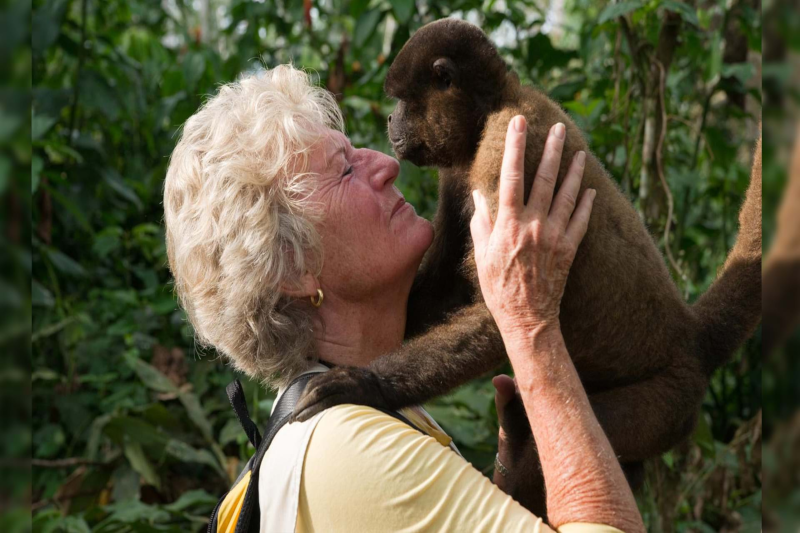
- Do you encourage touching or holding monkeys? If the answer is yes, consider walking away.
- What’s included in the price? Boat, transfers, guide, entry fees—get it clear.
Monkey Island Peru tickets price: what to budget (without getting weird about it)
People often search Monkey Island Peru tickets price because they want a clean number. The truth is messier: price depends on group size, season, what’s bundled, and how the operator structures the day.
In general, expect two cost buckets:
- Sanctuary entry / contribution: often modest, sometimes framed as a donation
- Transport + guide: the bigger part of the spend, especially if it’s private
A small note that matters: the cheapest tour isn’t always a bargain. If it’s marketing “guaranteed contact” with monkeys, that’s a red flag. Ethical wildlife tourism in Iquitos usually looks quieter and less flashy—more observe, less perform.
What to expect when you arrive (and what it feels like)
Once you step off the boat, the jungle hits you fast: warm air, damp earth, and that layered green that makes your phone camera panic. Trails are usually simple but can be muddy. Facilities tend to be basic. That’s normal.
And the monkeys? They’re often active and curious, but not predictable. You might see them moving above you like little acrobats. You might hear them before you see them. Either way, it’s a good moment to slow down. The sanctuary isn’t a checklist; it’s more like a living workplace.
The selfie question (a quick ethics detour that’s worth taking)
Here’s the thing: a lot of travelers want a close photo. That’s human. But what to expect monkey sanctuary visit should include boundaries. Good sanctuaries keep interaction limited. They’ll discourage feeding and avoid forced handling. That’s not “no fun allowed.” It’s animal welfare.
So if you’re choosing between Peru jungle tours, look for operators who talk about rescue, rehabilitation, and education—not bragging rights. Your future self will feel better about it. (And yes, your photos will still be great.)
Comfort + safety: a tiny “risk register” for your day trip
This isn’t extreme travel, but it’s still the Amazon. A little preparation goes a long way.
- Clothes: long sleeves/pants and closed-toe shoes (mud happens)
- Water: bring more than you think; humidity is sneaky
- Tech: a dry bag for your phone/camera on the boat
- Snacks: keep food sealed so you don’t attract animals
Mosquito repellent Amazon travel tips (quick, practical)
- Apply mosquito repellent before you board the boat and reapply after sweating or rain.
- If you use permethrin-treated clothing, follow label instructions carefully.
- Pack something for bites (an antihistamine cream can be a mood-saver).
Takeaway (the short version)
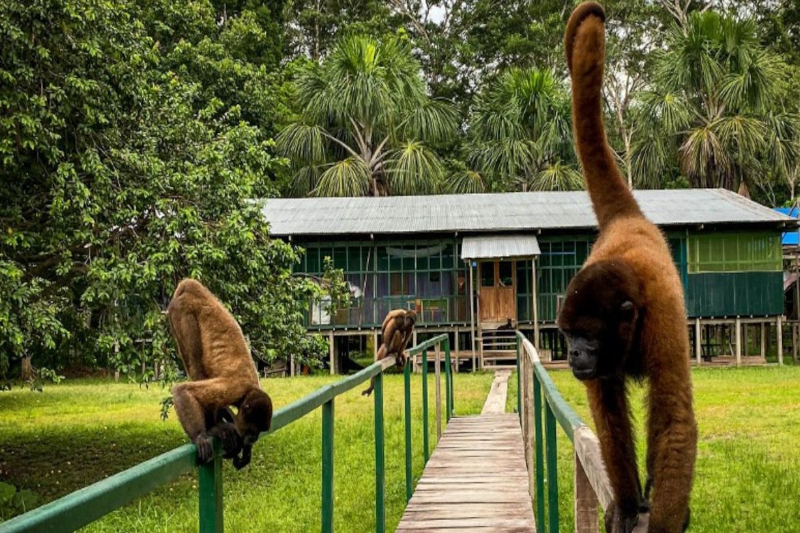
Monkey Island Peru is one of the easiest ways to see amazon rainforest monkeys near Iquitos without turning your whole trip into a jungle expedition. Sort your transport, pick a tour that respects animals, and bring the basics for heat and bugs. Then let the place be what it is: a working sanctuary with real goals, not a staged attraction.
And if you leave a little sweaty, a little muddy, and oddly grateful? Yeah. That tracks.

