Peruvian cacao carries a reputation among serious chocolatiers that mass-market brands spend millions trying to fake. The real thing grows under Amazon canopy and along Andean slopes, shaped by soil and altitude that no factory process touches.
Most chocolate people eat has nothing to do with quality. High yield, cheap beans, heavy processing covering the flavor underneath Peruvian cacao works the opposite direction, genetics and terroir doing the heavy lifting before anyone touches a roasting drum. That difference shows up the moment the bar melts.
Rare varieties, traditional farming, health properties, how to actually use it at home. All here.
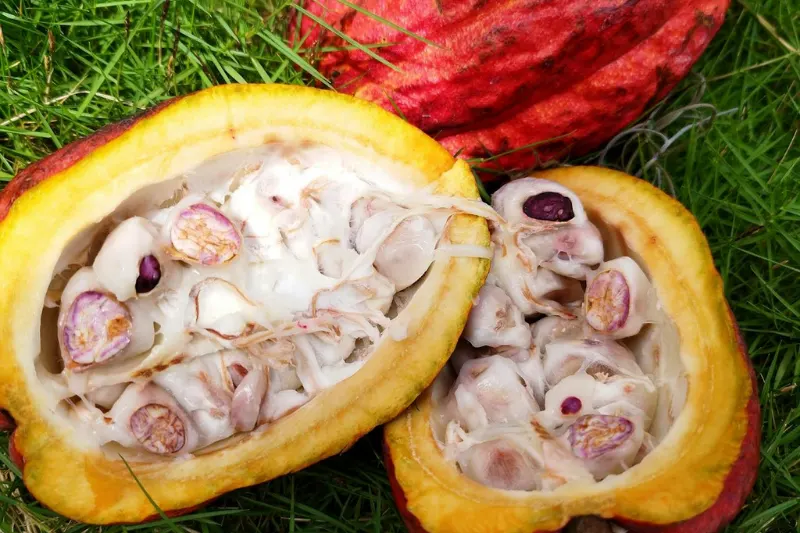
The Magic of Rare Peruvian Cacao Beans
Nowhere else holds this much genetic cacao diversity in one place. Peru’s ecosystems created heirloom varieties over centuries that taste like nothing produced anywhere else on earth. Move those seeds somewhere else and the flavor changes. The soil is part of the recipe, not background detail.
Decoding Cocoa Genetics
Criollo beans are rare, fragile, almost no bitterness, flavor complexity that takes time to fully understand. Trinitario is the hybrid, Criollo crossed with robust Forastero, more resilient and still genuinely worth seeking out. Peru grows excellent versions of both but the native heirloom strains are the ones that make chocolate people stop mid-sentence.
Unique Regional Profiles
- Piura Blanco: Northern desert valleys, naturally white beans rather than usual purple. Citrus, nuts, bright acidity, creamy finish, bitterness essentially absent from start to finish.
- Chuncho: Cusco region, small beans, massive aromatic presence. Tropical fruit, jasmine, warm spices, high cocoa butter content making the melt something worth slowing down for.
Why is single origin better? These cacao beans express a specific place purely, no blending with inferior material diluting what took decades of genetics to build.
From Soil to Bar: The Art of Cultivation
Pod to finished bar is a fragile chain. One bad decision anywhere and the flavor collapses fast. Peruvian farmers have been refining each step for generations, which is why the end result consistently outperforms regions that started growing Peruvian cacao more recently with less accumulated knowledge.
The Power of Terroir and Agroforestry
Minerals washing down from Andean mountains into the Amazon basin end up in the soil, end up in the beans, end up in what the tongue registers. Earthy, nutty, vibrant fruit notes that flat lowland farms elsewhere don’t produce. Cacao agriculture near Tambopata sits exactly at that intersection, Andean runoff meeting lowland Amazon soil, the combination showing up clearly in bars sourced from there.
Agroforestry instead of clear-cutting means cacao trees growing under mahogany, banana, citrus canopy. Shade protecting delicate trees, soil staying rich, biodiversity intact around them. Better farming producing better cacao beans, the two things directly connected rather than coincidentally related.
Harvesting and Processing
Fine aroma classification covers only a small percentage of world cocoa production, Peru consistently leading that category. Post-harvest discipline applied here is why, fermentation and drying done properly or the flavor potential built into the genetics gets wasted entirely without recovery.
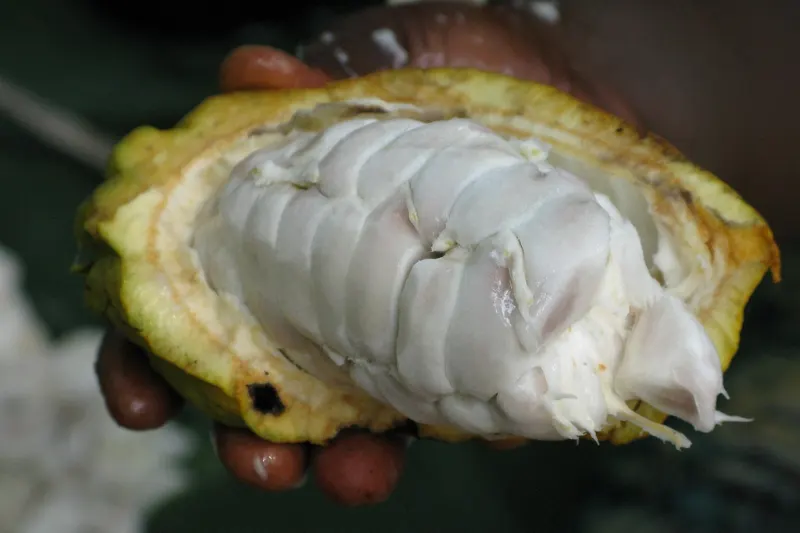
Pods cracked, wet seeds and white mucilage packed into tiered wooden boxes, five to seven days of natural fermentation restructuring the beans chemically. Wooden patios after that, slow drying under actual sun. No shortcuts preserve the result so none get taken by farmers who understand what they’re working with.
Exploring the Source: Eco-Tourism and Chocolate Travel
A cacao tour in person hits differently than reading about the process. Standing in a grove, smelling the fermentation boxes, tasting raw pulp off the pod, that sequence changes how the finished product registers. Context the packaging never carries no matter how carefully the sourcing story gets written.
Tambopata in the southeastern Peruvian Amazon is the region worth prioritizing for this. Wildlife, dense jungle, thriving hub for eco-friendly agriculture all overlapping in the same place. The Tambopata cacao tasting tour runs the full arc, grove walk, raw pod tasting, stone metate grinding, finished chocolate sampled meters from where the beans actually grew. Tasting native cacao in the Amazon rainforest at that proximity is a different experience entirely, flavor carrying physical context that travel builds and nothing else does.
Cacao farm tours send tourism revenue directly into local farming communities. Rainforest protection becomes economically rational rather than a sacrifice, which is honestly the only conservation model that holds long term without constant external pressure.
Ethical Sourcing and Sustainability
Global chocolate industry’s track record on deforestation and labor is documented and not good. Specialty chocolate movement genuinely changing parts of that, slower than ideal but with real momentum now. Sustainable harvesting practices spreading across South American farms, organic compost management, natural pest control replacing chemical inputs that damage the soil over time.
Direct trade cuts out middlemen who historically captured most of the margin between farm and shelf. Farmers getting premium prices for labor that justified those prices all along, the economic logic finally aligned correctly. Purchasing peruvian cacao from transparent ethical brands means that premium actually reaches the people who grew it.
The sourcing decision carries weight beyond flavor. Heirloom trees preserved because economics support preservation, indigenous families supported because trade structure finally allows it to happen consistently.
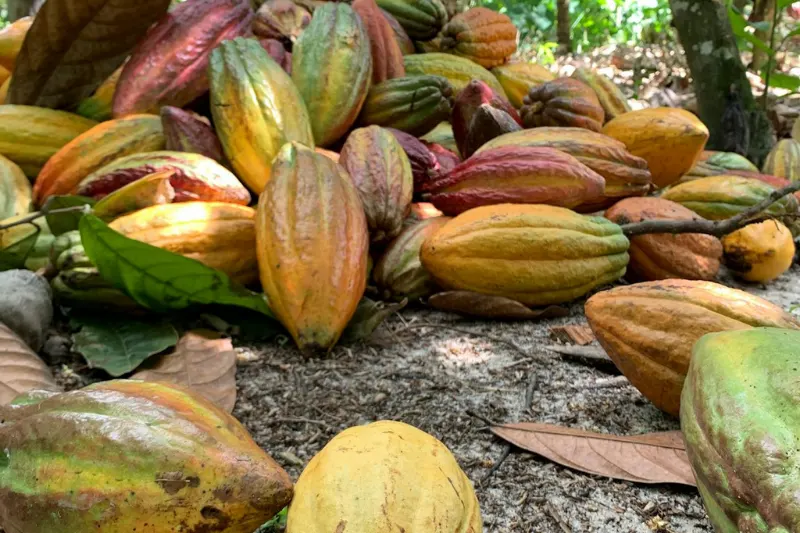
Unlocking Health and Ritual: The Cacao Benefits
Ancient cultures consumed peruvian cacao as plant medicine long before chocolate became a confection sold in foil wrappers. Bitter elixir, ceremonial use, medicinal application across generations. Modern research catching up to what those cultures understood through practice across centuries without needing clinical validation.
Nutritional Powerhouse
Raw nibs sugar-free, one of the highest plant-based magnesium sources available anywhere. Muscle and nerve function, cardiovascular health, blood pressure, serotonin and dopamine levels, cacao benefits documented across all those categories now with solid research behind them. Not a wellness trend with a two-year shelf life, an ingredient with a track record measured in actual centuries of human use.
Cacao benefits accumulate with consistent daily use rather than arriving dramatically after one serving. That slow building is how the ingredient actually works, same patience the fermentation process requires, nothing rushed producing the best outcome.
The Rise of Ceremonial Cacao
Ceremonial grade minimally processed, beans lightly roasted and stone-ground into thick paste keeping all natural cocoa butter and theobromine intact. Wellness communities using it in meditation, yoga, creative sessions, applications expanding as more people encounter it properly prepared. Theobromine runs gentler and longer than caffeine, sustained cardiovascular stimulation without the crash that follows coffee an hour later.
Combining a ceremonial cacao tour with cultural tours through Amazonian communities puts that knowledge in its actual context. Indigenous understanding passed directly from communities that cultivated this plant for generations, no guidebook filter sitting between the knowledge and the person receiving it.
Actionable Tips for Chocolate Enthusiasts
Raw peruvian cacao at home rewards people who get the basics right before starting. A few things that matter more than most sources admit upfront:
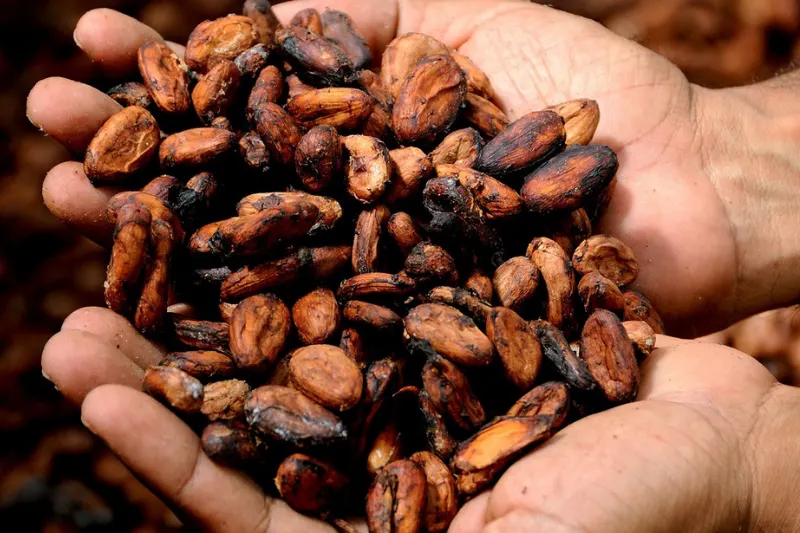
- Mastering the roast: 250°F to 275°F (120°C to 135°C) for raw cacao beans, twenty to thirty minutes. Maillard reaction developing rich notes without burning delicate fats. Temperature control is the whole game.
- Optimal storage: Airtight glass jar or vacuum-sealed bag, cool dark dry pantry, never refrigerator. Condensation from temperature changes causes mold fast, ruins beans that took months to produce properly.
- Daily integration: Nibs into oatmeal, smoothies, yogurt. Ceremonial paste whisked with hot water, cayenne, raw honey. Practical daily use rather than treating it as a special occasion ingredient that never gets opened.
The Takeaway
White beans from Piura, aromatic Chuncho from Cusco, shade-grown farms along Tambopata tributaries. Every piece of ethically sourced peruvian cacao chocolate carrying a story that started in specific soil and ended in someone’s hands after months of careful unglamorous work.
Genetics, post-harvest discipline, direct-trade sourcing, all connecting to something larger than a food purchase. A cacao tour makes that visible in a way reading about it never fully manages, difference between knowing a process and having stood inside it while it was happening.
Single-origin bar from Peru, unwrap it slow, let it melt. That journey actually deserves the attention most people give it about four seconds.

