

You can float down a river to get the best views of Tambopata Mammals. The place is the heartbeat of the Peruvian Amazon, where mammal species rule the dense forest. The Amazonian animals of Peru are among the most colorful. So, if you’re in search of wildlife in Tambopata Peru, you can get close views of many different animals. Some of those fascinating species are discussed in the brief below.
Through the guide of Paradise Yakari, one can not only see big cats but also other interesting mammals of this area. You will have the time of your life on their itineraries, whether you are alone or in the company of your loved ones.
Below are some of the promising species you might encounter on your next trip!

Everybody comes to see a jaguar. However, nothing can prepare you for what it’s like to see these beautiful species in the wild. When it’s around, the guide stops the boat’s engine and points toward it in the shadows of the forest canopy!
You could be thirty meters or three hundred meters away from the cat. You realize that you are not the highest-ranking person in the chain.
A family of giant otters can emerge from the waters. They are very long and as sleek as seals. But twice as mischievous.
Pups play wrestling on leaves while the adults tear into Piranhas. These otters will hunt piranhas and ignore your boat in complete chaos. You’ll be giggling like a kid. Tourists are not as interesting at breakfast.
They lounge around on the sand like they are on vacation. Birds pick ticks across their backs while baby caimans snooze nearby.
The capybaras graze on grass with enlightened faces. They also remind us that there is inner peace as a survival mechanism in a jungle of deadly predators.
Tambopata is a place where night falls quickly. The forest will change completely when you dim your headlamp and walk into the woods.
The ocelots are smaller and bolder than the jaguars, but they still appear as liquid moonlight. Their huge, emerald-colored eyes reflected our light.
As they feast on fruit, the spider monkeys leap off branch to branch, throwing their tails around them like additional limbs. Squirrel Monkeys leave trails of snacks half-eaten and squirrel monkeys come in groups of fifty.
Next, you’ll meet the strange characters you didn’t know you wanted to encounter. Brazilian tapirs saunter past, like drunken elephants mixed with horses.
They leave behind snapped branches and a slight cucumber smell. Sloths are hung upside down, with permanent smiles on their faces and green algae covering them.
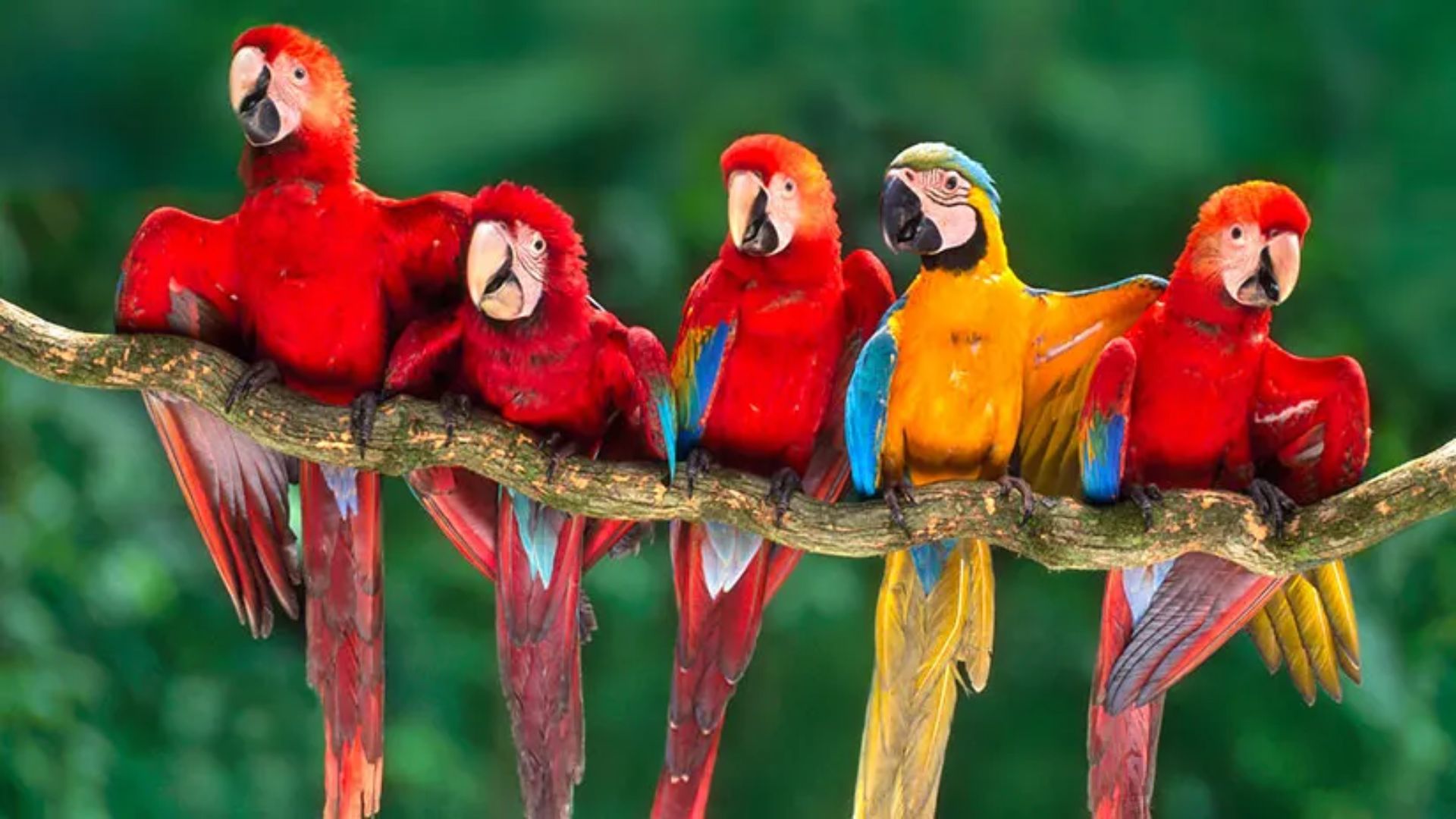
The hundreds of macaws and parrots that make up the background are less significant than the monkeys. The toxins of plant nature are neutralized by the minerals that are abundant in the clay.
Capuchins throw mud at each other in small disputes. Tamarins steal a quick bite when their larger counterparts are not looking. You’ll find yourself glued to binoculars as you watch the loud, chaotic chaos.
The jungle will decide if you deserve certain encounters. The white-lipped, wild peccaries are on the move. Bush dogs, some of the rarest mammals in the world, are occasionally seen trotting the path at daylight, leaving guides stunned.
Tambopata does not run according to your schedule. Tambopata rewards those who are patient, have quiet feet, and keep their eyes open.
Stop dreaming and get planning. Paradise Yakari Lodge is located at the heart of a prime mammal habitat. The limited sizes of the groups and the well-planned itinerary allow you to engage in the jungle easily.
Tambopata is the place that reminds you that humans are observers of the natural world. After you have seen the Amazonian animals of Peru, you understand the true nature of the jungle. Thus, if you’re an enthusiast, you have to visit Paradise Yakari right now and turn these encounters into a memory of a lifetime.
When to see the greatest number of mammals?
All year, you can see the different animals in the dense forests. However, some Tambopata mammals are missing during some months of the year.
What is the probability to see a Jaguar?
The chances of seeing this animal are very rare. Visitors often see new tracks every day and feel their presence constantly.
Are these animals safe?
Suppose you are following experienced guides who know how to respect animals and keep a distance. Animals will not approach you unless your actions are foolish.
What place has the best experience for mammal watching?
Paradise Yakari is distinguished not only by its experience but also by the following benefits it provides to you.
What to pack for Tambopata’s mammal watching?
The following items are essential for watching wildlife in Tambopata, Peru.