

The Amazon rainforest is a vast and varied ecosystem, covering approximately 5.5 million square kilometers. Its reach extends across nine countries: Brazil, Peru, Colombia, Venezuela, Ecuador, Bolivia, Guyana, Suriname, and French Guiana. The sheer size and diversity of habitats—from dense canopies to expansive wetlands—create a mosaic of life. These varied environments support a multitude of species, each adapted to thrive in their specific niche, contributing to the Amazon’s status as a biodiversity hotspot.
The Amazon’s habitat diversity is a driving force behind its incredible mammalian abundance. The rainforest’s upper canopy, understory, and forest floor provide distinct habitats, each supporting different mammal species. The waterways, including the mighty Amazon River, offer unique aquatic environments. This diversity in habitats ensures that mammals, from tree-dwelling monkeys to river-dwelling dolphins, find niches where they can flourish.

The Amazon’s climate and geography play crucial roles in shaping its biodiversity. The region’s equatorial location results in a hot, humid climate with abundant rainfall, fostering lush vegetation growth. The Andes Mountains influence weather patterns, creating microclimates that support diverse ecosystems. These geographic and climatic factors combine to create an environment where mammals have evolved and adapted over millennia, resulting in a rich tapestry of life.
Mammals in the Amazon often act as keystone species and ecosystem engineers. Keystone species, such as jaguars, have a disproportionate impact on their environment, maintaining the structure of ecological communities. Ecosystem engineers, like beavers, modify their habitat, influencing the availability of resources for other species. In the Amazon, mammals like agoutis play a vital role in seed dispersal, while peccaries influence plant composition through their foraging activities.
Mammals are instrumental in seed dispersal, a critical process for forest regeneration. Species such as the capuchin monkey and the Amazonian tapir consume fruits and disperse seeds across vast distances. This activity ensures genetic diversity and the spread of plant species, contributing to the forest’s resilience. Without these mammals, the regeneration of the forest could be severely hampered, affecting the entire ecosystem.
Mammals maintain the balance of the Amazonian food web through their roles as predators and prey. Top predators like jaguars and pumas regulate prey populations, preventing overgrazing and promoting plant diversity. Meanwhile, herbivorous mammals, such as capybaras and deer, control vegetation growth. The intricate predator-prey dynamics ensure a stable ecosystem, where each species contributes to the health and sustainability of the rainforest.
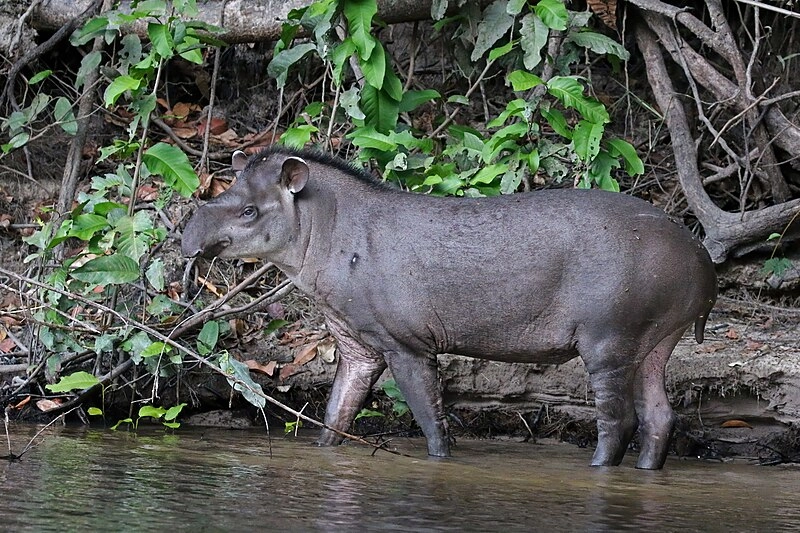
The Amazon is home to some of the most iconic mammal species in the world. The majestic jaguar, for instance, roams the forest floor, a top predator that plays a crucial role in controlling prey populations. Meanwhile, the giant river otter can be found in the Amazon’s winding waterways, showcasing social behavior and teamwork as they hunt for fish. These species not only captivate with their beauty and power but also embody the ecological complexity of the Amazon.
The Amazon river dolphin, or boto, is another fascinating species known for its distinctive pink hue and intelligence. These dolphins navigate the murky waters of the Amazon basin, using echolocation to locate their prey. Their presence is vital for maintaining the health of aquatic ecosystems, and they hold cultural significance for many indigenous communities along the river.
While the jaguar and river dolphin capture much attention, the Amazon is also home to lesser-known, yet equally fascinating mammals. The sloth, with its slow movements and unique algae-covered fur, spends most of its life hanging upside down in the trees. Its slow metabolism and symbiotic relationship with algae exemplify the intricate adaptations of Amazonian mammals.
Then there’s the capybara, the world’s largest rodent, which thrives near water bodies, known for its gentle nature and social lifestyle. Capybaras play a role in shaping their environment, grazing on grasses and aquatic plants, and serving as prey for predators like caimans and jaguars. Their presence in the Amazon highlights the interconnectedness of species within this complex ecosystem.

Amazonian mammals have evolved unique adaptations to survive in their challenging environment. The anteater’s specialized snout and long tongue are perfect for extracting ants and termites from their nests. The nocturnal habits of the kinkajou allow it to exploit food resources under the cover of darkness.
These adaptations showcase the incredible diversity of life strategies in the Amazon, where each species has carved out its niche to thrive in a competitive landscape.
Unfortunately, many mammals in the Amazon are facing threats that could drive them to extinction. Habitat destruction, primarily due to deforestation for agriculture and logging, poses a significant danger. As trees are felled and land is cleared, mammals lose their homes and food sources. The fragmentation of habitats isolates populations, reducing genetic diversity and increasing the risk of extinction.
Poaching and illegal wildlife trade are pressing concerns for Amazonian mammals. The demand for exotic pets and animal products has led to the illegal capture and sale of species like primates and jaguars. Poaching disrupts populations, threatening the survival of species already vulnerable due to habitat loss. Conservation efforts to combat this illegal trade are essential to protect the Amazon’s mammals from exploitation and extinction.
Climate change poses an additional risk to Amazonian mammals. Rising temperatures and altered precipitation patterns can disrupt the delicate balance of the ecosystem. Changes in water levels affect aquatic mammals, while shifts in vegetation impact terrestrial species. As climate change progresses, it is crucial to understand and mitigate its effects on the Amazon’s biodiversity to ensure the survival of its unique mammalian inhabitants.
Conservationists and organizations worldwide are working tirelessly to protect the Amazon’s rich biodiversity. Wildlife conservation efforts focus on preserving habitats, enforcing anti-poaching laws, and engaging local communities in sustainable practices. The Tambopata National Reserve in Peru is one example where conservation initiatives have shown positive results in preserving wildlife. Protected areas and reserves play a vital role in safeguarding critical habitats and promoting biodiversity conservation.
Community involvement is crucial in wildlife conservation. Many indigenous communities have lived in harmony with the Amazon for centuries, possessing invaluable knowledge about the ecosystem. By involving them in conservation efforts, we can develop strategies that protect both wildlife and the livelihoods of the people who depend on the forest.
Empowering local communities through sustainable development initiatives can foster a sense of stewardship and ensure the long-term success of conservation programs.
Innovative technologies are enhancing conservation efforts in the Amazon. Camera traps and drones provide valuable data on animal populations and behavior, while satellite imagery helps monitor deforestation and habitat changes.
These technologies enable scientists and conservationists to make informed decisions and adapt strategies to changing conditions. By leveraging technology, we can improve our understanding of the Amazon’s ecosystems and develop more effective conservation solutions.

Despite efforts to conserve the Amazon’s mammals, challenges remain. Illegal logging, mining, and agricultural expansion continue to threaten habitats. These activities not only destroy critical habitats but also introduce pollutants and disrupt natural processes.
Climate change poses an additional risk, altering the delicate balance of the ecosystem. It is crucial to address these issues to ensure the survival of Amazonian mammals, as their future depends on our ability to mitigate these threats.
There is hope for the future of the Amazon and its mammals. Awareness and advocacy are increasing, with more people recognizing the importance of preserving this unique ecosystem. International cooperation and funding are supporting conservation initiatives, while educational programs raise awareness about the value of the Amazon’s biodiversity. By supporting conservation efforts and promoting sustainable practices, we can work towards a future where the Amazon and its incredible diversity of life continue to thrive.
Collaborative conservation strategies are essential for the long-term survival of Amazonian mammals. Governments, NGOs, scientists, and local communities must work together to implement effective conservation policies. By sharing knowledge, resources, and expertise, we can develop comprehensive plans that address the complex challenges facing Amazon.
Collaborative efforts can lead to innovative solutions that balance conservation with sustainable development, ensuring a future where both people and wildlife coexist harmoniously.
The Amazon rainforest is a treasure trove of biodiversity, with mammals playing a vital role in its ecosystem. From the iconic jaguar to the lesser-known capybara, these species contribute to the balance and health of the forest. However, they face significant threats that require our attention and action.
Through conservation efforts, community involvement, and research, we can protect the Amazon’s mammals and ensure their survival for future generations. By valuing the rich diversity of life in the Amazon, we contribute to the preservation of one of Earth’s most extraordinary natural wonders. The responsibility to protect this vital ecosystem lies with all of us, and our actions today will determine the future of the Amazon and its incredible wildlife.