

Ever wondered what you’d feel like walking through a forest so alive that you yourself start feeling a fresh breath of air and renewal? That’s exactly what the famous Tambopata Rainforest has to offer. You’ll get to see the most breathtaking view with nature in its full bloom, waiting to whisper the best-kept secrets to you. And, in case you’re curious about trees in particular, learning Plant Species of Tambopata will make you even more interested. This is because the famous plant species found in this rainforest form a part of the huge Amazon basin, which is also home to many other varieties. Trust us, you’ll be wanting more by the end of your trip. Now, let’s get started so that you can know all about the beautiful plant species of this place.

While there are a lot of other rainforests in the world, what truly makes the flora of Tambopata National Reserve unique is the fact that they’re very ancient. If you’ve ever researched about this place, you must be aware that many scientists believe that each and every hectare of Tambopata provides a home to hundreds of different plants. The interesting part is that many of them have still not been studied or researched. But how can a single forest hold so much diversity? Well, it’s because this place receives year-round rainfall and also has fertile soils.
Once you’ve stepped your foot into the Tambopata Rainforest, the first thing that you’ll realize is that the plants aren’t just the backdrop but make the entire architecture of this place. Tambopata is actually just a big ecosystem that’s comprised of different kinds of species. From small shrubs to big trees, this place has almost every plant variety one can imagine. For you to truly appreciate the real beauty of this place, let’s take a closer look.
We’ve all watched Hollywood movies where we’ve seen the Amazon forest being covered with natural skyscrapers, and it’s not entirely fiction. You’ll easily spot some of the giant varieties of trees in this forest; here are some of them:
You must’ve heard of stories wherein people depend on herbs and local plants for medicinal purposes. Well, the Amazon has been one such forest that has been used for health purposes by many tribes. Let’s see some of the famous medicinal plants of this ancient forest:
A few notable medicinal plants include
Uña de Gato: It’s immune-boosting and anti-inflammatory.
Sangre de Grado: Can be used for treating wounds and stomach issues.
Ayahuasca: Used in spiritual ceremonies, and while the experience isn’t for everyone, its cultural and medicinal significance is immense.
Palms have been known worldwide for their varied benefits, and here in the Amazon Basin, they’re used by animals and local communities for food, shelter, materials, and even for cultural significance. In case you’re curious about the variety of palm found here, we’ve mentioned a few below:
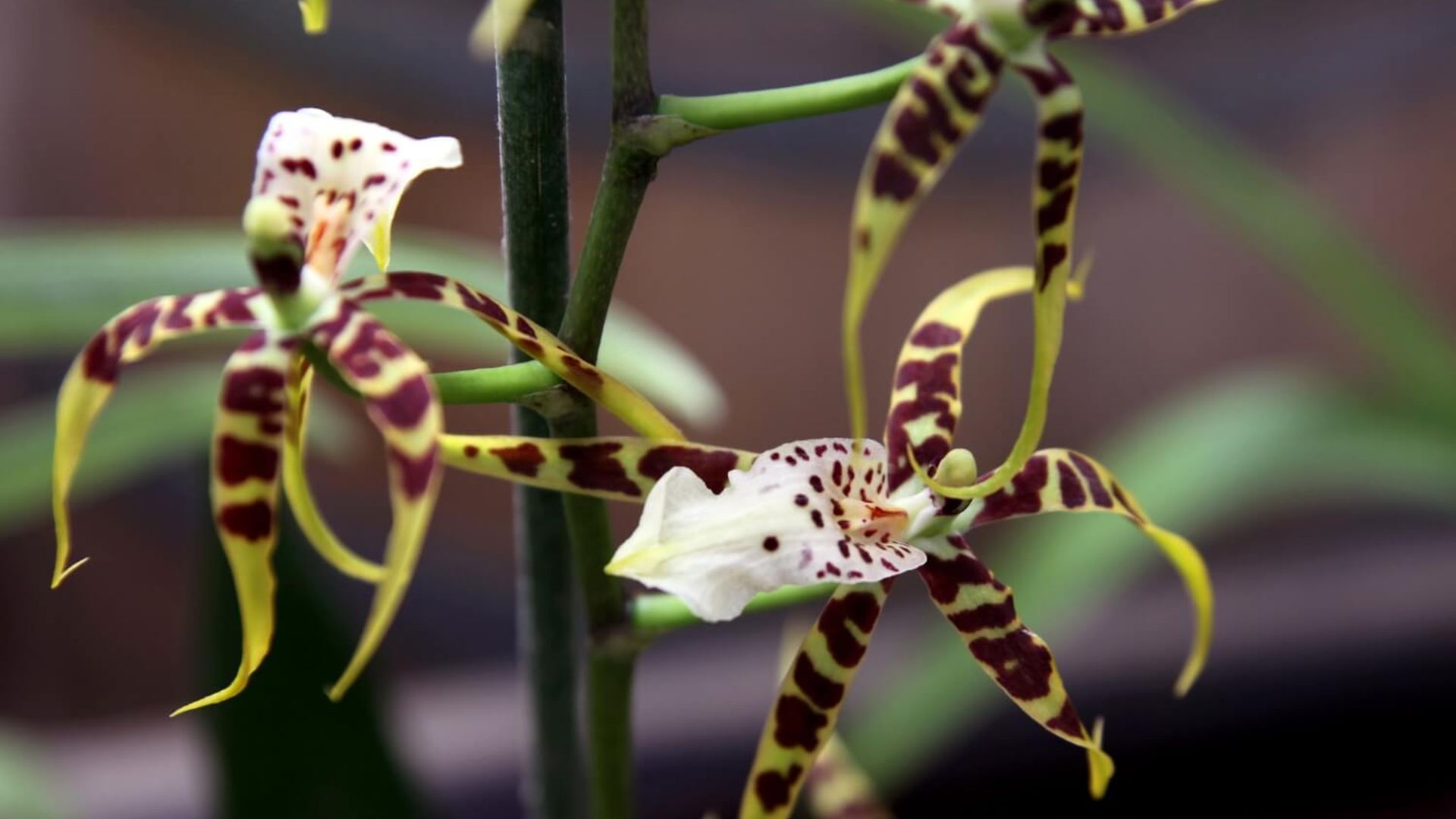
Here’s the best feature of Plant Species of Tambopata. You’ll find that a lot of species have become habitual of taking shelter on other plants. These are called epiphytes, and they rely on moisture from the rain for their survival. Here are some common examples:
You’ll notice that there are certain varieties here that maintain the biodiversity below the thick canopies. Some of them include:
The sheer number of varieties that Tambopata National Reserve holds is truly unique and diverse. Yes, there might be other forests that are diverse, but this one is known for its unique and beneficial species. And so it doesn’t matter if you’re just going for a casual tour or trying to gain a better understanding of this place; if you’re exploring this place with a reliable tour company like Paradise Yakari, you’ll never return disappointed. So, why the wait? Book your next tour with us today.