An amazon zip line is not a theme park ride dropped into the jungle for tourists who want a quick photo. Serious operators in this space know that and run things completely differently from the ones just chasing bookings. The amazon rainforest works vertically, not horizontally, and getting into the canopy without wrecking what makes it worth visiting takes real planning. That tension between access and damage is what drives every decision worth making in this sector.
Speed and drama are not where development is heading. The real work is figuring out how amazon zip line infrastructure fits into conservation outcomes that hold up under scrutiny rather than just sounding good in a brochure. Visitors rarely see that difference on the day. The forest shows it over years.
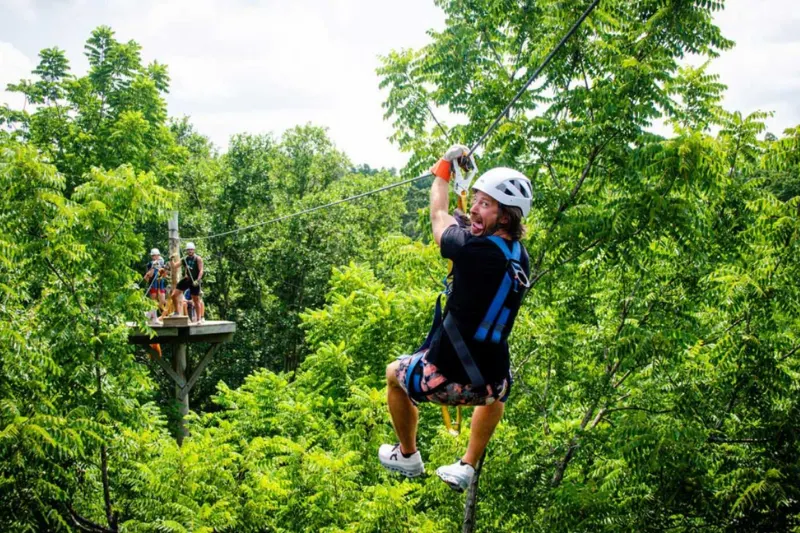
Why Zip Lines Belong in the Canopy
Ground level in the jungle tells maybe ten percent of the story. The rest happens above. Amazon wildlife concentrates in the mid to upper canopy where light, humidity, and temperature behave nothing like the forest floor. Birds, primates, insects, fruiting events, and flowering cycles all stack up there in layers that ground-based walks never reach. Getting into that zone without cranes or serious climbing gear used to mean you were a researcher with a very specific skill set.
A well-placed amazon zip line changes that for regular visitors. It opens a brief repeatable traverse through canopy strata that would otherwise stay invisible to most people passing through. That access is why canopy infrastructure became a core piece of eco-tourism activities across the Peruvian Amazon in the first place. In Tambopata specifically, ziplining in Tambopata rarely stands alone as the main event. It connects into river travel, clay lick visits, night walks, and guided sessions into something that spreads impact rather than concentrating it on one spot.
Design Priorities: Ecology First, Thrills Second
The environmental damage from an amazon zip line almost never comes from the ride itself. Trail cutting, vegetation clearing for corridors, anchor installation, and the steady human traffic that follows add up quietly over time. Operators who actually understand the forest they are working in treat the line as a minimal-intervention corridor. Everyone else treats it as a construction project with a cable at the end.
What minimal intervention looks like on the ground:
- Non-invasive anchoring: Platforms and supports built around mature trees rather than through them
- Shorter modular segments: Routes that bend around sensitive habitat instead of cutting straight lines through it
- Hard capacity limits: Group sizes and timing controlled to reduce noise and disturbance near nesting zones and fruiting trees
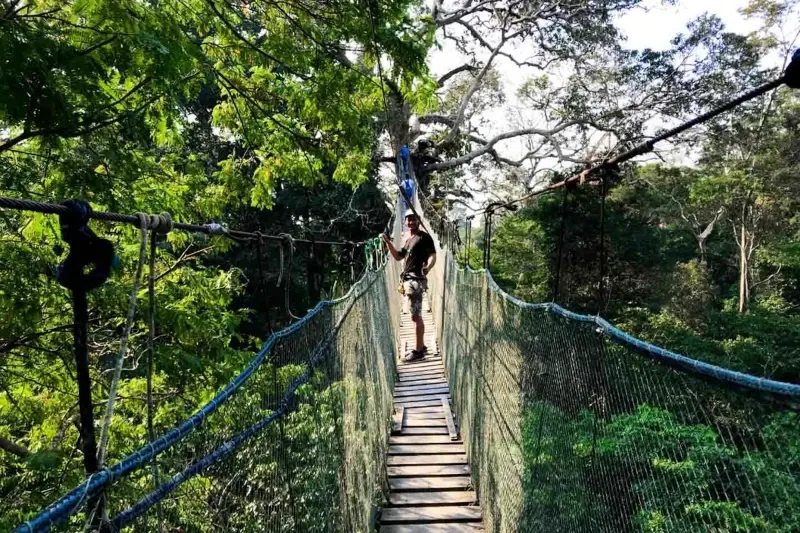
The Tour Paradise Canopy Walkway & Zip Line Canopy model shows how combining elevated walkways with zip infrastructure can reduce ground-level disturbance significantly while giving visitors genuine canopy immersion. That integrated approach is where the smarter operators are landing.
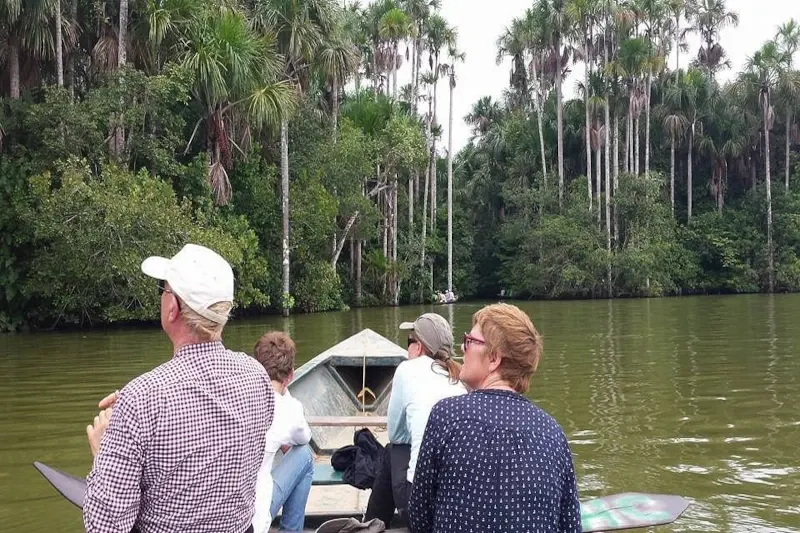
Safety and Professionalization in Remote Forest Settings
Running a zip line tour deep in the Peruvian Amazon means working far from hospitals and emergency response in most cases. Equipment failure in a remote jungle setting carries consequences that a zip line twenty minutes from a city simply does not. That reality pushes the operational standard higher whether operators want it to or not.
Internationally standardized gear is becoming the baseline, not the premium. Redundant cable systems, certified harnesses, and predictable braking setups are showing up in serious operations across the region. Staff training now includes evacuation drills and hard stop-work thresholds around lightning, storms, and wind. Those weather rules are getting stricter as climate variability across the region keeps increasing.
The amazon zip line of the near future will be quieter and more procedural than what exists today. That is what happens when an outdoor adventure product matures in a high-stakes environment and the people running it decide the forest actually matters.
What Comes Next: From Entertainment to Interpretation
A longer drop or faster cable is not the growth opportunity here. Interpretive depth is. Visitors who finish a zip line tour knowing something real about canopy ecology, amazon rainforest plants, seed dispersal, or Indigenous land stewardship leave with something that lasts past the adrenaline. That kind of experience supports higher prices, longer trips, and real conservation financing in the Peruvian Amazon. It also gives operators something to sell that competitors running pure thrill rides cannot easily copy.
More tours are building short evidence-based natural history moments into platform stops. Not lectures. Just enough context to make what someone flew through actually mean something before the next cable starts. Anyone who decides to try canopy walk in Tambopata alongside the zip experience gets that layered perspective naturally. Walking at canopy level before flying through it on a line produces a completely different understanding of what the amazon rainforest plants and wildlife up there are actually doing.
When that interpretive shift takes hold across the sector, the amazon zip line stops being a fun add-on and starts functioning as a genuine learning platform inside a broader system of eco-tourism activities. The outdoor adventure market keeps growing regardless. The question is whether the infrastructure built to serve it leaves the forest better or worse. The operators getting that answer right are the ones worth finding before booking anything.
Q&A
Where is a classic amazon zip line experience found?
The Peruvian Amazon, particularly around Tambopata, is where lodge-based canopy operations are most developed. Ziplining in Tambopata typically connects into guided rainforest interpretation, river excursions, and amazon wildlife viewing rather than standing alone as a single attraction. That integrated structure is what separates genuine eco-tourism activities from a zip line with a jungle backdrop.
Is a zip line tour compatible with eco-tourism activities?
It can be, but that word compatible carries real weight. A zip line tour earns the label when corridor clearing stays minimal, group sizes stay controlled, guides carry actual ecological knowledge about amazon rainforest plants and canopy fauna, and certified gear with site-specific wildlife protections runs through the daily schedule. When those conditions exist, the zip line fits. When they do not, it is just a zip line. The forest shows the difference long before the operator does.

