Picture a sheer riverbank in the Amazon suddenly exploding into a kaleidoscope of brilliant red, green, and blue feathers. This massive gathering isn’t just a morning social hour—it’s the perfect introduction to what is a clay lick, a natural phenomenon driven by survival instinct.
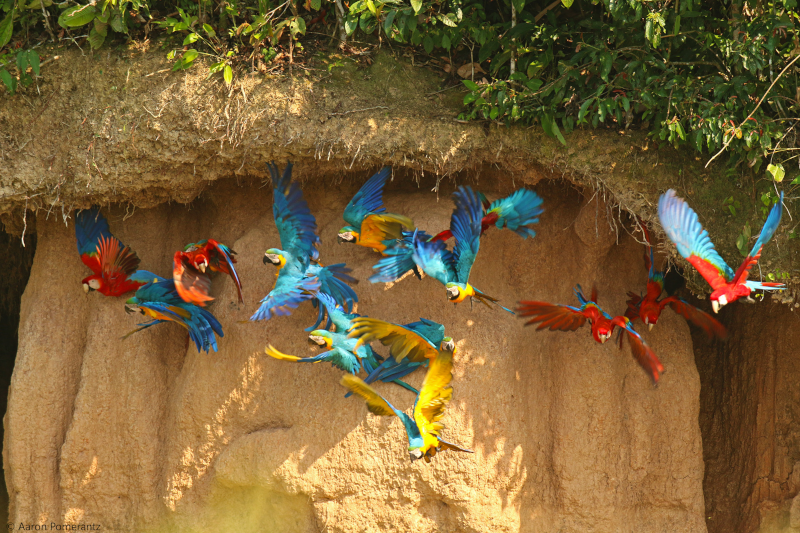
Exactly what is a clay lick? Often called a collpa by locals, these exposed banks of earth function as nature’s bustling pharmacy. According to decades of observational proof, wild animals visit these mineral-rich walls to actively self-medicate after consuming toxic, unripe seeds.
This is what is termed by scientists as geophagy; or dirt-eating. Children are advised not to eat mud but as one sees with geophagy among tropical birds, a brilliant idea adapts it as a way of safely eliminating poisons in their diets.
The Great Detox: Why Rainforest Birds Eat Dirt to Survive Toxic Diets
Surviving the rainforest often means eating meals before anyone else gets to them. To most of the macaws this equates to eating unripe seeds filled with natural defense chemicals.
These plant barriers contain bitter plants and substances such as alkaloids and tannins that can easily make a bird poisonous. In order to survive, parrots eat dirt, which serves as a natural binding substance–natural sponge made of biological elements. Neutralizing plant toxins through geophagy follows a precise internal process:
- The bird swallows a beakful of clay immediately following a toxic meal.
- Microscopic clay particles physically attach to the dangerous plant chemicals inside the stomach.
- This harmless, bound package passes safely through the bird’s digestive tract without absorbing into the bloodstream.
The avian health benefits of mineral-rich soil extend far beyond this daily stomach remedy. Managing a risky diet is just one aspect of this behavior, pointing toward a much larger nutritional need that drives flocks to the riverbanks. This leads directly to the search for salt and how clay licks solve the rainforest’s hidden mineral crisis.
The Search for Salt: How Clay Licks Solve the Rainforest’s Hidden Mineral Crisis
The massive rain that takes place in the Amazon basin is similar to a giant washing machine. The result of this continuous rainfall is that nutrition is washed away during the procedure of leaching, in which the nutrients are washed entirely away by the topsoil. Because the ground is drained, local plants are naturally starved of salt. This creates a severe sodium deficiency in rainforest animals who rely entirely on these greens to survive.
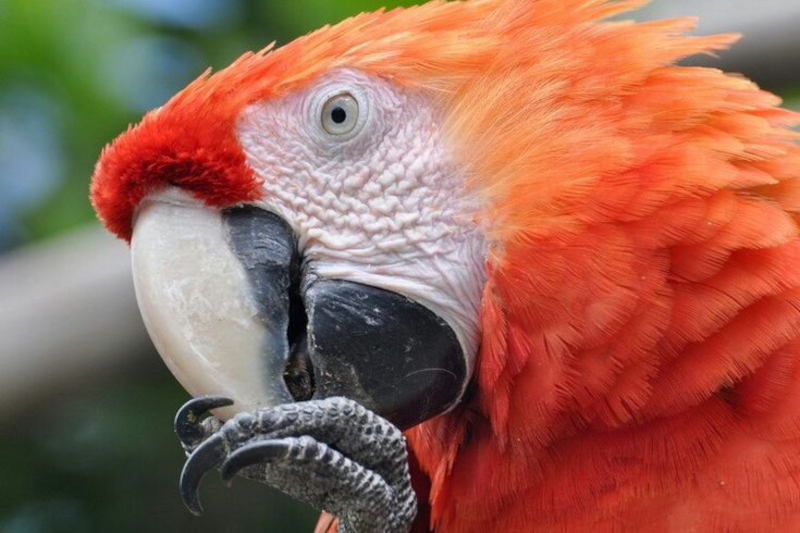
Living without enough electrolytes is dangerous. Just like athletes cramping after a long run, wild birds and mammals experience profound weakness and poor breeding success when deprived of these essential building blocks. To combat this daily crisis, creatures instinctively turn to geophagy for dietary supplementation, seeking out exposed earth to find exactly what their regular meals lack.
These colorful mud walls provide a natural pharmacy of the most vivid colors. The Amazonian clay always contains intense and ancient reservoirs of sodium, calcium and magnesium. This grit conducts a classy chemical exchange in the stomach. The earth exchange places an exchange of ions with the toxic plant, but it serves as a microscopic magnet, taking the mineral ions of healthy living in exchange of the plant toxins that are bitter.
This remarkable nutrient trade makes eating dirt an absolute biological necessity. Not all mud puddles offer this life-saving combination of salty rewards, however. Finding these geological time capsules requires understanding the landscape, forcing animals to navigate riverbanks versus forest floors when identifying the different kinds of natural mineral deposits.
Riverbanks vs. Forest Floors: Identifying the Different Kinds of Natural Mineral Deposits
Rushing water serves as the primary architect of natural salt licks. The rivers as they cut along the Amazon cause the banks to erode away, leaving behind soil that is old and forms the earth of the mineral-rich. These sheer vertical walls as the well-known Tambopata clay licks are converted into high-altitude pharmacies, which are well adapted to winged guests and nimble climbers.
There is another scene, which takes place in the jungle, deep down inside. The terrestrial licks, concealed and murky shallow or deep holes in the dirt, are used by ground-dwelling animals. These low points are favored by giant herbivores as the dense brush provides essential protection, which enables them to safely consume the life saving grit without being on the exposed and sunny banks of the river.
This physical divide between riverbank clay vs forest floor licks dictates exactly who shows up for their daily dietary supplement:
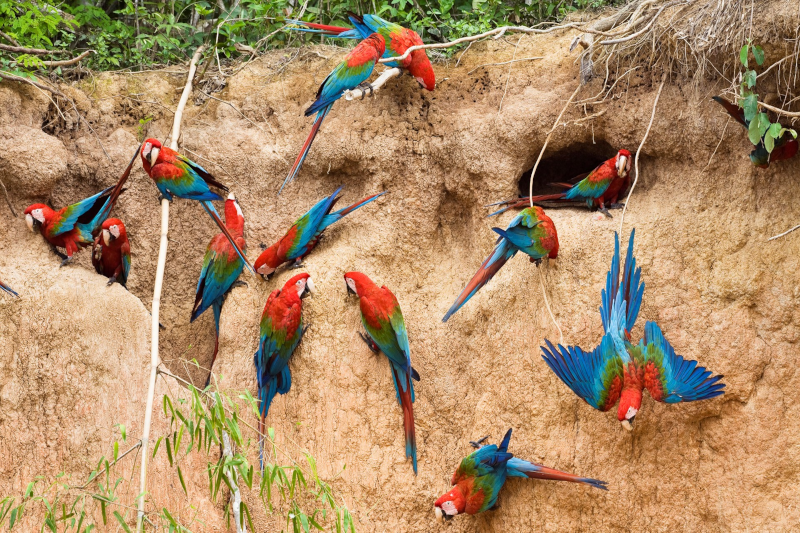
- Forest Floors: Heavyset tapirs, rooting herds of peccaries, and stealthy deer churning up ground-level mud puddles.
Since so many various creatures have to visit these deposits to live, the areas soon transform into more than a mere place to eat to such an extent that the end result is the ultimate town square of the rainforest.
The Rainforest’s Town Square: Why Salt Licks Are Biodiversity Goldmines
Think of a large outdoor market and all the people of the neighborhood are there at the same moment. This common need to eat leads to tropical salt licks being actual hotspots in biodiversity. Instead of isolated dining spots, they become cross-species town squares where normally elusive animals cross paths. In the best times to view the birds the sheer colorful clay walls known as collpas by the locals and dozens of parrot species are peacefully coexisting with canopy dwelling monkeys.
Meeting in huge groups is not only a matter of socialization, but an ingenious solution to the high predator-prey competition. The jaguars, the eagles are perfectly aware of where these natural drugs are found, and an apparently harmless bite of clay would turn into a lottery of death. To survive, macaws utilize clever sentry behavior. Hundreds of birds wait in the surrounding trees, nervously building a critical mass. Only when designated scouts finally give the all-clear does the entire flock make its synchronized, kaleidoscopic descent.
This delicate balance of danger and nutrition perfectly highlights the profound ecological importance of mineral deposits. They literally dictate the daily rhythms of the jungle. Knowing the hidden stakes behind this chaotic spectacle makes experiencing it firsthand unforgettable, setting the perfect stage for planning a jungle expedition.
Witnessing the Spectacle: Best Locations and Tips for Your First Clay Lick Visit
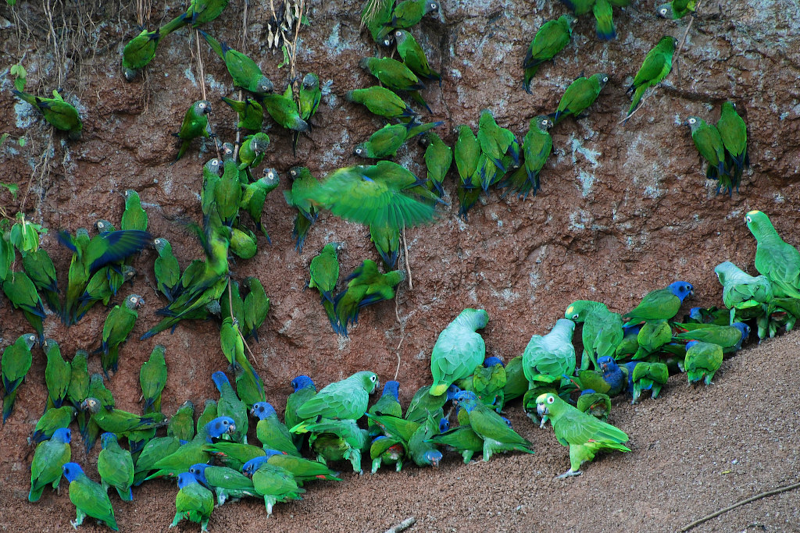
Observing this massive gathering firsthand offers a unique window into rainforest ecology. To witness this spectacle ethically, head to premier Amazon macaw salt lick locations like Tambopata, Peru. Ensure a successful expedition by following this responsible traveler checklist:
- Season: Birdwatching is at the least possible in the dry season i.e. between August and October.
- Timing: Be there before dawn in order to maximize the guesses of wildlife during the golden hour.
- Equipment: Bring long-telephoto lenses so that you can watch the indigenous behavior without alarming the flocks.
Visitors save these delicate ecological pharmacies by keeping appropriate distance and attending to the environment. Instead of merely observing a filthy riverbank, you will observe the most vibrant and life-giving refuge of nature.